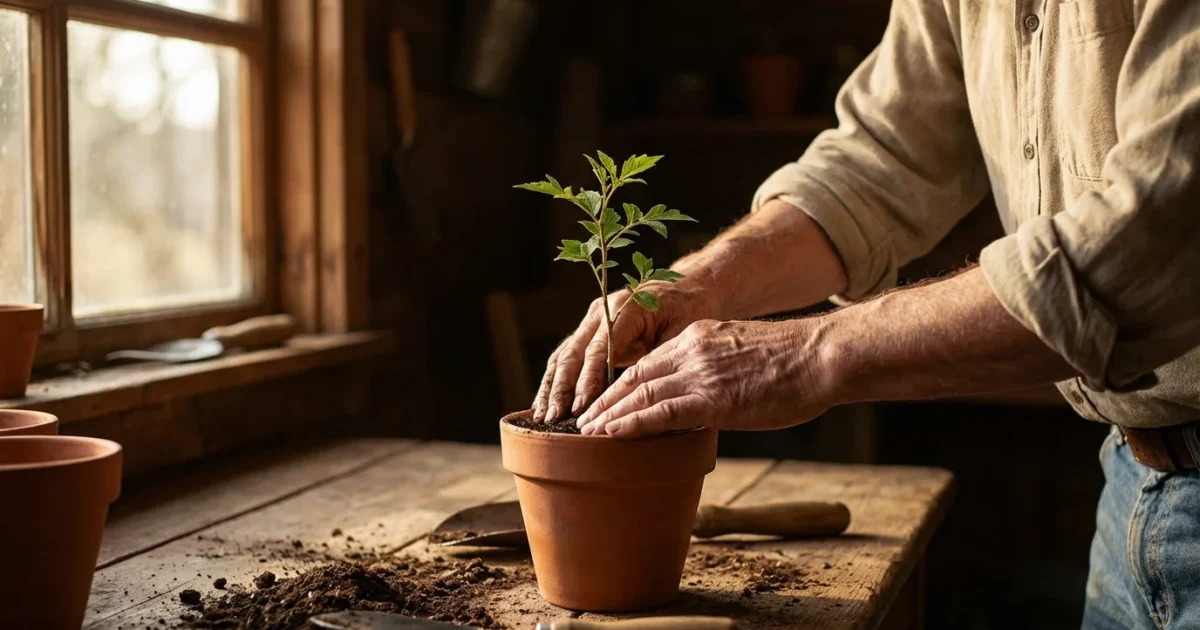
Retirement unfolds as a majestic new chapter, an exquisite invitation to redefine your existence. This period represents more than a cessation of work; it heralds a profound opportunity to reinvent yourself, to sculpt a life rich with meaning, purpose, and graceful expansion. You stand at the threshold of personal renaissance, equipped with a lifetime of experience and the precious gift of time.
Reinventing yourself can also include refreshing your personal image by dressing with confidence to reflect your new path.
Consider these years not as an ending, but as a vibrant commencement. You possess the wisdom to discern your true desires and the freedom to pursue them. The path to retirement reinvention invites you to explore dormant passions, cultivate deeper connections, and embrace intellectual and spiritual growth with unwavering enthusiasm.

The Call to Reinvention: Why Retirement Sparks New Beginnings
Retirement marks a pivotal life transition, a moment when the familiar rhythm of career obligations yields to a vast expanse of personal choice. This shift often prompts a natural reevaluation of identity. You no longer define yourself primarily by your professional role, creating space for a more authentic, self-directed sense of self to emerge.
For many, this renewal involves simplifying their environment and navigating downsizing dilemmas to create more space for their emerging passions.
Many individuals experience this period as an awakening, a compelling urge to start over and explore paths previously unimaginable. The freedom from daily work schedules liberates energy and time, allowing you to answer the quiet callings of your heart and mind. This freedom fuels the possibility for profound retirement reinvention.
You have accumulated a wealth of knowledge, experience, and resilience throughout your life. These invaluable assets form the bedrock for your new endeavors, providing a unique foundation that younger individuals simply do not possess. Embrace this rich personal history as you step confidently into your next act.
Reflect on your journey thus far. What dormant dreams now stir within you? What talents have you suppressed in favor of professional demands? This period invites you to reclaim and redefine these aspects of your being, fostering a vibrant self-discovery process.

Defining Your New North Star: Discovering Purpose and Passion
A compelling sense of purpose acts as the compass for your retirement reinvention. Without a guiding direction, even abundant free time can feel unfulfilling. Identifying what truly energizes and excites you provides the crucial motivation to forge a new, meaningful path.
As you explore these new directions, cultivating gratitude can help you stay grounded and appreciative of each small victory.
To better visualize this future, you might consider crafting a retirement vision board to clarify your long-term objectives.
Begin by delving into self-reflection. What values do you hold most dear? What issues stir your compassion? What activities completely absorb you, making time seem to vanish? Answering these questions illuminates your intrinsic motivations and passions.
Consider how you wish to spend your precious remaining years. Do you aspire to create, to learn, to connect, or to contribute? Your “new north star” might involve a single overarching goal or a collection of intertwined interests. It is a deeply personal discovery.
- Reflect on past joys: What hobbies or interests did you abandon due to lack of time?
- Journal your thoughts: Write freely about your ideal day, your deepest aspirations, and what brings you joy.
- Explore new interests: Attend introductory classes, lectures, or workshops in fields that pique your curiosity.
- Connect with your community: Talk to people who live purpose-driven lives in retirement. What inspires them?
Research from the Stanford Center on Longevity consistently highlights the importance of purpose for well-being in later life. Individuals who report a strong sense of purpose often exhibit greater resilience, better physical health, and increased longevity. Cultivating your purpose becomes a powerful investment in your future.

Mastering New Horizons: What New Skills to Learn
Embracing the challenge of learning new skills offers one of the most dynamic pathways to reinvent yourself in retirement. This commitment not only enriches your daily life but also keeps your mind sharp and engaged, fostering remarkable cognitive benefits. What new skills to learn becomes a vibrant question with endless possibilities.
Think broadly about skill acquisition. It does not solely mean formal education. You might pursue artistic talents, technological literacy, practical craftsmanship, or even a new language. Each new skill learned expands your world, introduces you to new communities, and enhances your overall sense of accomplishment.
Many retirees discover a profound satisfaction in returning to hobbies they loved in youth or finally exploring subjects that always fascinated them. The journey of learning itself, not just the destination, provides immense gratification. It is a testament to your enduring capacity for growth and adaptation.
- Creative Arts: Painting, pottery, creative writing, playing a musical instrument, photography.
- Technological Proficiency: Advanced computer skills, coding basics, video editing, social media management for a cause.
- Practical Skills: Woodworking, gardening, gourmet cooking, home repair, basic automotive maintenance.
- Intellectual Pursuits: Learning a new language, studying history, astronomy, philosophy, taking online university courses.
- Wellness-Oriented Skills: Yoga instruction, mindfulness meditation, becoming a certified personal trainer, nutrition coaching.
The act of learning keeps your brain active, forming new neural pathways and improving memory. It promotes a growth mindset, confirming that your capacity for development remains boundless, regardless of age. You actively participate in shaping a vibrant, engaging future.

Cultivating Richer Connections: Nurturing Your Relationships
Human connection forms an essential pillar of a fulfilling retirement. As you reinvent yourself, consciously invest in nurturing existing relationships and forging new ones. Strong social bonds contribute significantly to happiness, resilience, and overall longevity.
Retirement often frees up time to deepen ties with family, friends, and partners, bonds that may have suffered neglect during busy working years. Prioritize shared experiences, heartfelt conversations, and mutual support. These connections provide a vital sense of belonging and love.
Actively seek out opportunities to meet new people who share your emerging interests. Joining clubs, community groups, volunteer organizations, or educational programs naturally introduces you to kindred spirits. These fresh connections bring new perspectives and expand your social universe.
- Regular family gatherings: Plan consistent visits, virtual calls, or activities with children and grandchildren.
- Reconnect with old friends: Reach out to colleagues, classmates, or distant friends you have lost touch with.
- Join interest-based groups: Find book clubs, hiking groups, art classes, or volunteer organizations that align with your passions.
- Become a mentor: Share your wisdom and experience with younger generations, forming mutually beneficial relationships.
- Host social events: Organize potlucks, game nights, or informal gatherings to build community.
Meaningful social engagement combats feelings of isolation and loneliness, issues that can sometimes arise during retirement. By actively cultivating a rich social life, you enhance your emotional well-being and build a robust support network. These connections truly define the richness of your golden years.

Embracing Lifelong Learning: Intellectual Growth in Retirement
The pursuit of intellectual growth extends far beyond acquiring specific skills; it signifies a commitment to perpetual curiosity and mental agility. Retirement offers an unparalleled opportunity to become a dedicated lifelong learner, exploring subjects that stimulate your mind and broaden your perspective.
Engaging in continuous learning keeps your brain active and adaptable, contributing significantly to cognitive health. Whether you delve into history, science, literature, or current events, the act of acquiring new knowledge invigorates your intellect and enriches your understanding of the world.
You can pursue intellectual growth through various avenues, from formal courses to independent study. Online platforms offer a wealth of university-level instruction, often for free or at reduced rates. Community colleges, local libraries, and senior centers also host lectures, workshops, and discussion groups designed to inspire and inform.
- Enroll in online courses: Platforms like Coursera, edX, or even university extensions offer diverse subjects.
- Join a book club: Engage in stimulating discussions and explore new authors and genres.
- Attend lectures and workshops: Many museums, universities, and community centers host public educational events.
- Learn a new language: Immerse yourself in a different culture and challenge your cognitive abilities.
- Explore documentaries and educational podcasts: Discover new fields of knowledge from the comfort of your home.
Lifelong learning is not about achieving another degree; it is about embracing the pure joy of discovery and remaining open to new ideas. It empowers you to grow in retirement, sustaining a vibrant intellectual life that nourishes your spirit and keeps you engaged with the world.

Wellness as Your Foundation: Mind, Body, and Spirit
A successful retirement reinvention fundamentally relies on a strong foundation of holistic wellness. Nurturing your mind, body, and spirit ensures you possess the vitality and clarity needed to pursue your new passions and enjoy this precious chapter fully. Prioritizing your health empowers your entire journey.
To maintain the energy required for this journey, consider adopting the habits of highly effective agers to support long-term vitality.
Physical well-being directly impacts your energy levels, mood, and ability to engage in activities you love. Incorporate regular exercise that suits your capabilities, whether it is daily walks, swimming, yoga, or strength training. A balanced diet rich in whole foods fuels your body and supports cognitive function.
Mental and emotional wellness are equally crucial. Practice mindfulness, meditation, or spend time in nature to reduce stress and cultivate inner peace. Seek out activities that bring you joy and intellectual stimulation, fostering a positive outlook. Maintaining strong social connections also significantly boosts emotional health.
Spiritual wellness, however you define it, provides a sense of connection to something larger than yourself. This might involve religious practice, time for quiet contemplation, engaging with nature, or contributing to causes you believe in. It adds a profound dimension of meaning to your life.
- Consistent physical activity: Aim for a mix of aerobic, strength, flexibility, and balance exercises.
- Nutrient-rich diet: Focus on whole foods, lean proteins, fruits, vegetables, and healthy fats.
- Adequate sleep: Prioritize 7-9 hours of quality sleep each night to support physical and mental restoration.
- Stress management: Practice meditation, deep breathing exercises, or engaging hobbies to reduce stress.
- Regular health screenings: Stay proactive with preventative care and consult with your healthcare providers.
“Age is an issue of mind over matter. If you don’t mind, it doesn’t matter.” — Mark Twain
Your well-being is not a static state; it requires continuous attention and adaptation. By consciously investing in your mind, body, and spirit, you create the robust framework necessary to thrive and gracefully navigate every aspect of your retirement reinvention. This proactive approach ensures you remain vibrant and capable.

Giving Back: Finding Meaning Through Contribution
Many individuals discover their deepest purpose in retirement by finding ways to give back to their communities and make a tangible difference. Contributing your time, skills, and wisdom to others creates profound meaning and enriches both your life and the lives of those you serve. This act of generosity fuels personal growth.
Volunteering offers an expansive array of opportunities to contribute. You might mentor younger professionals, assist at local schools or hospitals, support environmental initiatives, or engage with advocacy groups. Your years of experience provide invaluable assets that organizations eagerly welcome.
The act of giving back often combats feelings of isolation and provides new social connections. You become part of a team working towards a common goal, fostering a sense of camaraderie and shared purpose. This engagement can lead to a deeper integration within your community and a stronger sense of belonging.
Encore.org, for instance, champions the idea of an “encore career,” where seasoned individuals apply their skills and experience to address social challenges. Their Purpose Prize celebrates those who find innovative ways to contribute in later life, showcasing remarkable stories of impact. These examples demonstrate the immense potential within you.
- Mentoring: Share your professional knowledge with someone starting their career or a small business owner.
- Community service: Volunteer at a local food bank, animal shelter, or senior center.
- Advocacy: Join or support organizations dedicated to causes you believe in.
- Teaching or tutoring: Help students with subjects you excel in or offer adult education classes.
- Environmental efforts: Participate in park clean-ups, conservation projects, or community gardening initiatives.
The satisfaction derived from helping others, seeing your efforts bear fruit, and knowing you make a positive impact is unparalleled. Giving back transforms your retirement into a period of significant societal contribution and personal fulfillment. It provides a powerful answer to how can I grow in retirement, extending your legacy beyond personal achievements.
Overcoming Obstacles: Navigating the Reinvention Journey
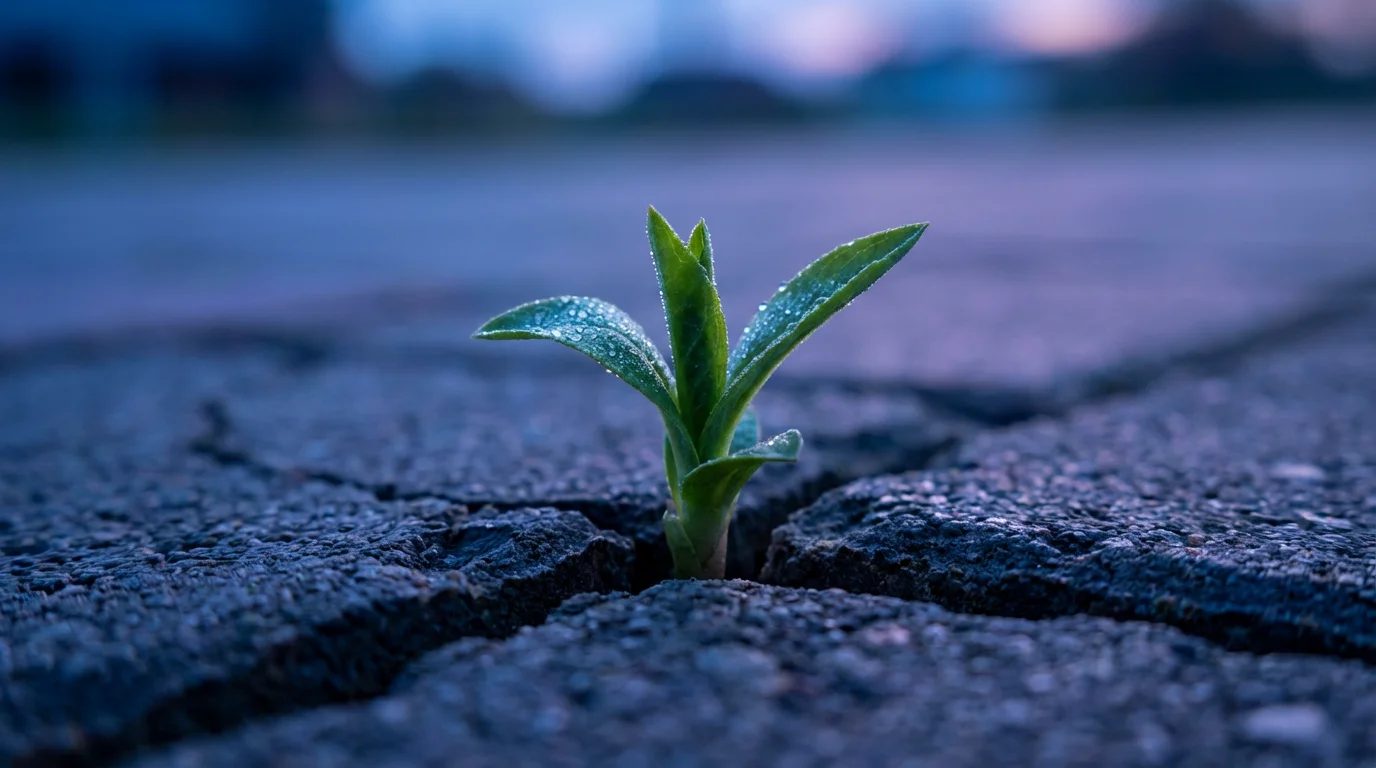
The journey of retirement reinvention, while exhilarating, sometimes presents its own set of challenges. Recognizing and preparing for these potential hurdles empowers you to navigate them with grace and resilience. You possess the inner strength to overcome any impediment.
Addressing practical concerns, such as managing financial anxiety, ensures that worries don’t hinder your creative exploration.
One common obstacle involves the fear of the unknown or inertia. After decades of a structured routine, the vastness of free time can feel overwhelming, leading to procrastination or a reluctance to step outside your comfort zone. Break down your reinvention goals into small, manageable steps to make the process less daunting.
Financial concerns also weigh on some retirees, limiting perceived options. Smart financial planning and exploring cost-effective ways to pursue new interests can alleviate these worries. Remember, reinvention does not always require large investments; it often thrives on creativity and resourcefulness.
Self-doubt or the feeling that “it’s too late” can emerge. Counter these negative thoughts by celebrating your accumulated wisdom and unique perspective. Remind yourself that age brings experience, not limitations. Every new beginning at any age is valid and valuable.
- Start small: Initiate one new activity or learning goal at a time to build momentum and confidence.
- Seek support: Share your aspirations with trusted friends, family, or a retirement coach who can offer encouragement and accountability.
- Embrace flexibility: Your reinvention journey does not need to follow a rigid plan; allow for detours and new discoveries.
- Manage expectations: Understand that growth is a process, not an instant transformation. Celebrate every small victory.
- Financial review: Consult with a financial advisor to understand your resources and explore budget-friendly options for pursuing new paths.
Your ability to adapt and persevere, honed over a lifetime, serves as your greatest asset. Approach obstacles as opportunities for learning and growth, confident in your capacity to continue evolving. This resilient mindset truly defines a graceful retirement reinvention.

Your Blueprint for Growth: How Can I Grow in Retirement?
Embarking on a journey to reinvent yourself in retirement does not require a sudden, drastic overhaul. Instead, it flourishes through intentional steps, consistent effort, and a willingness to embrace change. Creating a personalized blueprint for growth helps you navigate this exciting new landscape with purpose and direction.
Consider your personal vision for this new chapter. What does a life of dignity, purpose, and grace truly look like for you? Your blueprint becomes a living document, evolving as you learn and grow. It empowers you to take ownership of your narrative and actively shape your future.
How can I grow in retirement involves a holistic approach, encompassing various facets of your life. This integrated strategy ensures that your reinvention is balanced, sustainable, and deeply fulfilling. You build a life that reflects your truest self.
- Conduct a “Life Audit”: Reflect on your values, strengths, passions, and areas you wish to develop. Identify what you want to keep, change, or add to your life.
- Set Intentional Goals: Translate your reflections into specific, measurable, achievable, relevant, and time-bound goals across different domains, such as learning, relationships, wellness, and contribution.
- Explore and Experiment: Dive into new activities, take introductory classes, or volunteer for short stints. Allow yourself the freedom to try things without the pressure of long-term commitment.
- Build Your Support Network: Connect with like-minded individuals, mentors, or groups that can inspire and support your journey. Share your aspirations and challenges.
- Prioritize Well-being: Ensure your pursuit of new beginnings does not neglect your physical, mental, and emotional health. These are the foundations for sustained growth.
- Embrace Lifelong Learning: Commit to continuous intellectual engagement. Reading, taking courses, or learning a new skill keeps your mind active and expands your horizons.
- Practice Patience and Persistence: Reinvention is a marathon, not a sprint. Celebrate small victories, learn from setbacks, and remain steadfast in your pursuit of a meaningful life.
- Regularly Re-evaluate: Periodically review your goals and progress. Adjust your blueprint as your interests evolve and new opportunities arise. Your journey is dynamic.
This blueprint provides a flexible framework for your ongoing evolution. Remember, retirement is not a destination, but a continuous journey of self-discovery and meaningful engagement. You hold the power to craft a truly exceptional and graceful next chapter.
Frequently Asked Questions
How do I start reinventing myself in retirement?
Begin by reflecting on your deepest values, long-held interests, and dreams you postponed during your working life. Consider what truly excites you, what skills you wish to develop, and how you want to contribute to the world. Start with small, exploratory steps, like taking a class, joining a new group, or volunteering in an area that sparks your curiosity. The process is personal, requiring patience and self-compassion as you discover your new path.
What are the benefits of learning new skills in retirement?
Learning new skills in retirement offers numerous benefits, enhancing both your mental and social well-being. It sharpens cognitive function, keeping your mind agile and engaged. New skills often open doors to new social circles, combating isolation and fostering meaningful connections. Moreover, mastering new abilities brings a profound sense of accomplishment, boosting self-esteem and infusing your daily life with renewed purpose and joy.
Is it ever too late to start over or pursue new passions?
It is never too late to embrace new passions or embark on a new chapter. Many individuals discover their most fulfilling pursuits later in life, leveraging decades of wisdom, experience, and newfound freedom. Age truly becomes a mindset; your potential for growth and contribution remains boundless. Approach this phase with an open heart and a willingness to explore, knowing that your journey of reinvention can unfold at any age.
How can I find purpose after leaving my career?
Finding purpose after a career involves intentional self-discovery and exploration. Revisit your core values and consider what truly matters to you outside of professional identity. Explore avenues like volunteering, mentoring, pursuing creative arts, engaging in lifelong learning, or even launching a passion project. Purpose often emerges from aligning your actions with your deepest convictions, whether through contributing to your community or enriching your personal life.
Disclaimer: This article is for informational and inspirational purposes. Life decisions are deeply personal, and we encourage readers to consult with appropriate professionals—whether healthcare providers, counselors, or financial advisors—for guidance specific to their circumstances.









Leave a Reply