
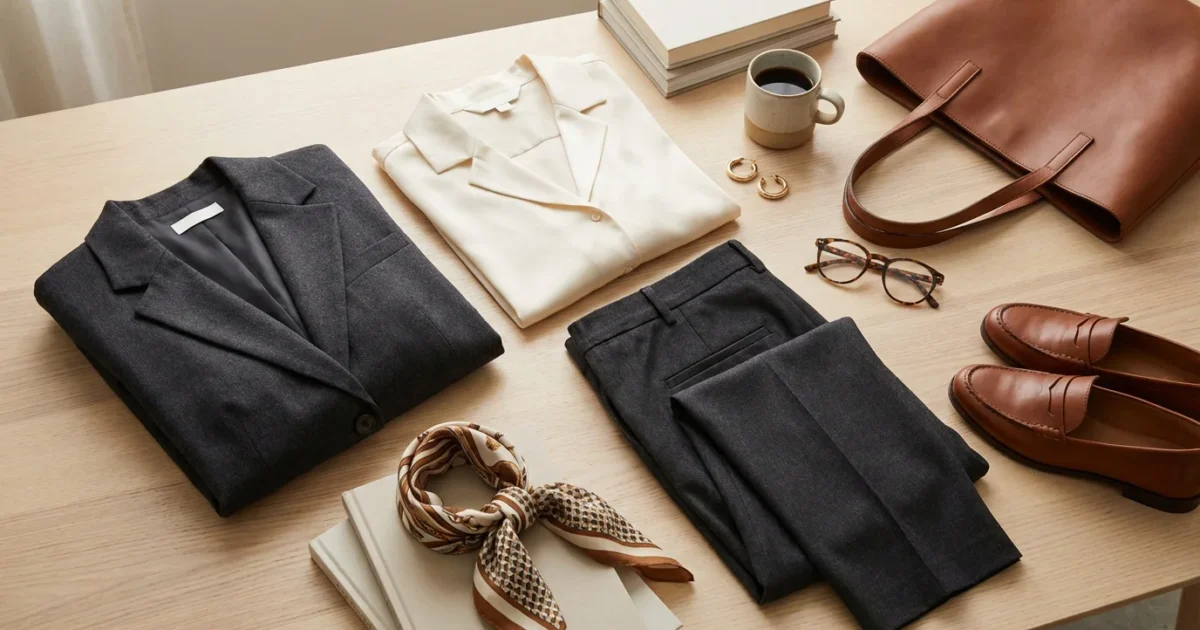
Aging is an elegant unfolding, a journey of discovery that refines your perspective and deepens your understanding of self. As you embrace the rich tapestry of your golden years, your personal style evolves, becoming a powerful expression of your authentic self. Dressing with confidence after 60 is not about chasing fleeting trends, but about cultivating a wardrobe that celebrates your wisdom, enhances your comfort, and projects the grace you embody.
Cultivating a wardrobe that makes you feel beautiful is a wonderful way of prioritizing yourself in retirement and practicing daily self-care.
This guide empowers you to approach your closet with intention, transforming it into a curated collection that reflects your refined taste and vibrant spirit. Discover how strategic choices in fabric, fit, and accessories elevate your daily life, making every outfit a testament to your enduring confidence and unique elegance.
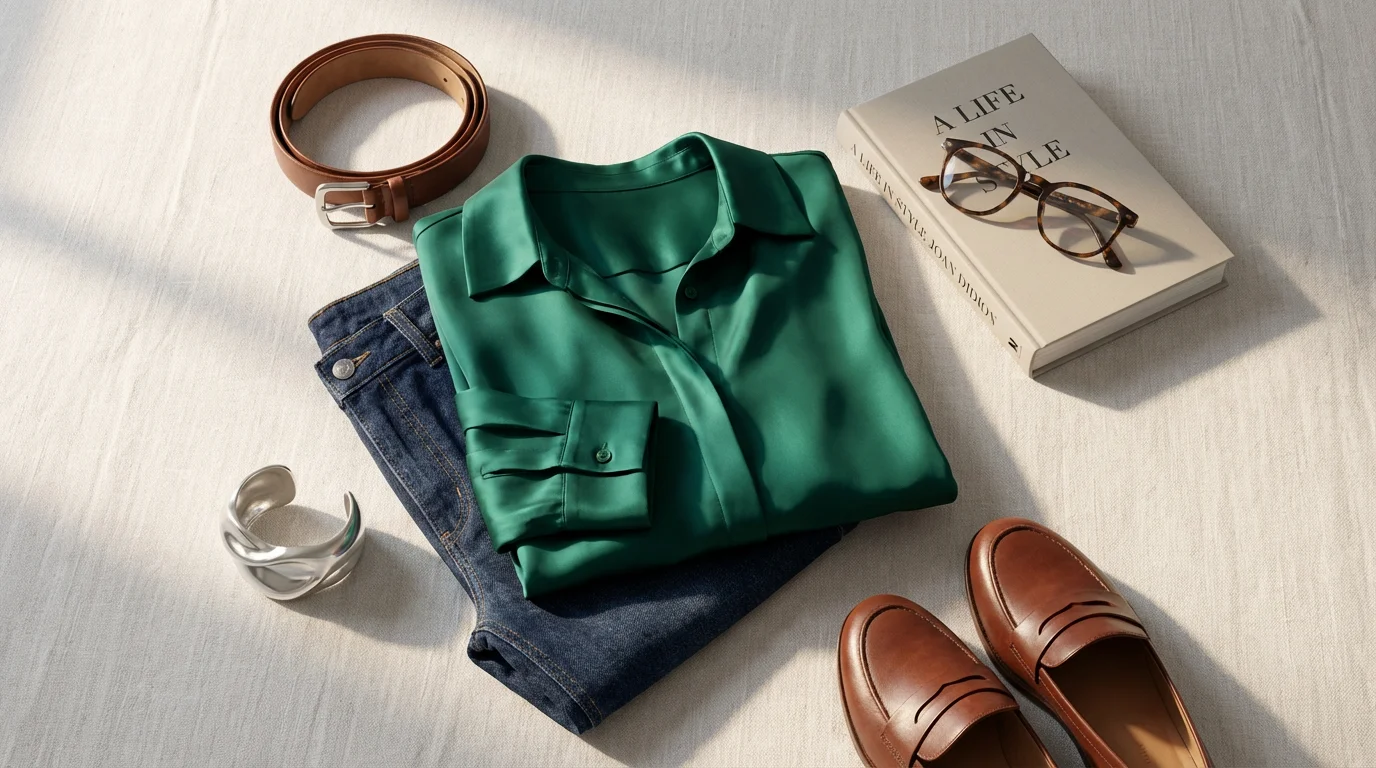
Embrace Your Unique Style Identity
True style emerges from a deep understanding of who you are and how you wish to present yourself to the world. After 60, you possess an invaluable asset: a lifetime of experiences that shape your preferences and define your comfort zone. This is the perfect time to shed any lingering expectations and cultivate a personal style that feels authentically yours.
Cultivating this inner confidence is a powerful way of dealing with ageism and thriving on your own terms.
Updating your look is a creative way of reinventing yourself in retirement while honoring your authentic self.
Consider your daily activities, your passions, and the environments you frequent. Do you prioritize comfort for active pursuits, or do elegant ensembles better suit your social engagements? Your wardrobe should serve your life, reflecting its multifaceted nature.
Age is an issue of mind over matter. If you don’t mind, it doesn’t matter.
— Mark Twain
Defining your style identity involves a gentle self-inquiry. Reflect on what truly resonates with you, allowing your inner wisdom to guide your fashion choices. What colors make you feel vibrant? What silhouettes offer both elegance and ease?
- Reflect on your past favorites: What pieces have you loved wearing over the years? What made them feel special?
- Identify your style words: If you had to describe your ideal style in three words, what would they be? (e.g., classic, artistic, relaxed, sophisticated, minimalist).
- Consider your lifestyle: Does your wardrobe support your current activities, hobbies, and social calendar? Adjustments often enhance practicality.
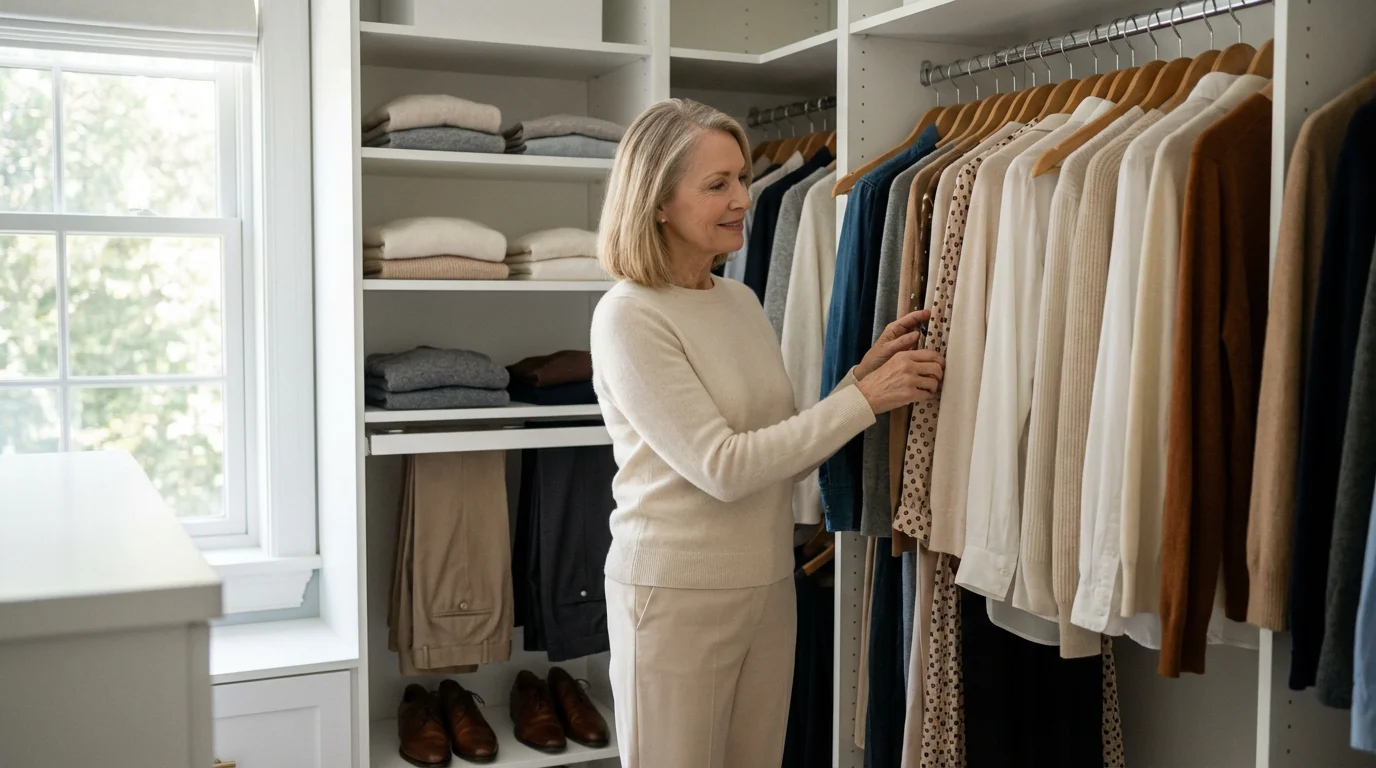
The Foundation of a Confident Wardrobe
Building a confident wardrobe begins with a strong foundation of versatile, high-quality pieces. These are the items that form the backbone of your senior fashion, easily mixed and matched to create numerous stylish outfits. Focus on timeless classics rather than fleeting trends.
Maintaining an organized and intentional wardrobe aligns with the habits of highly effective agers who approach every aspect of life with purpose.
Investing in well-made garments ensures longevity, better fit, and a more polished appearance. These foundational pieces simplify your daily dressing routine, allowing you to assemble elegant ensembles with ease. Think about staples that transcend seasons and occasions.
What clothes look best on seniors often includes pieces that offer comfort, versatility, and enduring appeal. Prioritize items that flatter your figure without restricting movement. Your core wardrobe should include:
- Well-fitting trousers or jeans: Choose styles that are comfortable at the waist and provide a clean silhouette. Dark wash jeans or tailored pants in neutral colors offer versatility.
- Classic skirts or dresses: A midi-length skirt or a simple shift dress in a quality fabric provides effortless elegance for many occasions.
- Versatile tops: Include soft knit sweaters, crisp blouses, and elegant tunic tops in a range of colors. Layering pieces are always beneficial.
- Blazer or cardigan: A tailored blazer or a chic cardigan instantly elevates an outfit and provides warmth.
- Outerwear: A classic trench coat or a sophisticated wool coat offers both style and practicality.
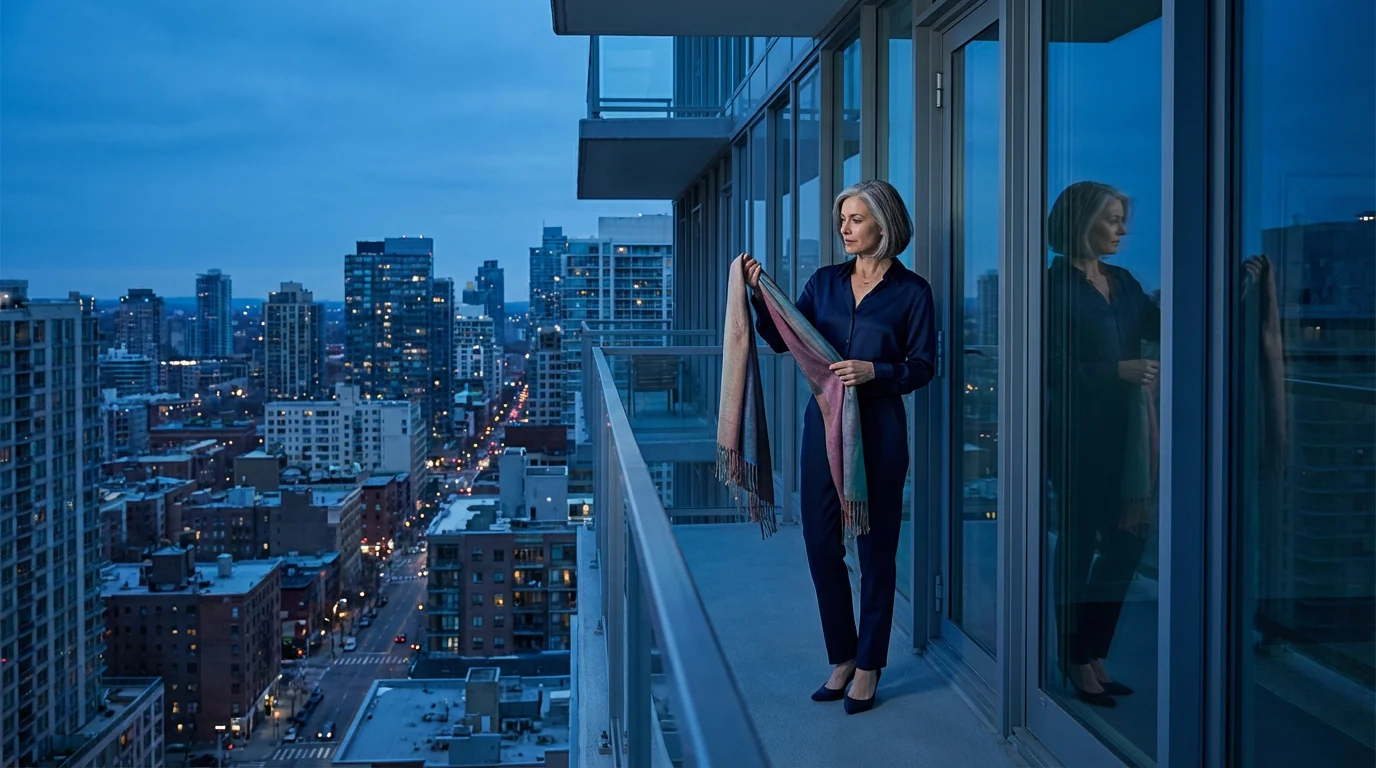
The Art of Color, Fabric, and Fit
The subtle interplay of color, fabric, and fit dramatically influences how clothes look and feel on you. Mastering these elements transforms your approach to senior fashion, allowing you to create truly flattering and comfortable ensembles. Pay close attention to these details.
Choosing Flattering Colors
As we age, our skin tone and hair color may change, impacting which hues best illuminate our complexion. Experiment with colors that make your skin glow and your eyes sparkle. You do not need to abandon your favorite shades; simply adjust the intensity or tone.
Consider wearing brighter, clearer versions of colors near your face, or using scarves to introduce flattering tones. Neutrals like charcoal, navy, cream, and taupe provide sophisticated bases for vibrant accents. A deep understanding of your personal color palette enhances your overall look.
Embracing Luxurious Fabrics
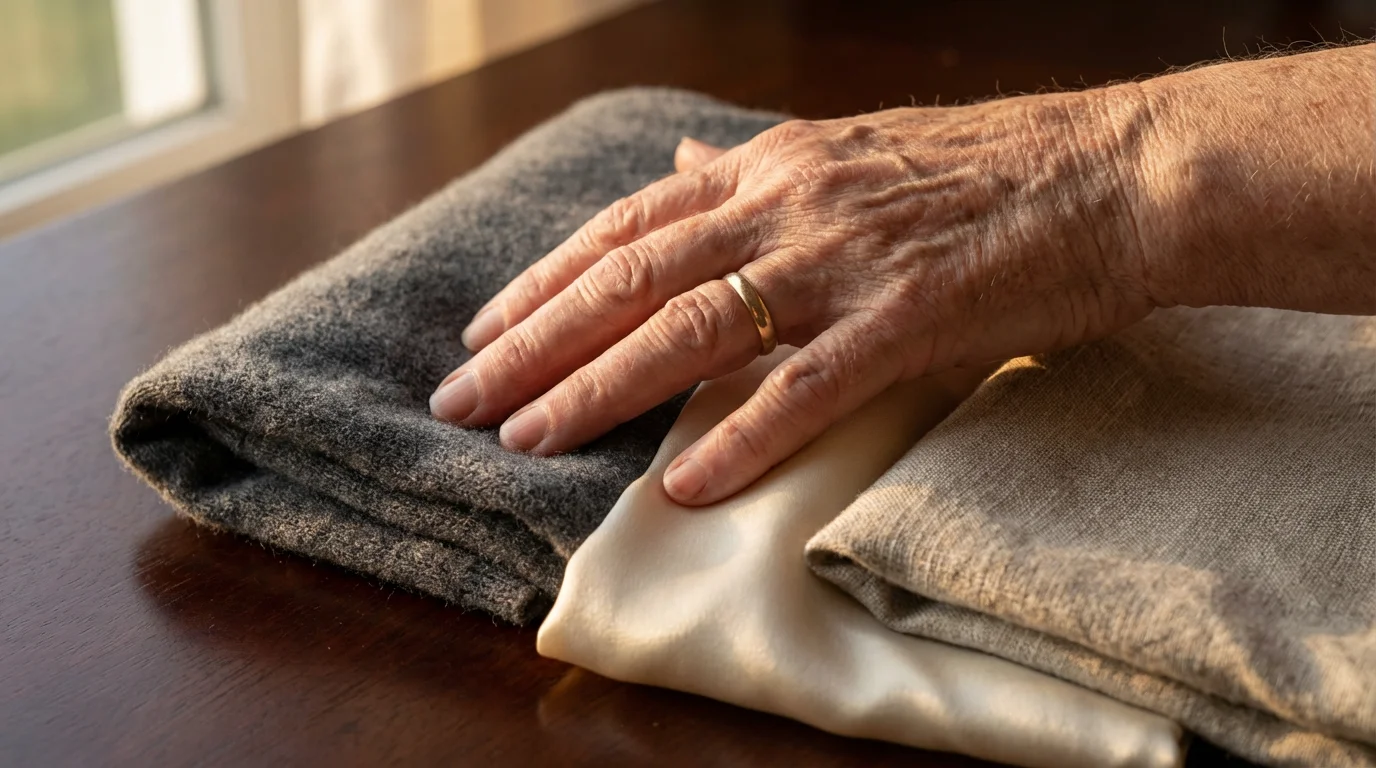
Quality fabrics offer both comfort and a refined aesthetic. Natural fibers like cashmere, merino wool, silk, linen, and high-quality cotton drape beautifully and feel pleasant against the skin. They also tend to breathe better and last longer than synthetic alternatives.
The texture of your clothing contributes to the richness of your look. Consider pieces with interesting weaves or subtle patterns to add depth. Smooth, soft fabrics generally appear more elegant and feel more comfortable for daily wear.
The Significance of Proper Fit
Fit is arguably the most critical element of stylish aging. Clothes that fit properly enhance your silhouette, provide comfort, and project an air of polish. Avoid overly tight or excessively baggy garments; instead, seek pieces that skim your body gracefully.
A good tailor becomes your greatest ally in achieving the perfect fit. Small adjustments, such as hemming trousers or taking in a waist, can transform an off-the-rack item into a custom-looking piece. This attention to detail elevates your entire wardrobe, showing an intentional approach to your personal style.
Accessorizing with Purpose and Panache
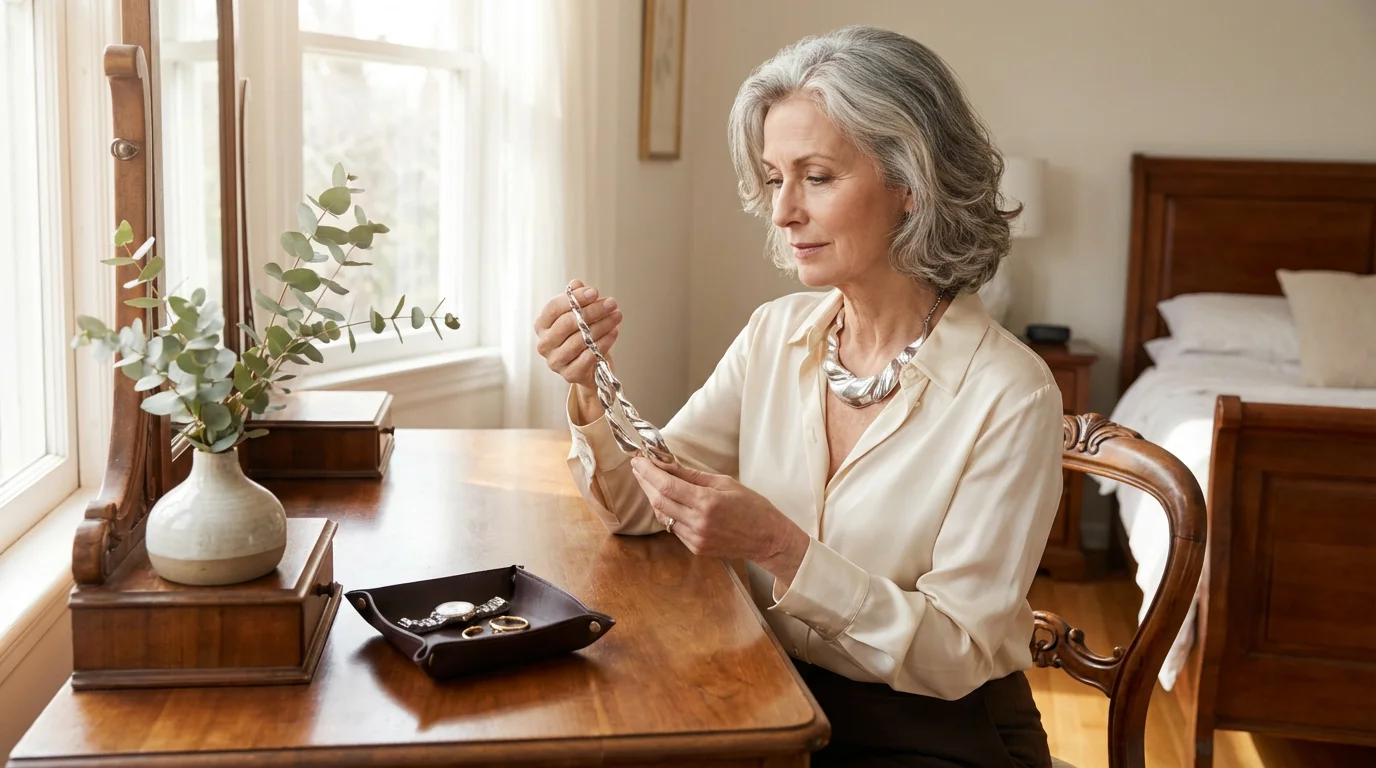
Accessories serve as the punctuation marks of your personal style, offering a powerful way to express your individuality and update any outfit. They provide opportunities to introduce color, texture, and personality without a complete wardrobe overhaul. Thoughtful accessorizing elevates your look with minimal effort.
Choose accessories that complement your overall aesthetic and enhance your features. A statement necklace can draw attention to your neckline, while elegant earrings frame your face. Remember that less is often more, allowing individual pieces to shine.
Consider these tips for selecting and styling your accessories:
- Invest in quality handbags and shoes: These items often receive close scrutiny and contribute significantly to your overall appearance. A classic leather bag or comfortable, stylish shoes instantly elevate your ensemble.
- Embrace scarves: Scarves offer incredible versatility. Use them to add a pop of color, introduce a print, provide warmth, or simply add a touch of sophistication around your neck, on your bag, or as a headwrap.
- Select jewelry thoughtfully: Choose pieces that reflect your taste, whether delicate and understated or bold and artistic. Ensure your jewelry is proportionate to your frame and attire.
- Consider eyewear: Your glasses are a prominent accessory. Select frames that flatter your face shape and express your personality. They are an integral part of your stylish aging.
Comfort Meets Chic: Practicality for Stylish Aging
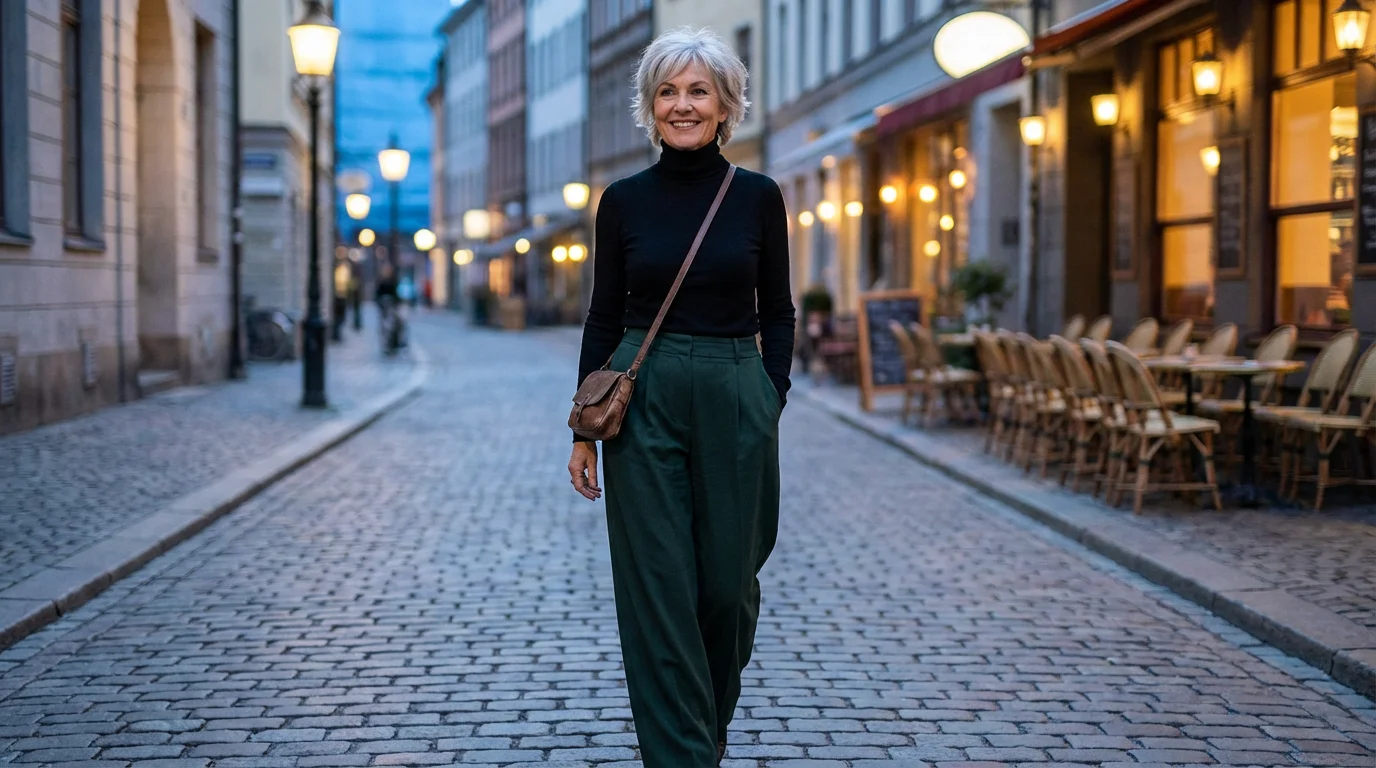
After 60, the imperative for comfort often grows, but this does not mean sacrificing style. Modern fashion offers numerous options that seamlessly blend practicality with elegance, allowing you to look sophisticated while feeling completely at ease. This harmonious balance is key to truly stylish aging.
This balance of style and ease is particularly helpful for those managing chronic pain, as thoughtful fabric choices can minimize daily discomfort.
The confidence that comes from stylish clothing is further enhanced by physical vitality, which can be maintained through gentle yoga for better posture and grace.
Prioritize garments that allow for freedom of movement and are made from breathable, soft materials. Elasticized waistbands, stretch fabrics, and well-designed cuts all contribute to comfort without compromising on a polished appearance. Your wardrobe should support your active life.
Practicality also extends to ease of care. Opt for machine-washable fabrics whenever possible, reducing the need for dry cleaning. Smart fabric choices save you time and effort, making your wardrobe a source of joy rather than a chore.
Integrate these practical considerations into your style:
- Choose smart layering: Layering allows you to adjust to temperature changes throughout the day. A light cashmere cardigan over a silk camisole, for example, offers both warmth and elegance.
- Prioritize comfortable footwear: Stylish shoes with adequate support are essential. Look for brands that combine ergonomic design with attractive aesthetics. Wedges, block heels, and elegant flats often offer better stability than stilettos.
- Opt for wrinkle-resistant fabrics: Fabrics like merino wool blends, certain knits, and Tencel resist wrinkling, keeping you looking fresh throughout the day without constant fuss.
- Consider adaptive clothing options: If you face specific mobility challenges, look into brands offering clothing designed for ease of dressing. Many of these now feature sophisticated designs. AARP offers resources on living well at any age, including practical considerations for daily life. You can find more information on their website, AARP.org.
Updating Your Wardrobe: A Thoughtful Process
Refreshing your wardrobe after 60 involves thoughtful curation rather than impulsive buying. It is a process of refinement, aligning your clothing with your evolving tastes and current lifestyle. Approach this task with a discerning eye and an understanding of your unique style.
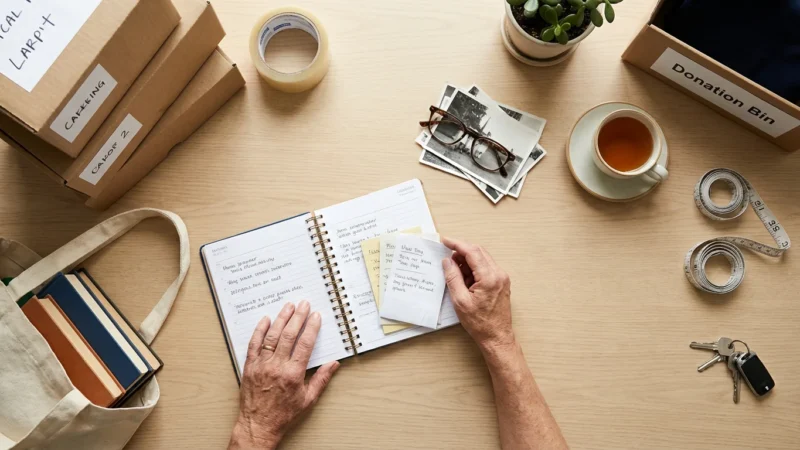
Clearing out a closet can sometimes trigger the same emotional hurdles found in downsizing for retirement, but the resulting clarity is well worth the effort.
Begin by decluttering your existing closet. Remove items that no longer fit, are worn out, or do not make you feel good. This creates space for new additions and clarifies what pieces you truly need. A streamlined wardrobe reduces decision fatigue.
When you update your wardrobe after 60, focus on filling gaps with versatile pieces that integrate seamlessly with what you already own. Consider the principle of a capsule wardrobe: a collection of essential items that can be mixed and matched to create multiple outfits. This thoughtful approach ensures every new purchase serves a purpose.
Use these steps to guide your wardrobe update:
- Perform a closet audit: Take everything out. Keep only what you love, fits well, and makes you feel confident. Be honest with yourself about what truly serves you.
- Identify gaps: After decluttering, notice what you are missing. Do you need more versatile tops, a specific type of pant, or an additional layering piece?
- Create a shopping list: With your gaps identified, make a targeted list. This prevents impulse buys and keeps you focused on your style goals.
- Shop strategically: Seek out quality over quantity. Look for pieces made from good fabrics that are well-constructed. Pay attention to sales, but do not buy something simply because it is cheap if it does not fit your style or needs.
- Consider a professional stylist: For those who desire expert guidance, a personal stylist specializing in senior fashion can offer invaluable advice. They help you pinpoint your best colors, shapes, and styles.
Finding Your Style Inspiration Authentically
Inspiration for your personal style surrounds you, but the key lies in filtering it through the lens of your own identity. You avoid simply replicating trends, instead adapting ideas to suit your unique preferences and body shape. Authentic inspiration fuels your self-expression.
Look to women who embody elegance and confidence in their later years. Observe how they combine pieces, use color, and choose accessories. This observation helps you refine your own eye for what looks polished and sophisticated.
Engage with fashion in a way that feels empowering. Read articles, browse online galleries, or even visit boutiques to see current offerings. Remember, the goal is not imitation, but cultivation of your own distinctive senior fashion. Cultivating a positive self-image and embracing change are topics often explored by institutions like the Stanford Center on Longevity, which conducts research into how we can live better, longer lives.
Here are avenues for genuine style inspiration:
- Observe stylish individuals: Notice women in your community, in magazines, or on social media platforms who dress in a way that resonates with you. Analyze what you like about their looks.
- Explore fashion blogs for older women: Many excellent blogs cater specifically to women over 60, offering practical advice and visual inspiration tailored to your demographic.
- Visit local boutiques: Boutique owners often curate unique collections and provide personalized styling advice, helping you discover pieces you might not find in larger chain stores.
- Experiment with looks in your own closet: Sometimes, new combinations of existing items can spark fresh ideas. Play dress-up and take photos to see what truly works.
Frequently Asked Questions
Are there specific colors or patterns I should avoid after 60?
There are no absolute rules about colors or patterns to avoid. Focus instead on how colors make your complexion look and how patterns flatter your figure. Some find that very stark, high-contrast patterns or extremely muted, drab colors can wash them out. Experiment with warmer tones, jewel tones, or soft pastels that complement your skin and hair color. Choose patterns proportionate to your frame, avoiding anything overly busy if it feels overwhelming.
How can I stay comfortable in my clothes without looking sloppy?
Achieving comfort without sacrificing polish involves smart fabric choices and proper fit. Opt for high-quality natural fibers like cotton, linen, silk, and wool, or well-engineered blends that offer stretch and breathability. Ensure your clothes fit well, neither too tight nor too baggy, with clean lines. Thoughtful layering, comfortable yet stylish footwear, and subtle accessories also contribute to a refined, comfortable look.
Is it appropriate to wear jeans after 60?
Absolutely, jeans are a timeless wardrobe staple appropriate at any age. The key is selecting styles that flatter your figure and suit your lifestyle. Opt for dark wash, straight-leg, or bootcut jeans for a classic, polished look. Avoid overly distressed styles or very low rises if they do not make you feel comfortable and confident. Pair your jeans with elegant blouses, tailored blazers, or sophisticated knitwear to elevate the ensemble.
How do I update my wardrobe without spending a lot of money?
Updating your wardrobe on a budget is very achievable. Start by decluttering your closet to understand what you truly own and what you need. Focus on adding versatile, foundational pieces that mix and match with existing items. Shop sales, consignment stores, or high-quality thrift stores. Accessories like scarves, jewelry, or a new handbag can dramatically refresh outfits. Small alterations, like hemming or tailoring, make existing clothes look custom and expensive.
What is the most important aspect of dressing with confidence after 60?
The most important aspect is dressing in a way that makes you feel genuinely good about yourself. Confidence stems from feeling comfortable, authentic, and well-presented in your own skin. This means prioritizing comfort, choosing clothes that flatter your unique body shape, expressing your personal style, and embracing quality over quantity. When you feel good in what you wear, that inner confidence shines through, making you look and feel your best.
Dressing with confidence after 60 is a joyful act of self-expression. It is about honoring the woman you have become, embracing your unique beauty, and stepping out into the world with grace and assurance. Your style is a reflection of your journey, a testament to your wisdom, and a celebration of your vibrant spirit. Embrace this chapter with intention, allowing your wardrobe to tell your magnificent story.
Disclaimer: This article is for informational and inspirational purposes. Life decisions are deeply personal, and we encourage readers to consult with appropriate professionals—whether healthcare providers, counselors, or financial advisors—for guidance specific to their circumstances.




Leave a Reply