

Life’s journey, particularly in our golden years, brings a profound understanding that grace often emerges from our ability to navigate its inherent complexities. Among these, the experience of loss stands as one of the most universal, yet deeply personal, challenges. It can feel as though a vital piece of your world has shifted, leaving an ache that demands acknowledgement. Embracing this chapter with dignity means recognizing that grief is a natural, albeit painful, process. It is a testament to the love and connection we have cherished.
This article explores the landscape of grief, particularly senior loss, and emphasizes the indispensable role of relationships in finding comfort and fostering resilience. We will share practical insights and offer paths for navigating this profound experience, ensuring you can continue living a life rich with purpose and connection. You possess an immense capacity for navigating life’s turns, even its most difficult ones, with strength and grace.

Understanding Grief in Later Life
Grief is a multifaceted response to loss, encompassing emotional, physical, cognitive, behavioral, and spiritual dimensions. It does not follow a linear path, nor does it adhere to a predictable timeline. Each individual experiences bereavement in their own unique way, influenced by their personality, life experiences, and the nature of the relationship lost.
Adopting the habits of highly effective agers can also help you build the emotional resilience needed to face these life-altering changes.
In later life, you often carry a rich tapestry of memories and experiences, making the impact of senior loss particularly poignant. You may find yourself re-evaluating your life, questioning your identity, or wrestling with feelings of loneliness. Recognize that all these reactions are normal parts of the grief process. Allowing yourself to feel these emotions is the first step towards healing and finding comfort after loss.

The Unique Landscape of Senior Loss
While grief is universal, its manifestations can differ significantly in later life. As we age, we often encounter losses with increasing frequency, from spouses and siblings to lifelong friends and even beloved pets. These cumulative losses can lead to a phenomenon known as “bereavement overload,” where one loss closely follows another, making it harder to fully process each one.
Furthermore, the loss of a spouse in retirement can profoundly impact your daily routines, social circles, and even your sense of identity. You may confront not only emotional pain but also practical challenges related to finances, household management, and social engagement. Understanding these unique aspects of senior loss helps validate your feelings and informs effective grief support strategies. Research from the National Institute on Aging highlights the importance of social engagement for older adults, particularly in navigating difficult life transitions such as bereavement.
Consider for a moment the impact of losing a long-term partner. This loss often represents not just a person, but a shared history, a daily rhythm, and a vision of the future. The void left behind is immense, prompting a redefinition of your own path forward.

The Power of Connection: How Relationships Heal
Human connection serves as a profound balm during times of sorrow. When you experience loss, your relationships become an essential lifeline, offering comfort, understanding, and a shared space for remembrance. Strong social ties provide a buffer against the isolating effects of grief and contribute significantly to overall well-being.
During this time, strengthening relationships through appreciation for those who support you can provide a much-needed sense of warmth and perspective.
Connecting with others who understand your pain or who simply offer a compassionate presence can provide immense relief. These interactions remind you that you are not alone in your journey. They help you process emotions, share memories, and gradually reintegrate into life with renewed strength. The adage holds true: grief shared is grief lessened.
“What we once enjoyed and deeply loved we can never lose, for all that we love deeply becomes a part of us.”
— Helen Keller
Finding comfort after loss often hinges on your willingness to lean into your support system. Whether it is family, friends, or community groups, these relationships offer vital emotional sustenance. They help you find moments of respite and remind you of the enduring beauty of life.

Nurturing Your Support Network
Actively engaging with your relationships is critical when coping with grief relationships. This involves both reaching out and allowing others to reach in. Sometimes, the sheer effort of socializing can feel overwhelming, but even small interactions can make a significant difference.
Here are ways to nurture your support network:
- Communicate Your Needs: Clearly express what helps you. Sometimes you need a listening ear, sometimes a distraction, and sometimes practical help. People often want to help but do not know how.
- Accept Offers of Help: It can feel vulnerable to accept assistance, but allow friends and family to provide meals, run errands, or simply sit with you. This reciprocal kindness strengthens bonds.
- Maintain Existing Friendships: Even when you feel withdrawn, try to maintain regular contact with close friends. A simple phone call or a short visit can reaffirm your connections.
- Seek Out Shared Activities: Rejoin a book club, volunteer group, or hobby circle. Engaging in activities you enjoy with others creates opportunities for new connections and reinforces existing ones.
- Connect with Other Grievers: Consider joining a grief support group. Sharing experiences with others who understand your specific challenges can provide profound comfort and validation. Organizations like AARP offer resources for finding such groups and managing loss.
Remember, your relationships are a two-way street. Offering your presence and support to others in their times of need also reinforces your own sense of connection and purpose.

Practical Steps for Navigating Grief
Beyond relying on your relationships, there are concrete actions you can take to navigate the daily challenges of bereavement. These steps help create a framework for coping and moving towards healing. Integrating small, manageable actions into your routine can provide a sense of control during a time that often feels overwhelming.
For many, mindful meditation serves as a gentle way to stay present with your feelings without becoming consumed by them.
Managing the physical toll of bereavement is also crucial; incorporating deep breathing exercises can help soothe your nervous system when emotions feel overwhelming.
- Establish a Routine: Grief can disrupt your daily life. Creating a flexible routine, even if it is just consistent mealtimes and sleep patterns, provides structure and stability.
- Prioritize Self-Care: Ensure you are eating nutritious food, getting adequate rest, and engaging in gentle physical activity. These basic needs are often overlooked but are crucial for emotional resilience.
- Allow for Expression: Find healthy outlets for your emotions. This could be journaling, talking to a trusted friend, engaging in creative activities, or listening to music. Do not suppress your feelings.
- Honor Your Loved One: Find meaningful ways to remember the person you lost. This might involve creating a memory box, participating in a charity walk, or continuing a tradition they cherished.
- Set Realistic Expectations: Understand that healing is a process, not an event. There will be good days and difficult days. Be patient and compassionate with yourself.
It is important to acknowledge that some days will feel harder than others. Give yourself permission to experience these fluctuations without judgment. Your strength lies in your ability to keep moving forward, even if slowly.
Finding New Purpose and Meaning
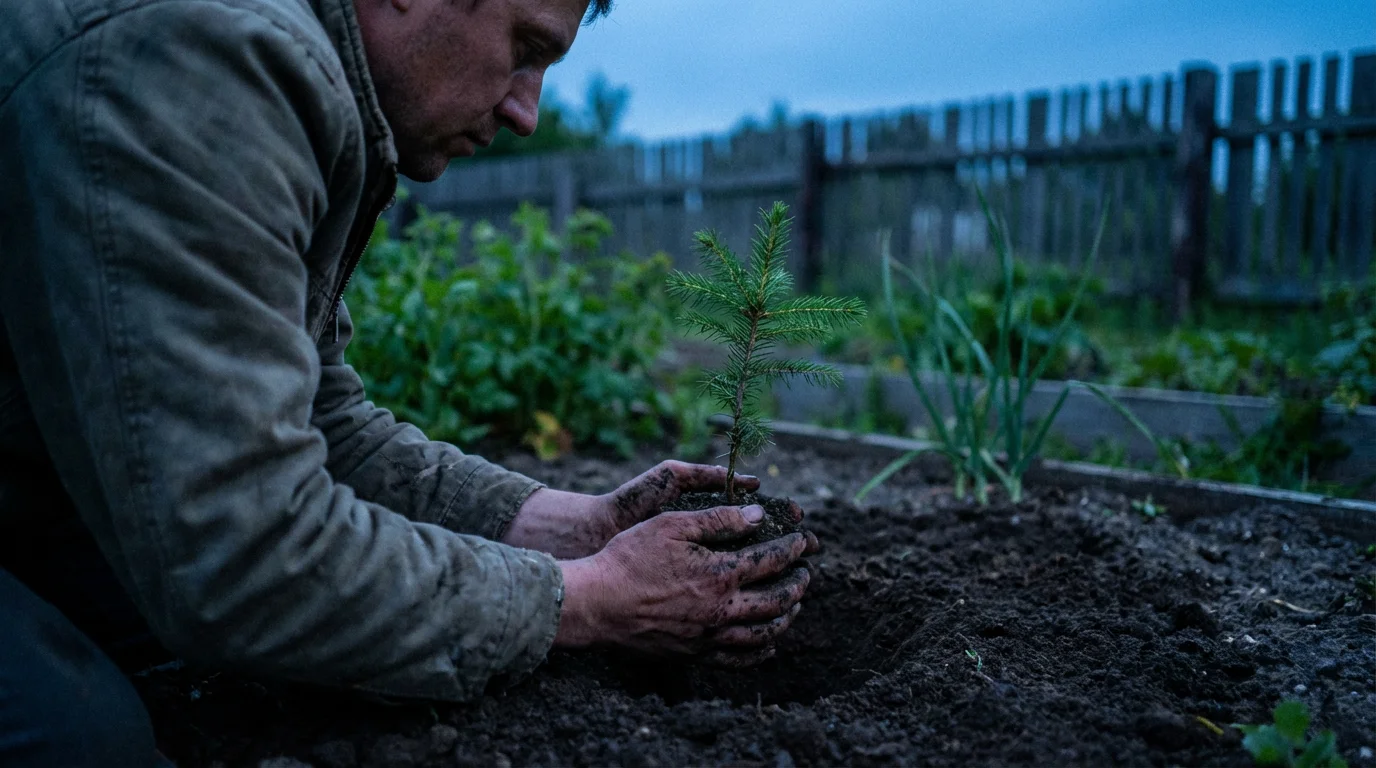
While grief may initially feel all-consuming, a vital part of finding comfort after loss involves rediscovering purpose and meaning in your life. This does not diminish the love you held for the person you lost, but rather honors their memory by continuing to live fully and gracefully.
You may also find comfort in sharing your wisdom and values with the next generation, ensuring that the essence of what you’ve learned—and who you’ve loved—endures.
Many older adults find renewed purpose through:
- Volunteering: Contributing your time and talents to a cause you believe in can provide a sense of accomplishment and connection. Organizations like Encore.org celebrate this very spirit, encouraging retirees to apply their wisdom to societal challenges.
- Learning New Skills: Take up a new language, an instrument, or a craft. Engaging your mind in novel ways can be incredibly invigorating and provide new social avenues.
- Mentorship: Share your life experiences and wisdom with younger generations. This can be immensely fulfilling and creates a lasting legacy.
- Creative Expression: Explore painting, writing, gardening, or any creative pursuit that allows you to express your inner world and process your emotions.
- Travel and Exploration: If physically able, explore new places or revisit cherished ones. New experiences can broaden your perspective and remind you of the world’s beauty.
Finding new purpose does not mean forgetting. It means integrating your loss into the ongoing story of your life, allowing it to inform your choices and deepen your compassion. This active engagement with life is a powerful form of grief support.

When to Seek Professional Grief Support
While your natural support network is invaluable, some experiences of bereavement require additional assistance. Professional grief support offers specialized guidance and tools for navigating particularly challenging grief. Knowing when to reach out is a sign of strength, not weakness.
Consider seeking professional help if you experience:
- Prolonged or Debilitating Grief: If intense grief symptoms persist for an extended period, significantly impairing your ability to function in daily life, professional intervention may be beneficial.
- Physical Health Decline: Unresolved grief can manifest in physical symptoms. If you experience persistent sleep disturbances, appetite changes, or worsening chronic conditions, consult a healthcare provider.
- Isolation and Withdrawal: If you find yourself consistently avoiding social interaction and feeling profoundly isolated, a counselor can help you re-engage.
- Thoughts of Self-Harm: If you harbor thoughts of harming yourself, seek immediate professional help. This is a critical situation requiring urgent attention.
- Difficulty Processing Emotions: If you feel “stuck” in your grief, unable to express or process your emotions constructively, a therapist can provide a safe space and guidance.
Grief counselors and therapists are trained to provide compassionate support and evidence-based strategies for coping with loss. They can help you understand your unique grief journey and develop personalized coping mechanisms. Psychology Today Aging provides resources and articles discussing how therapy can support older adults through significant life changes and emotional challenges.
Frequently Asked Questions
How long does grief typically last?
There is no standard timeline for grief. It is a highly individual process, and its duration varies greatly from person to person. While acute pain may lessen over months, feelings of loss can resurface periodically, especially on significant dates. Healing means learning to live with the loss, not forgetting it.
Can grief affect my physical health?
Yes, grief can have significant physical manifestations. It may lead to fatigue, sleep disturbances, changes in appetite, muscle aches, and a weakened immune system. It can also exacerbate existing health conditions. Prioritizing self-care and seeking medical advice for persistent symptoms is crucial during bereavement.
Is it normal to feel guilty after a loss?
Feelings of guilt are a common part of the grief process. You might feel guilty about things said or unsaid, actions taken or not taken, or even for surviving. Recognize that these feelings are often an attempt to regain control in an uncontrollable situation. Discussing these feelings with a trusted friend, family member, or counselor can be very helpful.
What if my friends do not know how to support me?
It is common for friends to feel uncomfortable or unsure how to offer support during grief. You can gently guide them by clearly communicating your needs. Suggest specific ways they can help, such as “Could you come over for a cup of tea?” or “I would appreciate it if you could listen without offering advice.” Open communication helps both you and your friends navigate this difficult time.
Disclaimer: This article is for informational and inspirational purposes. Life decisions are deeply personal, and we encourage readers to consult with appropriate professionals—whether healthcare providers, counselors, or financial advisors—for guidance specific to their circumstances.








Leave a Reply