
Retirement unveils a profound opportunity for reimagining your social landscape. This chapter, rich with newfound time and wisdom, allows you to deepen existing bonds and forge vibrant new connections. Embracing a proactive approach to your social life ensures your golden years are filled with shared laughter, mutual support, and profound meaning. You hold the power to shape a retirement defined by warmth and companionship.
Focusing on maintaining social connections becomes a cornerstone of a healthy and happy life during this transition.

The Unfolding Tapestry of Retirement Friendships
Retirement offers a unique pivot point for your social life. The structured social circles of work often dissipate, opening space for more intentional, authentic connections. You gain the freedom to choose companions who truly resonate with your evolving interests and values. This shift allows you to weave a new tapestry of relationships, richer and more personally fulfilling than ever before.
This period of transition is the perfect moment for reinventing yourself in retirement and exploring who you want to be in this new chapter.
Consider this period a grand expansion, not a contraction, of your social world. You possess the wisdom of years, the freedom of time, and the clarity of self that makes cultivating deep, meaningful social connections genuinely possible. Embrace this unique opportunity to build a community that uplifts and sustains you.
Why Social Connections Flourish in Later Life
The belief that building new friendships becomes harder with age is a misconception. In fact, research consistently shows the profound benefits of robust social connections for seniors. These bonds contribute significantly to mental acuity, emotional resilience, and physical well-being. A vibrant social life can mitigate stress, improve mood, and even enhance longevity.
Proactively seeking strategies for overcoming isolation allows you to build a resilient support network before challenges arise.
The National Institute on Aging highlights how social engagement helps maintain cognitive function and reduces the risk of isolation. You have more control over your time, allowing you to invest energy into relationships that truly matter. This intentionality often leads to deeper, more satisfying bonds. You choose your connections based on genuine affinity, rather than proximity or obligation.
Age is an issue of mind over matter. If you don’t mind, it doesn’t matter.
— Mark Twain
This era allows for a qualitative shift in your relationships. You possess a clearer understanding of your own needs and desires, enabling you to seek out friendships built on shared purpose and mutual respect. This focus on quality over quantity defines many flourishing senior friendships.
Identifying Your Social Landscape: Where to Begin
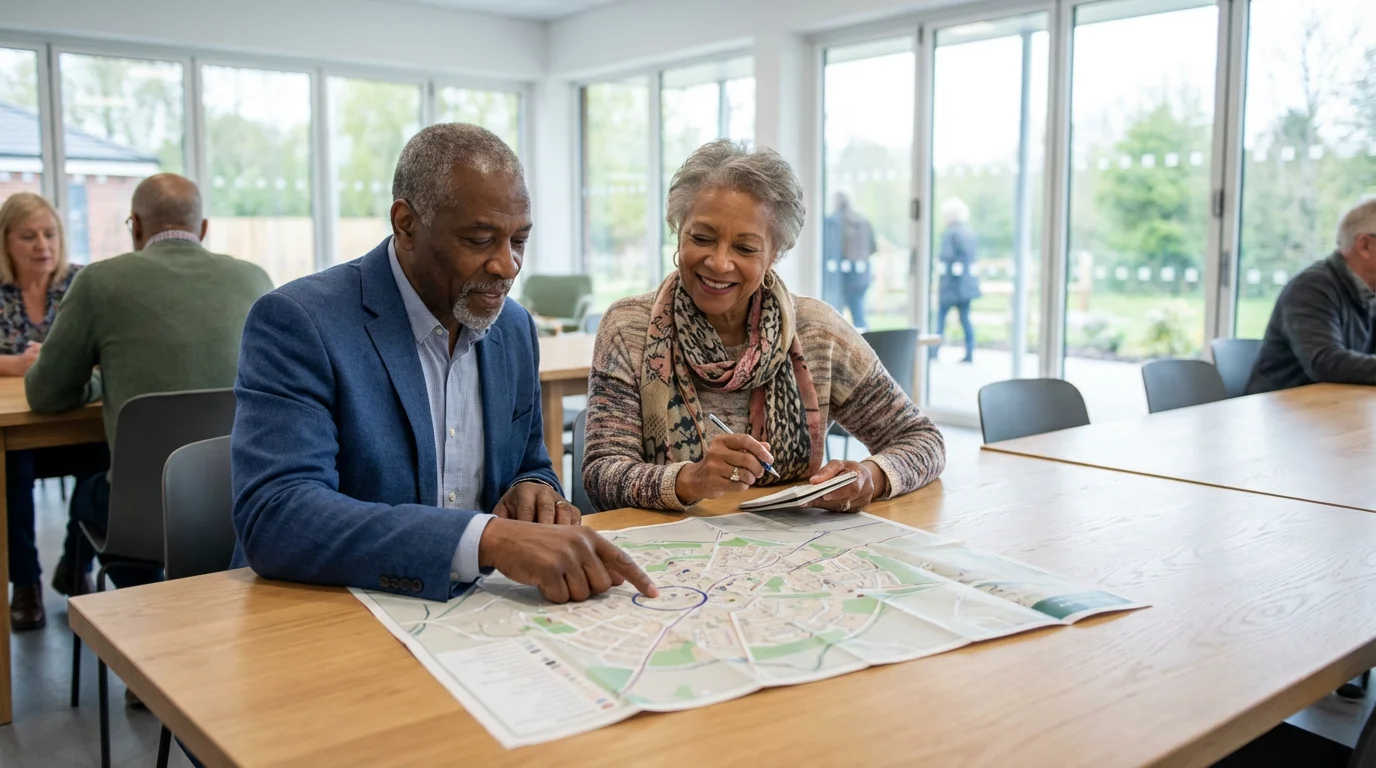
Before embarking on new social adventures, take a thoughtful inventory of your current relationships. Understand what brings you joy and what areas might need enrichment. This reflection provides a clear starting point for cultivating new social connections. It helps you identify specific gaps and opportunities.
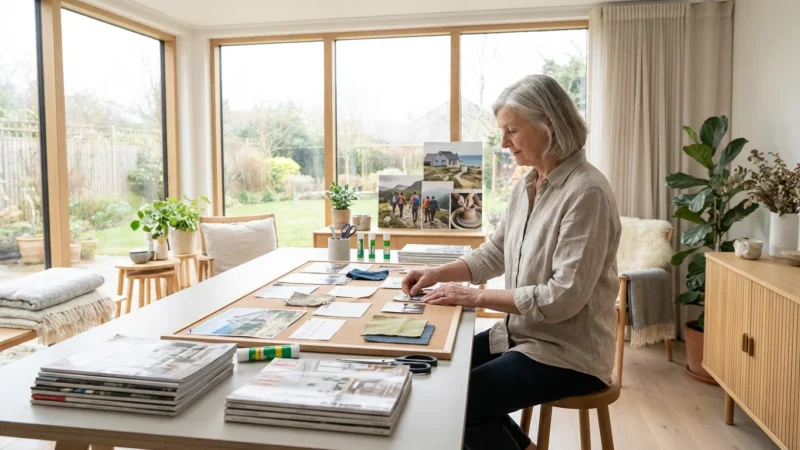
Visualizing your ideal social life can be as transformative as crafting a retirement vision board to map out your personal aspirations.
Engage in a gentle self-assessment. Ask yourself:
- Which relationships currently nourish you most, and why?
- Do you feel a sense of belonging in your current social circles?
- Are there types of connections you desire more of, such as intellectual companionship, active partners, or empathetic listeners?
- What activities or interests are you passionate about that could naturally lead to new friendships?
- How much time and energy do you realistically wish to dedicate to social engagement each week?
Understanding your current landscape allows you to set intentions for growth. Perhaps you wish to rekindle an old friendship or explore a completely new social sphere. This intentionality serves as your compass.
Practical Pathways to New Senior Friendships
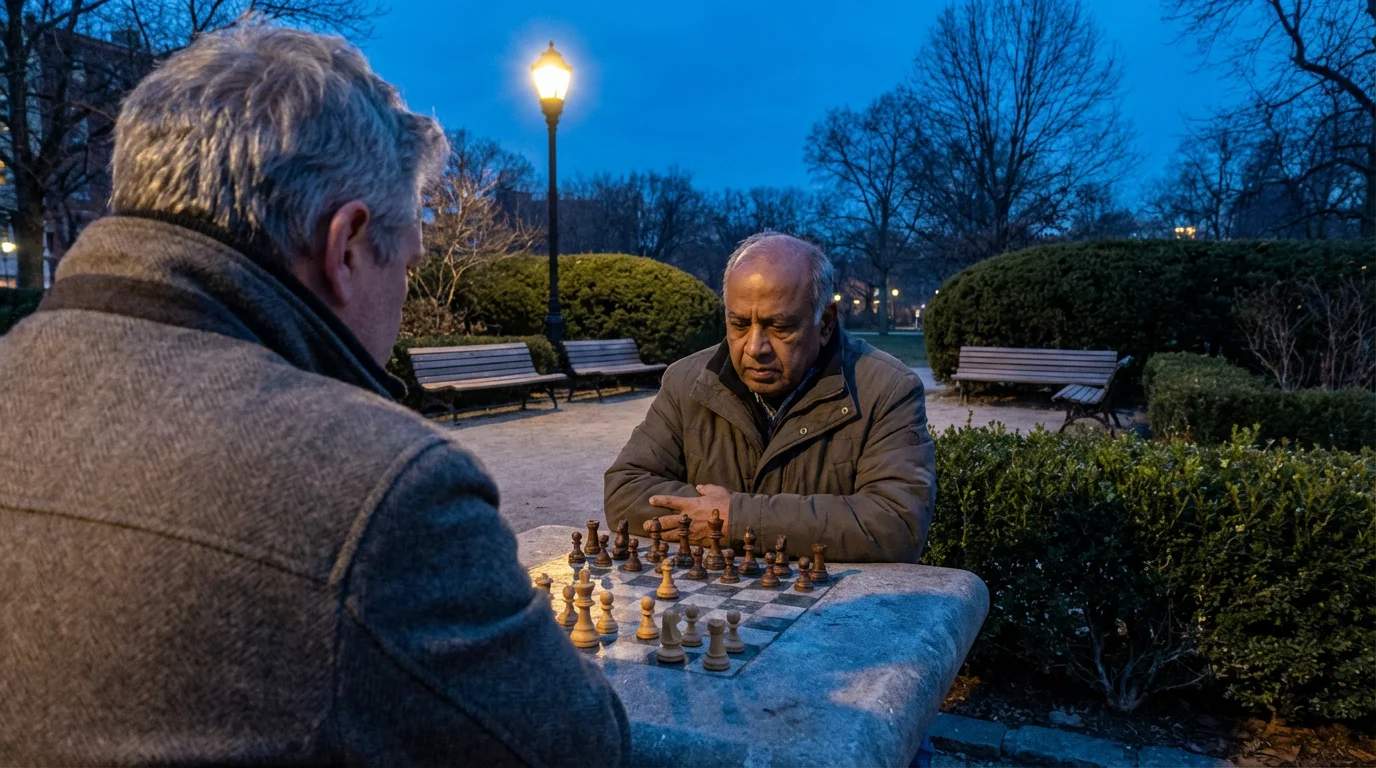
Building strong retirement friendships requires deliberate action and an open heart. Consider these actionable strategies to expand your social circles and combat loneliness effectively. Each step offers a tangible way to create opportunities for connection.
- Volunteer Your Time: Dedicate yourself to a cause you care about. Volunteering immediately places you among like-minded individuals. Whether at a hospital, library, animal shelter, or community garden, shared purpose naturally fosters camaraderie. Organizations like Encore.org celebrate adults 50+ making a difference, often highlighting the powerful social bonds formed through service.
- Join Interest-Based Clubs or Groups: Pursue your hobbies with others. Local community centers, senior centers, and online platforms often host groups for everything from book clubs and bridge to hiking and painting. These settings offer a low-pressure environment to engage in shared passions.
- Enroll in Continuing Education: Learning environments create natural opportunities for interaction. Take a college course, attend a workshop, or join a language class. Shared intellectual curiosity forms a strong foundation for new friendships.
- Utilize Fitness and Wellness Programs: Group exercise classes, yoga studios, or walking clubs provide regular social contact within a healthy framework. The shared experience of movement and wellness can forge surprisingly deep bonds.
- Attend Local Community Events: Keep an eye on local calendars for festivals, lectures, farmers’ markets, or art exhibitions. These public gatherings are excellent, informal settings for striking up conversations and meeting new people in your area.
Remember, the goal is not to collect acquaintances, but to find individuals with whom you can build genuine relationships. Consistency in attendance and a willingness to initiate conversation are your most powerful tools.

Nurturing Existing Bonds and Combating Loneliness
While seeking new connections is vital, dedicating energy to existing friendships ensures a strong social safety net. These relationships provide comfort, history, and unwavering support. Active nurturing prevents loneliness and enriches your daily life.
It is also vital to approach dealing with difficult family dynamics with patience to maintain your emotional health.
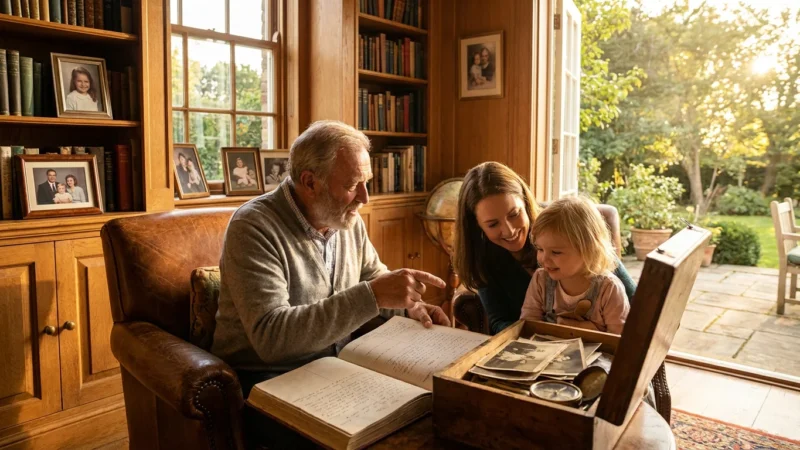
For many, strengthening bonds across generations through intentional grandparenting offers some of life’s most rewarding social interactions.
Consider these actions to strengthen your current relationships:
- Schedule Regular Check-ins: Make a habit of calling, video chatting, or meeting up with friends and family regularly. Consistency signals your commitment and value for the relationship.
- Be a Thoughtful Listener: Truly listen when friends share their experiences. Offer empathy and understanding, making them feel heard and valued.
- Plan Shared Experiences: Organize activities that you both enjoy. This could be anything from cooking a meal together, attending a concert, or taking a short trip. Shared experiences create new memories and deepen bonds.
- Offer and Accept Help: Friendships thrive on reciprocity. Be available to support your friends in their times of need, and graciously accept their help when you require it. This exchange strengthens trust and connection.
- Celebrate Milestones: Acknowledge birthdays, anniversaries, or achievements. These small gestures show you care and appreciate their presence in your life.
Combating loneliness involves both outward reach and inward reflection. Actively engaging in your community and maintaining close ties creates a buffer against feelings of isolation. Psychology Today’s articles on aging often highlight the critical role of social support in maintaining mental health.

Embracing Digital Connections with Grace
The digital world offers a powerful, accessible avenue for cultivating social connections, particularly for seniors. Do not underestimate the potential for deep, meaningful relationships formed online. It breaks down geographical barriers and connects you with niche communities.
Beyond social media, digital storytelling allows you to share your unique legacy with friends and family worldwide.
Many platforms cater specifically to older adults, providing safe and engaging spaces for interaction. Consider joining:
- Online Hobby Groups: Facebook groups, dedicated forums, or Reddit communities exist for nearly every interest imaginable, from genealogy to classic films.
- Virtual Classes or Workshops: Expand your knowledge and connect with classmates through online learning platforms.
- Video Conferencing with Family and Friends: Bridge distances with loved ones through platforms like Zoom or FaceTime, making regular connections effortless.
- Senior-Specific Social Networks: Explore platforms designed for older adults that prioritize community building and shared experiences.
Approach digital connections with a discerning eye for safety and privacy, but with an open mind for the rich social opportunities they present. You can expand your world from the comfort of your home, finding companionship and belonging.

Overcoming Obstacles to Building Strong Retirement Friendships
Even with the best intentions, you may encounter challenges in your quest for meaningful social connections. Acknowledging these obstacles allows you to develop strategies for overcoming them. Resilience and adaptability are your allies.
Common hurdles include:
- Shyness or Social Anxiety: Start small. Focus on brief, positive interactions. Remember that most people appreciate a genuine smile or a kind word. Practice self-compassion, recognizing that building rapport takes time.
- Geographical Distance: If your closest friends live far away, leverage digital tools for regular communication. Plan annual trips or virtual gatherings to maintain your bonds. Look for local connections in your immediate area to supplement.
- Loss of Friends and Family: Grieving is natural and necessary. Allow yourself this process. As you heal, remember that honoring their memory also involves embracing new joys and connections in your life. Seek support groups if needed.
- Differing Lifestyles or Interests: Not every interaction needs to lead to a deep friendship. Appreciate acquaintances for the unique contributions they offer. Diversify your social circles to meet various needs.
- Fear of Rejection: This is a universal human fear. Understand that not every person you meet will become a close friend, and that is perfectly normal. Focus on the connections that do blossom. A single genuine connection is more valuable than many superficial ones.
The Stanford Center on Longevity champions strategies for healthy aging, including proactive approaches to social engagement. You possess the inner strength to navigate these challenges and build the fulfilling social life you deserve.

Measuring the Richness of Your Social Portfolio
You measure a rich life not by financial assets, but by the wealth of your relationships. Regularly assess the quality and impact of your social connections. This reflection helps you identify areas of strength and opportunities for further growth.
Consider these indicators of a rich social life:
- Feelings of Belonging: Do you feel truly accepted and valued by your friends?
- Mutual Support: Do you have people you can rely on, and do they feel they can rely on you?
- Shared Joy and Laughter: Do your relationships bring consistent happiness and lightness to your life?
- Intellectual Stimulation: Do your friends engage you in thoughtful conversations and broaden your perspectives?
- Personal Growth: Do your relationships inspire you to be your best self and embrace new experiences?
If you find areas needing attention, approach them with grace and intention. A thriving social portfolio contributes significantly to your overall well-being and sense of purpose in retirement. You are the architect of your social fulfillment.
Frequently Asked Questions
How important are social connections in retirement?
Meaningful social connections are profoundly important, serving as a cornerstone for well-being, cognitive health, and overall life satisfaction in retirement. Strong social bonds can mitigate the risks of loneliness, enhance emotional resilience, and even extend life expectancy. They provide a sense of purpose, belonging, and joy, enriching your golden years considerably.
What if I feel shy about making new friends as a senior?
Many people experience shyness, regardless of age. Start by seeking out activities aligned with your existing interests, as shared passions provide an easy conversational bridge. Begin with low-pressure environments, such as a book club or a walking group, where interactions can be casual. Remember, genuine connection often starts with a simple smile or a warm greeting, and small steps can lead to significant friendships.
Can I really build strong friendships online?
Yes, you absolutely can build strong and meaningful friendships online. The digital realm offers extensive opportunities to connect with individuals who share niche interests, live in different geographical areas, or simply resonate with your outlook. Online communities, special interest forums, and virtual clubs foster deep connections, which often transcend the digital space into real-world meetups, enriching your social connections.
How do I handle the loss of old friends and the shifting dynamics of existing relationships?
Navigating loss and change is an inevitable part of life, particularly in later years. Acknowledge and honor your grief for friends you have lost. For shifting dynamics, practice open communication and adapt your expectations. Focus on the quality of remaining relationships while actively seeking new social connections. Remember that making new senior friendships honors the past by embracing the present and future.
Are there specific activities seniors can do to meet new people?
Indeed, numerous activities provide excellent avenues for seniors to meet new people. Consider volunteer work, joining hobby groups like gardening or painting, participating in fitness classes, or taking adult education courses. Local senior centers, community organizations, and faith-based groups also host a wide array of social events and interest-based clubs. Engaging in these activities naturally creates opportunities for building strong retirement friendships based on shared experiences.
Disclaimer: This article is for informational and inspirational purposes. Life decisions are deeply personal, and we encourage readers to consult with appropriate professionals—whether healthcare providers, counselors, or financial advisors—for guidance specific to their circumstances.



Leave a Reply