

Life’s later chapters offer a profound opportunity to reflect on the relationships that have shaped your journey. This stage is not merely a time for looking back, but a vibrant period for enriching your present connections and nurturing new ones. At its heart, this enrichment often begins with a simple, yet powerful, practice: gratitude.
Embracing gratitude transforms how you perceive the world and interact with those around you. It reframes everyday moments into opportunities for connection, deepening your bonds with family, friends, and community. This mindful appreciation creates a ripple effect, enhancing both your well-being and the vitality of your relationships.
The Enduring Power of Gratitude in Your Golden Years
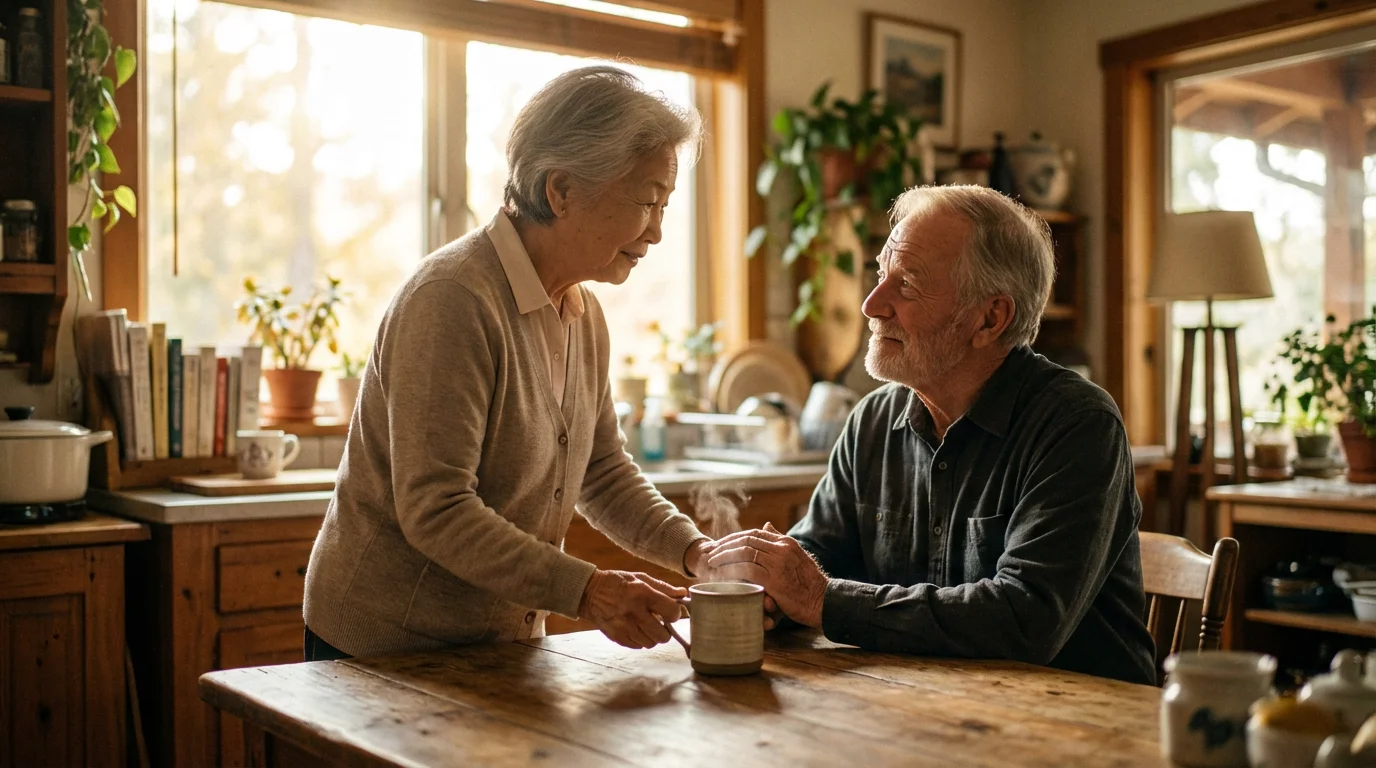
As you navigate your golden years, the significance of gratitude often becomes clearer and more profound. You gain perspective on life’s intricate tapestry, recognizing the myriad blessings and the people who have contributed to your happiness and growth. This isn’t just a fleeting emotion; it is a sustained state of mind.
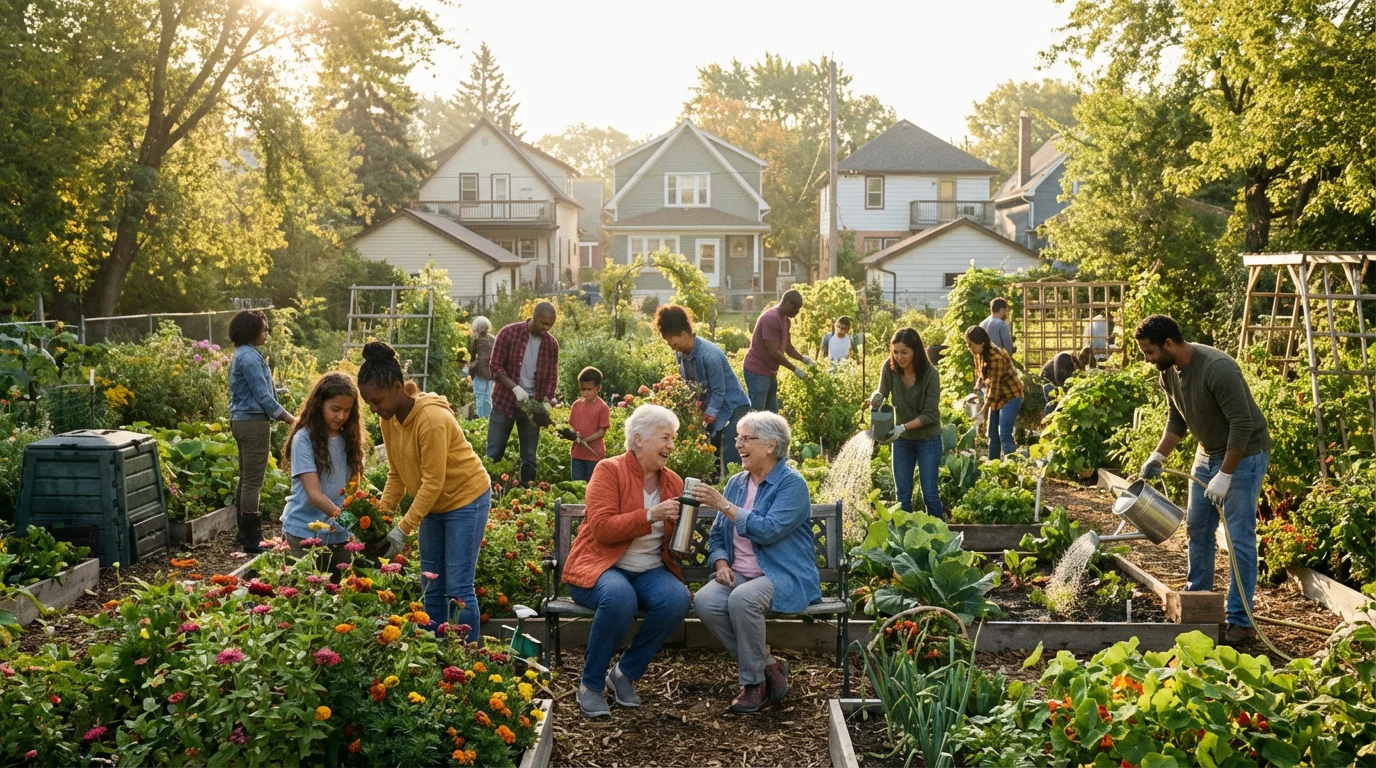
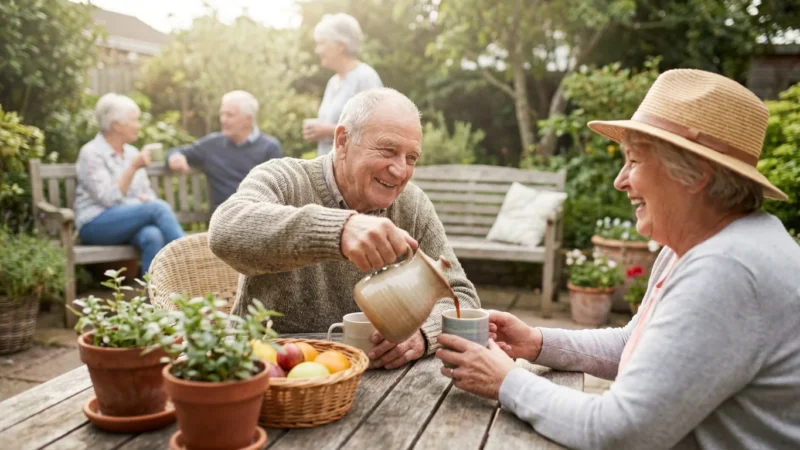
Engaging in peaceful outdoor activities, such as gardening for wellness, can provide the quiet reflection needed to cultivate a more thankful heart.
A consistent practice of gratitude offers considerable benefits to your personal well-being. Research from sources like Harvard Health Publishing consistently links gratitude to increased happiness, reduced stress, and improved resilience in the face of life’s challenges. You experience greater life satisfaction when you actively acknowledge the good around you.
Beyond individual benefits, gratitude acts as a powerful catalyst for human connection. It reminds you of your interdependence, fostering a sense of belonging and mutual support. This realization is crucial for thriving relationships in every stage of life, especially in retirement.

Why Relationships Flourish with Appreciation
Relationships thrive on a foundation of mutual respect and acknowledgment. When you genuinely express appreciation, you validate another person’s worth and the positive impact they have on your life. This act communicates value and strengthens emotional bonds.
Consider the psychological impact of feeling truly seen and valued. It builds trust, enhances empathy, and encourages a deeper level of intimacy. These elements are essential for creating relationships that withstand the test of time and change.
Appreciation also creates a positive feedback loop. When you express gratitude, others often feel motivated to continue their kindness and support, leading to a virtuous cycle of positive interaction. This reciprocal exchange enriches the lives of everyone involved.
Every relationship in your life, from your spouse to your long-time friends, children, grandchildren, and community members, benefits from intentional appreciation. It transforms routine interactions into meaningful exchanges.

Understanding the Nuances of Expressing Gratitude
Expressing gratitude extends far beyond a simple “thank you.” While polite, a generic acknowledgment often lacks the personal touch that truly resonates. Deep appreciation requires thoughtfulness and specificity.
Think about the difference between saying “Thanks for everything” and “Thank you for taking the time to listen to my concerns about my new hobby. Your advice truly helped me feel more confident.” The latter is specific, highlights the impact, and demonstrates that you paid attention. It conveys genuine care.
Tailoring your expression to the individual and the context is also vital. What one person values, another might not. Consider their personality, their love language, and the nature of your relationship when choosing how to show your appreciation.
Authenticity forms the bedrock of effective gratitude. People sense sincerity. Your expressions should come from a genuine place of feeling grateful, not merely as a social obligation.

Practical Ways to Show Appreciation: Daily Habits
Integrating gratitude into your daily routine does not require grand gestures. Small, consistent acts of appreciation build a powerful foundation for stronger relationships. These habits become second nature, enriching your interactions effortlessly.
Adopting these rituals is one of the many habits of highly effective agers who thrive by focusing on emotional well-being.
Here are practical ways to weave appreciation into your everyday life:
- Offer Specific Verbal Affirmations: Instead of a general “thanks,” describe precisely what you appreciate. For example, “I really appreciate how you always remember my favorite tea. It makes my mornings brighter.”
- Write Thoughtful Notes or Messages: A handwritten card or even a heartfelt text message can make a lasting impression. Explain why you value the person or a specific action they took.
- Perform Small Acts of Service: Without being asked, offer to help with a task, run an errand, or take on a chore. This demonstrates care and lightens their load.
- Dedicate Quality Time: Put away distractions, make eye contact, and truly listen when someone speaks. Giving your full, undivided attention is a profound act of respect and appreciation.
- Share a Memory: Remind someone of a cherished shared experience and express your gratitude for that moment. This reinforces your bond and shared history.
- Offer a Thoughtful Compliment: Notice a quality you admire in someone, such as their patience, kindness, or sense of humor, and articulate it sincerely.
Consider which of these daily practices you can most easily integrate into your routine. Consistency is more impactful than sporadic grand gestures.
Deepening Connections: Advanced Strategies for Expressing Gratitude
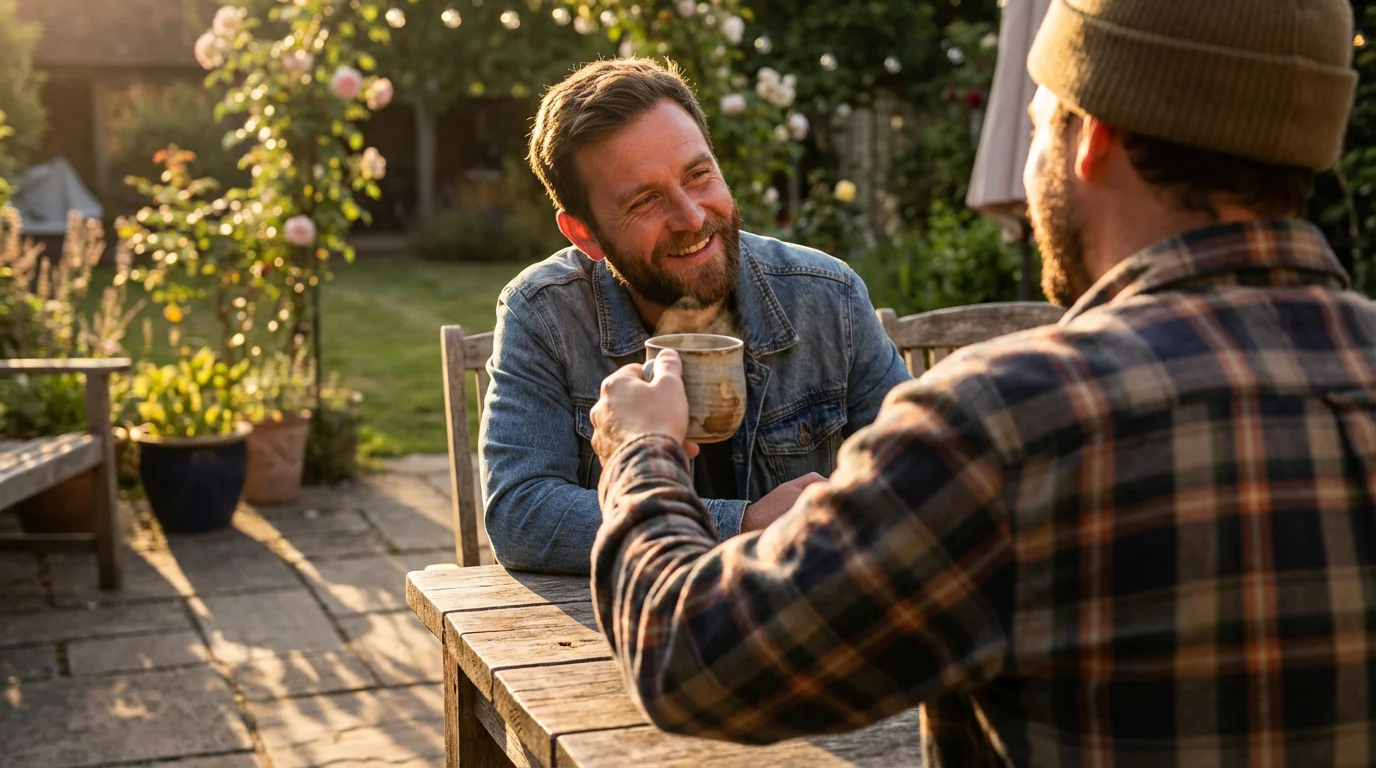
While daily habits nurture relationships, some approaches offer opportunities to deepen connections in truly transformative ways. These strategies often require a bit more intentionality and vulnerability, yielding profound rewards.
Expressing deep appreciation for your shared history is a wonderful first step toward sharing your wisdom and values with the next generation.
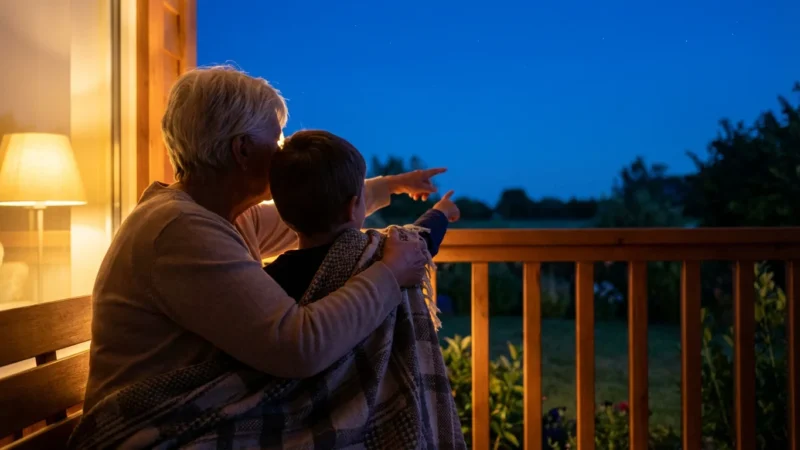
This thoughtful approach is particularly helpful when communicating with younger family members, ensuring that wisdom and appreciation are shared across generations.
Think about moments when you felt deeply appreciated. What made those instances memorable? Often, it was the depth of thought and genuine effort behind the expression.
You can move beyond everyday gratitude by employing these advanced strategies:
- The Gratitude Letter: Compose a heartfelt letter detailing specific ways someone has positively impacted your life. Read it aloud to them if possible, or send it as a cherished keepsake. This act can be profoundly moving for both giver and receiver.
- Creating Shared Gratitude Rituals: Establish a regular practice with loved ones, such as a weekly “gratitude share” during dinner or a monthly check-in where you each name things you appreciate about the other.
- Acknowledging Historical Support: Reflect on pivotal moments where someone stood by you, offered guidance, or provided unwavering support. Express gratitude for their long-term presence and influence. This validates your shared history.
- Using Technology Thoughtfully: Leverage video calls to connect with distant loved ones and express your appreciation face-to-face. Record a personalized video message or create a digital photo album with captions describing your gratitude for shared memories.
- Gift with Intent: Rather than generic presents, choose gifts that specifically reflect your understanding of the person and their needs or desires, accompanied by a note explaining your thoughtful choice.
These methods create lasting impressions, reinforcing the enduring value of your relationships. They require you to delve deeper into your feelings and articulate them with precision and warmth.

Overcoming Obstacles to Expressing Gratitude
Even with the best intentions, you might encounter barriers to consistently expressing gratitude. Life’s demands, ingrained habits, or even past experiences can sometimes make appreciation feel less accessible. Recognizing these obstacles is the first step toward overcoming them.
Proactively addressing these social hurdles is a key component of combating loneliness and maintaining a vibrant social life.
One common hurdle is busyness or forgetfulness. In a fast-paced world, you might simply forget to pause and acknowledge the good. Another obstacle can be a fear of vulnerability, worrying that expressing deep feelings might make you feel exposed or awkward.
Past hurts or unresolved issues in a relationship can also make expressing gratitude challenging. It might feel disingenuous to praise someone when underlying tensions exist. Addressing these deeper issues, even gently, can pave the way for more authentic appreciation.
Consider what holds you back from expressing gratitude more often. Is it a lack of time, a sense of self-consciousness, or perhaps an unspoken expectation that others already know how you feel?
To overcome these:
- Set Reminders: Use your phone or a journal to prompt daily or weekly gratitude expressions.
- Practice Small Steps: Start with easy, low-stakes expressions. A quick text or a simple “thank you” can build confidence.
- Cultivate Authenticity: Begin by reflecting on genuine feelings of appreciation. Your sincerity will naturally shine through.
- Communicate Intent: If you feel awkward, you can preface your expression with, “I’ve been thinking about this recently, and I wanted to tell you how much I appreciate…”
Remember, consistency and authenticity are far more important than perfection. Every effort you make, no matter how small, contributes to stronger bonds.
The Ripple Effect: Gratitude Beyond Your Inner Circle
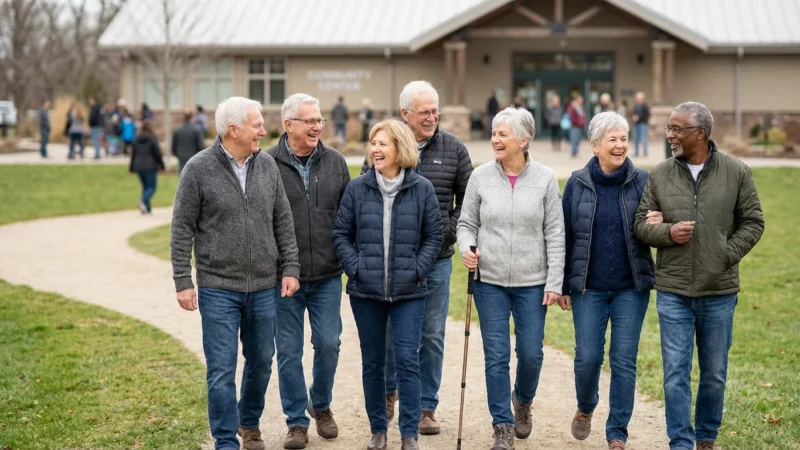
The power of gratitude extends far beyond your immediate family and friends, creating a positive ripple effect throughout your broader community. Expressing appreciation to acquaintances, service providers, and community members elevates the collective spirit. It fosters a more connected and compassionate environment for everyone.
Think about the cashier who always greets you with a smile, the postal worker who reliably delivers your mail, or the volunteers who maintain local parks. Acknowledging their contributions, however small, affirms their humanity and the value of their work. This type of recognition strengthens the social fabric.
“Age is an issue of mind over matter. If you don’t mind, it doesn’t matter.”
This sentiment applies equally to how you approach community interactions. A grateful mindset transforms anonymous transactions into moments of human connection. Psychology Today’s insights on aging often highlight the importance of social engagement for well-being, and expressing gratitude is a direct pathway to more meaningful engagement.
Volunteering is another powerful way to express gratitude for the resources and opportunities you have received throughout your life. By giving your time and skills, you appreciate the community that has supported you. Organizations like Encore.org celebrate individuals who find purpose in giving back, highlighting the profound satisfaction that comes from contributing to the greater good.

Cultivating a Lifestyle of Appreciation
Moving beyond sporadic acts, you can embed gratitude into the very fabric of your daily existence, transforming it into a way of life. This shift in perspective profoundly impacts your personal contentment and the richness of your relationships. It is about intentionally seeking out the good, even amidst challenges.
Cultivating a lifestyle of appreciation involves regular practices that train your mind to notice and value positive experiences. It means shifting your focus from what might be lacking to the abundance that surrounds you. This mindful approach fosters resilience and a more optimistic outlook.
Consider these practices for fostering a grateful lifestyle:
- Gratitude Journaling: Dedicate a few minutes each day to writing down three to five things you are genuinely grateful for. Be specific. This practice trains your brain to actively seek out positives.
- Mindful Moments: Pause throughout your day to consciously appreciate simple pleasures: the warmth of your morning coffee, the beauty of a sunset, the comfort of a good book. Engage all your senses in these moments.
- The “Gratitude Walk”: Take a stroll with the specific intention of noticing things you are grateful for: a blooming flower, a friendly wave from a neighbor, the sound of birdsong.
- Express Gratitude to Yourself: Acknowledge your own strengths, efforts, and resilience. Self-compassion is a crucial component of overall well-being.
- Practice Positive Reframing: When faced with a challenge, consciously look for the lesson, the opportunity for growth, or the silver lining. This does not diminish the difficulty, but it balances your perspective.
These consistent efforts transform gratitude from an action into an integral part of your identity. You become a person who naturally sees the good, and this positive energy radiates into all your relationships, strengthening them with every mindful breath.
Cultivating gratitude is a journey, not a destination. It is a continuous practice that deepens with age, wisdom, and intention. By consistently expressing appreciation, you not only strengthen your relationships but also enrich your own life, embracing your golden years with grace, purpose, and profound connection.
Frequently Asked Questions
How does gratitude strengthen relationships?
Gratitude strengthens relationships by fostering a sense of mutual appreciation and value. When you express appreciation, you acknowledge the positive impact others have on your life, which builds trust, empathy, and resilience. This consistent positive reinforcement deepens emotional bonds and encourages reciprocal kindness, creating a more loving and supportive connection.
What are some practical ways to express gratitude daily?
Practical daily expressions of gratitude include offering specific verbal affirmations, like a heartfelt “thank you” for a particular action. You can also perform small acts of service, such as helping with a task, or dedicate quality time by truly listening without distraction. Thoughtful gestures, like a small note or a shared experience, also communicate appreciation effectively.
Is it ever too late to start expressing gratitude in long-term relationships?
It is never too late to begin expressing gratitude in any relationship, regardless of its duration. In fact, intentionally cultivating appreciation can re-energize long-term connections, reminding both parties of the foundational strengths and shared history. Consistent, heartfelt expressions can mend old wounds, foster new closeness, and enhance overall relationship satisfaction.
How does a gratitude practice benefit my personal well-being?
Cultivating gratitude significantly enhances personal well-being. It shifts your focus from what might be lacking to the abundance present in your life, reducing stress and improving mood. Regular gratitude practices, such as journaling or mindful appreciation, can boost optimism, resilience, and even physical health outcomes, contributing to a more fulfilling and graceful retirement.
Disclaimer: This article is for informational and inspirational purposes. Life decisions are deeply personal, and we encourage readers to consult with appropriate professionals—whether healthcare providers, counselors, or financial advisors—for guidance specific to their circumstances.



Leave a Reply