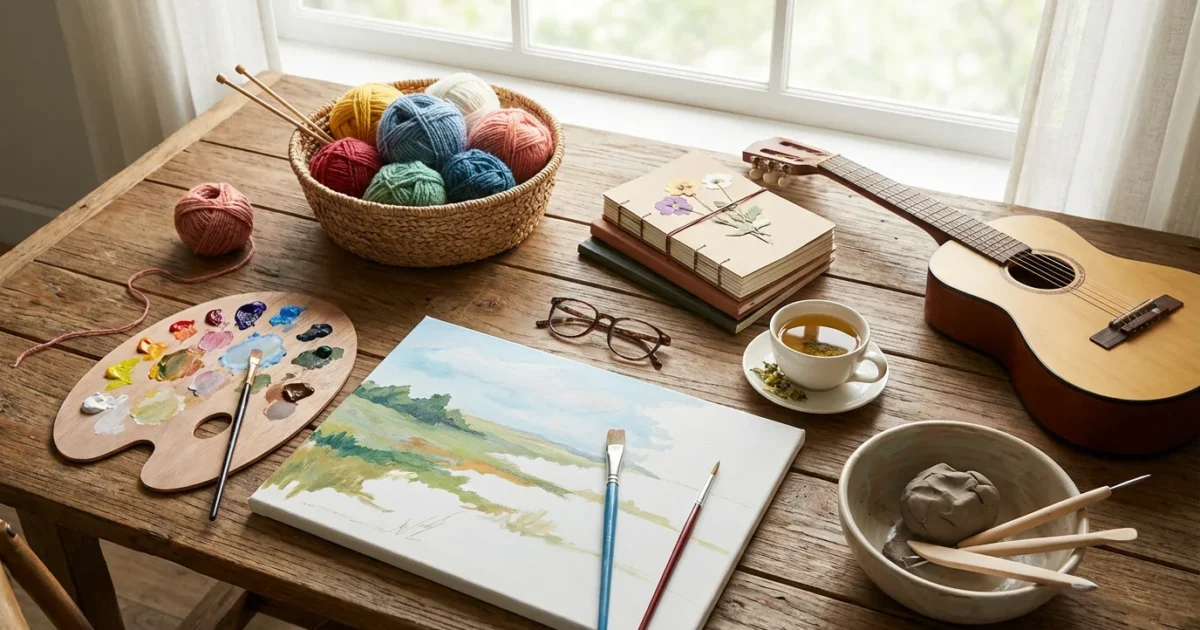
The journey of retirement offers a profound opportunity for rediscovery and growth. As you transition from the demands of a career, a new landscape of time and possibility unfolds. This chapter invites you to explore passions, nurture interests, and cultivate a vibrant sense of purpose. Embracing `retirement creativity` allows you to tap into an inherent human desire for expression, transforming your golden years into a canvas of meaningful activity.
Unleashing Your Inner Artist: Why Creative Pursuits Matter
Retirement provides the ideal environment for cultivating your creative spirit. This is not merely about occupying your time, but about enriching your life with profound experiences. Engaging in `artistic hobbies` fuels personal growth, fostering a deeper connection with yourself and the world around you. You gain a unique avenue for self-expression, allowing hidden talents or long-dormant interests to flourish.
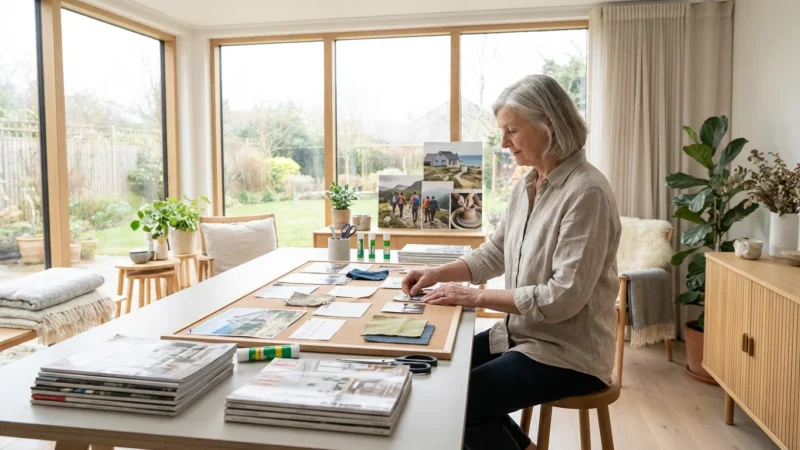
To better understand your creative aspirations, consider crafting a retirement vision board to visualize the artistic paths you wish to explore.
Many people view retirement as a time for relaxation, but it is also a powerful period for active engagement. Creative endeavors offer a dynamic way to stay mentally stimulated and emotionally connected. Consider the myriad ways purposeful activity contributes to overall well-being.
“The object of art is not to reproduce reality, but to create a reality of the same intensity.” — Alberto Giacometti
The Tangible Benefits of Artistic Engagement
Exploring `what creative hobbies are beneficial` reveals a wealth of advantages extending far beyond the finished product. These activities contribute significantly to cognitive health, emotional resilience, and social connections. Scientific evidence consistently supports the positive impact of creative engagement on aging adults.
Participating in group workshops or community arts centers serves as a powerful strategy for combating social isolation and building new support networks.
Engaging in these artistic endeavors is more than just a hobby; it is a vital part of prioritizing your self-care as you navigate the transition into retirement.
Research from sources like the National Institute on Aging indicates that participating in mentally stimulating activities helps maintain cognitive function. Artistic pursuits challenge your brain in unique ways, strengthening neural pathways and improving memory. This active engagement helps keep your mind sharp and agile.
Beyond cognitive benefits, creative outlets offer powerful emotional support. They provide a constructive way to process emotions, reduce stress, and cultivate mindfulness. The act of creation itself can be deeply meditative, offering a sense of calm and accomplishment.
Consider these key benefits:
- Enhanced Cognitive Function: Artistic tasks, such as learning a new skill or problem-solving within a creative project, stimulate various parts of the brain. This helps improve memory, attention span, and executive functions.
- Stress Reduction: Focusing on a creative activity can act as a powerful antidote to daily stressors. The flow state experienced during creation promotes relaxation and mental well-being.
- Emotional Expression: Art provides a non-verbal language for expressing complex emotions, joys, and challenges. This allows for healthy emotional processing and self-discovery.
- Increased Self-Esteem: Completing an artistic project, regardless of its perceived quality, instills a strong sense of accomplishment and pride. This boosts confidence and self-worth.
- Social Connection: Many artistic hobbies lend themselves to group settings, fostering new friendships and community involvement. Sharing your passion connects you with like-minded individuals.
- A Sense of Purpose: Creative projects offer goals to pursue and problems to solve, providing a renewed sense of purpose and direction in retirement. This combat feelings of aimlessness.

Overcoming Hesitations and Embracing the Journey
Many individuals hesitate to `discover new creative hobbies`, feeling they lack natural talent or experience. You might recall childhood art classes with trepidation, or believe that creativity belongs only to a select few. This perspective often misses the point of artistic exploration in retirement. The goal is not perfection or professional mastery, but rather the joy of the process and the benefits of engagement.
Approach your new creative practice by cultivating a sense of gratitude for the gift of time and the freedom to experiment without judgment.
Reframe your perspective from achieving a masterpiece to embracing the learning curve. Every artist, regardless of skill level, begins with curiosity and a willingness to experiment. Focus on the personal satisfaction derived from creation, not on external validation. Your unique expression is the most valuable aspect of your creative journey.
Think about these questions to help overcome your inner critic:
- What activities genuinely spark your curiosity, even if you have no prior experience?
- What childhood hobbies did you enjoy that you might want to revisit?
- Are you seeking an activity primarily for relaxation, social connection, or mental challenge?
- What fears prevent you from trying something new, and how can you gently challenge those fears?
A Tapestry of Artistic Hobbies: Curated Recommendations
The world of artistic expression offers an immense array of possibilities. To help you `discover new creative hobbies`, we have curated a selection of popular and enriching `artistic hobbies` that are particularly well-suited for retirement. Each offers unique benefits and avenues for personal growth.
Visual Arts: Expressing Through Sight and Color
Visual arts provide a direct pathway for expressing your inner world through tangible forms. These activities engage your senses, refine motor skills, and invite you to see the world with fresh eyes.
- Painting and Drawing: Whether with watercolors, acrylics, oils, or simple pencils, `painting` and drawing offer boundless opportunities. You can capture landscapes, portraits, still life, or delve into abstract expression.
- Why it’s beneficial: Enhances observational skills, improves hand-eye coordination, and provides a powerful outlet for emotional release. Learning color theory or perspective stimulates cognitive function.
- Getting Started: Enroll in a local class, watch online tutorials, or simply buy a sketchbook and some basic supplies. Don’t worry about perfection, just enjoy the process of making marks on a page.
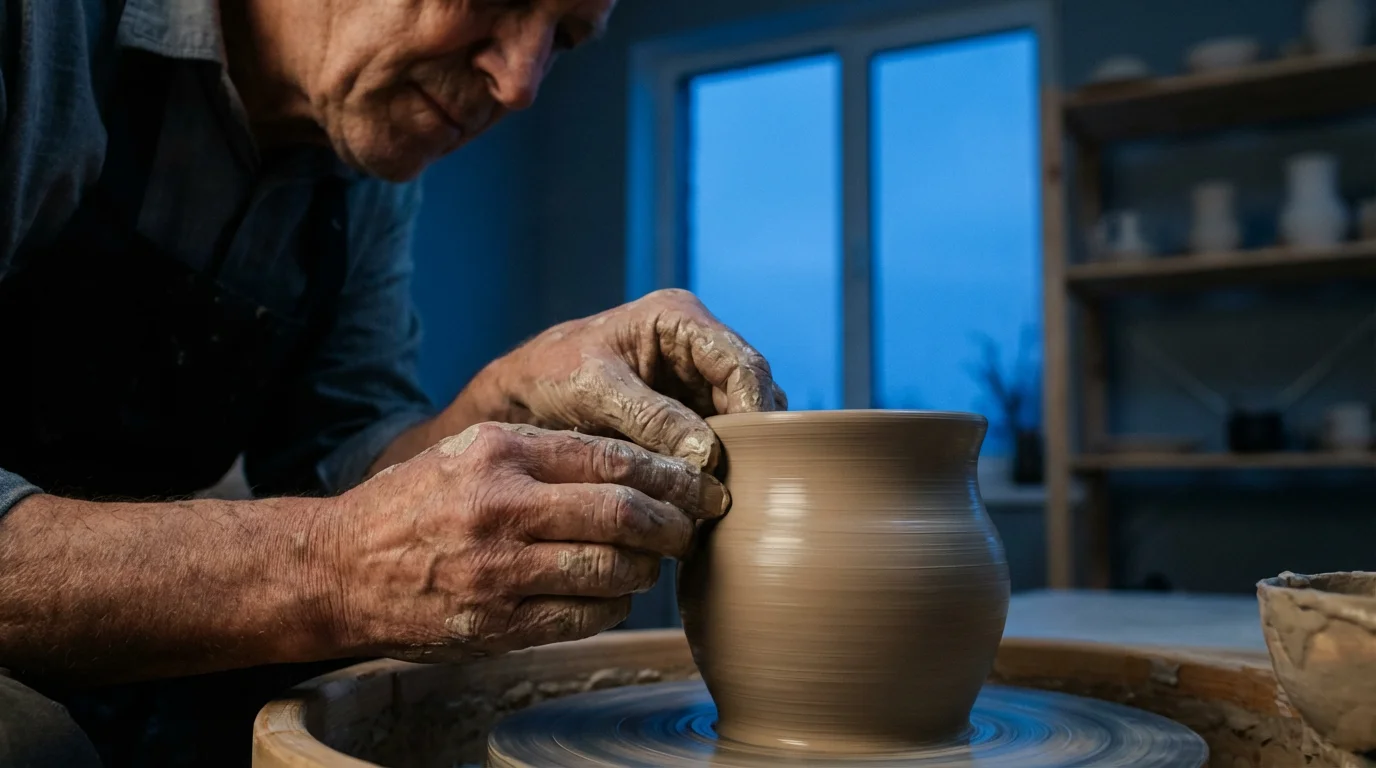
- Sculpture and Pottery: Working with clay, wood, or other materials allows you to create three-dimensional forms. Pottery, in particular, combines artistic expression with practical skill.
- Why it’s beneficial: Engages tactile senses, improves dexterity, and provides a meditative focus. The physical act of molding and shaping can be deeply satisfying.
- Getting Started: Look for community art centers or studios offering introductory pottery or sculpture workshops. Many provide tools and kilns.
- Photography: The art of capturing moments allows you to document your world, express your unique perspective, and notice beauty in the everyday. Digital photography makes it accessible to everyone.
- Why it’s beneficial: Encourages exploration of your surroundings, sharpens observation, and offers a portable creative outlet. Learning editing software also provides a new mental challenge.
- Getting Started: Use your smartphone camera to practice composition, light, and subject matter. Many online courses and local photography clubs offer guidance.
Performing Arts: Finding Your Rhythm and Voice
The performing arts offer dynamic ways to connect with others and express yourself through movement, sound, and storytelling. These activities often involve collaboration and audience engagement.
- Learning a Musical Instrument: It is never too late to learn to play the piano, guitar, ukulele, or any instrument that calls to you. Many resources exist for adult learners.
- Why it’s beneficial: Boosts cognitive function, improves memory, and enhances coordination. Playing music is often a social activity, connecting you with bands or ensembles. Research from Harvard Health indicates the robust cognitive benefits of learning musical instruments.
- Getting Started: Find a local music teacher, use online learning apps, or join a beginner’s group. Many communities have orchestras or bands welcoming new members.
- Singing or Choir: Lending your voice to a song, whether solo or as part of a choir, can be incredibly uplifting and therapeutic.
- Why it’s beneficial: Improves breath control, reduces stress, and fosters a strong sense of community. Singing in a group creates beautiful harmonies and shared experiences.
- Getting Started: Look for local community choirs, church groups, or vocal lessons. Most choirs welcome singers of all experience levels.
- Dance and Movement: From ballroom to folk, ballet to contemporary, dance is a joyous way to express yourself, stay active, and connect with others.
- Why it’s beneficial: Enhances balance, coordination, flexibility, and cardiovascular health. It is a fantastic way to meet new people and experience cultural traditions.
- Getting Started: Explore local dance studios, community centers, or senior centers offering beginner classes. Focus on enjoyment and movement, not perfection.
Literary Arts: Crafting Narratives and Poetry
For those who love words, literary arts provide a profound way to explore ideas, share experiences, and leave a legacy. These activities engage your intellect and imagination.
- Creative Writing (Fiction, Non-fiction, Memoir): Penning stories, reflecting on life experiences, or documenting your family history allows for deep introspection and expression.
- Why it’s beneficial: Enhances critical thinking, organizes thoughts, and provides a powerful outlet for personal narrative. It helps preserve memories and share wisdom.
- Getting Started: Join a writing workshop, find an online critique group, or simply commit to journaling daily. Start small and let your ideas flow.
- Poetry: Exploring the concise beauty of poetry challenges you to choose words with precision and evoke strong emotions in compact forms.
- Why it’s beneficial: Develops a keen appreciation for language, encourages metaphorical thinking, and offers a unique way to express complex feelings.
- Getting Started: Read diverse poets, attend open mic nights, or try a poetry writing prompt from a book or website.
- Storytelling and Oral History: Sharing personal anecdotes, family lore, or local history keeps narratives alive and connects generations.
- Why it’s beneficial: Strengthens memory recall, sharpens communication skills, and fosters intergenerational bonds. Your stories hold immense value.
- Getting Started: Practice telling stories to family and friends. Look for local storytelling guilds or community events where you can share.
Craft and Maker Arts: Hands-On Creation
Crafts and maker arts combine creativity with practical skills, often resulting in beautiful, functional objects. These activities are particularly satisfying for those who enjoy working with their hands.
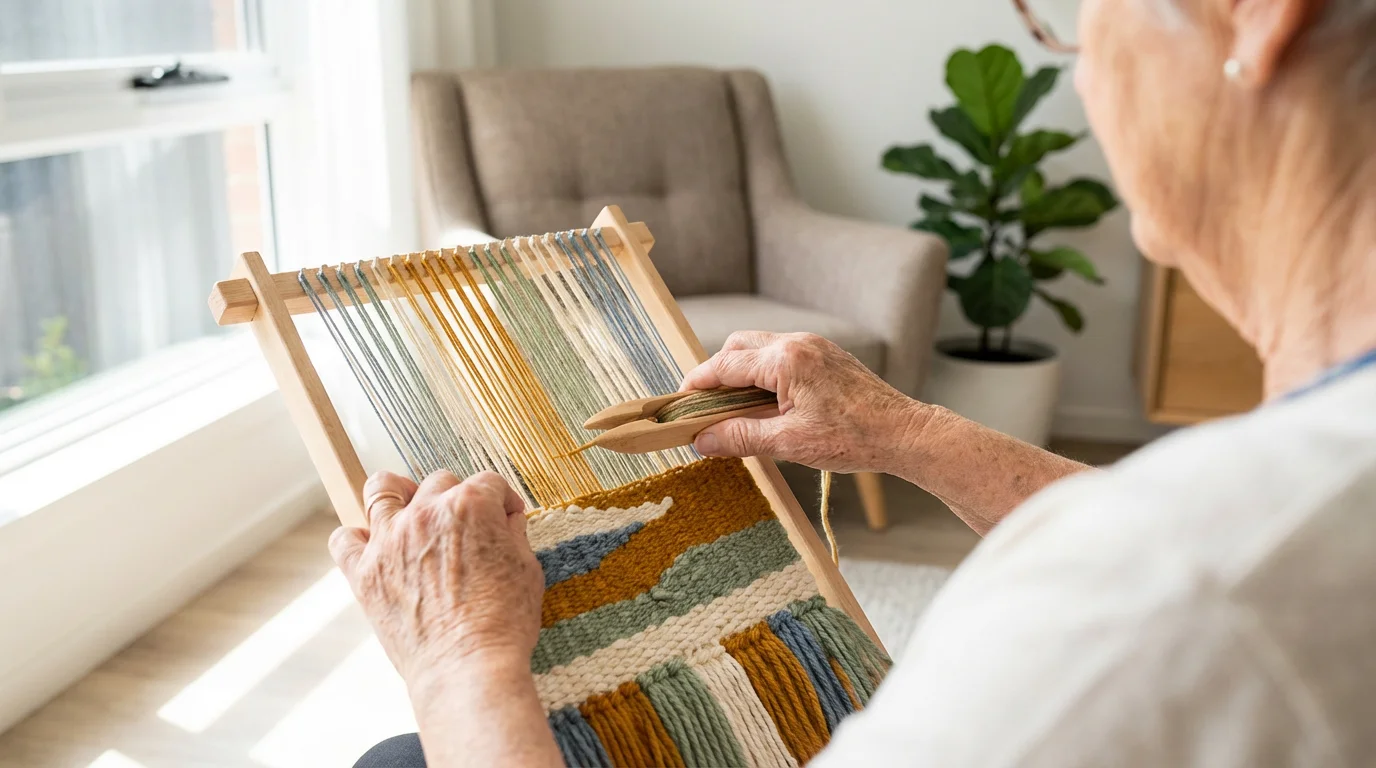
- Knitting, Crocheting, Quilting: Textile arts are meditative, portable, and produce comforting, beautiful items. They are also rich in tradition and community.
- Why it’s beneficial: Improves fine motor skills, reduces stress through repetitive motions, and fosters a sense of accomplishment. Sharing creations can be very rewarding.
- Getting Started: Many yarn stores offer beginner classes. Online tutorials and community groups make learning accessible.
- Woodworking and Furniture Making: For those who appreciate precision and craftsmanship, woodworking offers the chance to create lasting pieces, from intricate carvings to functional furniture.
- Why it’s beneficial: Enhances problem-solving skills, improves spatial reasoning, and results in tangible, useful objects. Working with natural materials is grounding.
- Getting Started: Look for local community workshops or adult education classes that offer safe environments and guidance for beginners.
- Jewelry Making: Designing and creating jewelry allows for personal expression through various materials, from beads to metals.
- Why it’s beneficial: Boosts fine motor skills, encourages design thinking, and allows for the creation of unique gifts or personal adornments.
- Getting Started: Purchase a beginner’s kit, watch online tutorials, or enroll in a local bead store class.
Digital Arts: Exploring Modern Canvases
The digital age offers new and exciting avenues for creative expression, often with accessible tools and vast communities. These options can bridge the gap between traditional art forms and modern technology.
- Digital Painting and Graphic Design: Using tablets and software, you can create stunning digital artworks, illustrations, or even design personal greeting cards and invitations.
- Why it’s beneficial: Expands your creative toolkit, offers endless possibilities for experimentation without material costs, and keeps you engaged with technology.
- Getting Started: Explore free drawing apps or affordable software. Many online platforms offer tutorials specific to digital art.
- Video Editing and Storytelling: Crafting short films, family documentaries, or travel videos allows you to weave narratives with visual and auditory elements.
- Why it’s beneficial: Develops storytelling skills, technical proficiency, and offers a dynamic way to preserve memories and share experiences.
- Getting Started: Use free video editing software on your computer or phone. Many YouTube channels offer step-by-step guides for beginners.
Practical Steps to Ignite Your Creative Journey
Embarking on a new `retirement creativity` adventure requires a few practical considerations. Starting small and allowing yourself to experiment without pressure makes the process more enjoyable and sustainable.
Here are actionable steps to begin your artistic exploration:
- Start Small and Experiment: You do not need to invest in expensive equipment or commit to a lengthy course immediately. Buy a simple watercolor set, a journal, or download a free music app. Experiment with different `artistic hobbies` to see what resonates.
- Seek Local Resources: Community centers, libraries, art studios, and senior centers often offer introductory classes, workshops, or open studio times. These environments provide instruction, supplies, and a social network.
- Leverage Online Learning: Platforms like YouTube, Skillshare, and Coursera offer a vast array of tutorials and courses on almost any creative skill. This allows you to learn at your own pace from the comfort of your home.
- Join a Community: Finding like-minded individuals can enhance your creative journey immensely. Join local art groups, book clubs, or online forums. Sharing your work and learning from others fosters encouragement and inspiration. Encore.org, for instance, celebrates opportunities for older adults to engage in meaningful ways, including creative pursuits.
- Create a Dedicated Space: Even a small corner of a room can become your creative sanctuary. Having a designated area for your `artistic hobbies` signals to yourself that this pursuit is important and worthy of your time.
- Embrace Imperfection: The most significant barrier to creativity is often the fear of not being good enough. Release the need for perfection and instead, savor the process of learning, trying, and simply making. Every stroke, note, or word is part of your unique expression.
Frequently Asked Questions
Is it truly possible to start a new creative hobby in retirement, even with no prior experience?
Absolutely. Retirement is an ideal time for new beginnings. Your wealth of life experience, patience, and newfound time provide a perfect foundation for learning any `artistic hobbies`. Many adults find deep satisfaction in acquiring skills they never thought possible.
Do I need natural talent to enjoy artistic pursuits?
No, natural talent is not a prerequisite for enjoying `retirement creativity`. The primary purpose of engaging in `artistic hobbies` is for personal fulfillment, mental stimulation, and emotional well-being. Focus on the joy of the process and the benefits it brings, not on achieving professional-level skill.
What are some of the best creative hobbies for beginners in retirement?
For beginners, consider hobbies that have a low barrier to entry and readily available resources. Options include drawing with pencils, journaling, photography with a smartphone, learning the ukulele, simple knitting, or exploring digital art apps. These allow you to `discover new creative hobbies` without significant initial investment.
How do creative hobbies impact brain health as we age?
Creative hobbies significantly impact brain health by stimulating cognitive functions such as memory, problem-solving, and attention. Engaging in complex tasks like `painting` or learning an instrument helps create new neural pathways, promoting neuroplasticity and potentially delaying cognitive decline.
Where can I find local communities or classes for artistic hobbies?
Local resources are abundant. Check your community center, public library, senior centers, local art schools, and craft stores for classes and workshops. Online searches for “art classes near me” or “retirement activities [your city]” often yield excellent results for `artistic hobbies`.
The creative journey in retirement is a testament to the enduring human spirit. It is an invitation to celebrate your unique voice, explore new dimensions of self, and enrich your life with purpose and beauty. Embrace the opportunity to discover your hidden talents, connect with vibrant communities, and live out your golden years with grace, dignity, and a brushstroke of boundless creativity.
Disclaimer: This article is for informational and inspirational purposes. Life decisions are deeply personal, and we encourage readers to consult with appropriate professionals—whether healthcare providers, counselors, or financial advisors—for guidance specific to their circumstances.


Leave a Reply