

As you embrace the richness of your golden years, the quality of your sleep becomes an even more profound cornerstone for your well-being. A restful night recharges your spirit, sharpens your mind, and invigorates your body, allowing you to greet each day with purpose and grace. Sleep is not merely a passive state, it is an active period of restoration vital for maintaining cognitive function, emotional balance, and physical vitality. This guide empowers you to transform your bedroom into a true sleep sanctuary, a personalized haven designed for optimal rest and rejuvenation.
Just as dressing with confidence elevates your daily outlook, creating an intentional bedroom environment honors your need for comfort and beauty.

The Foundation of Rest: Why Sleep Matters More Now
The rhythm of life shifts as we age, and with it, our sleep patterns often evolve. You may find yourself waking earlier, or experiencing lighter sleep than in younger years. These changes do not diminish sleep’s importance, rather, they highlight the critical need to prioritize and protect your rest. Good sleep hygiene directly impacts your capacity for joyful living, enabling clear thinking, energetic engagement, and a resilient spirit.
Consider the myriad ways proper rest supports your graceful retirement. It bolsters your immune system, strengthens your memory, and improves your mood. When you sleep well, you possess more patience for nurturing relationships and greater enthusiasm for pursuing new passions. You stand equipped to embrace each day’s opportunities with vigor and clarity. Stanford’s Center on Longevity highlights how maintaining healthy lifestyle habits, including sleep, significantly contributes to a vibrant later life, empowering you to live your best years with purpose and vitality.

Assessing Your Current Sleep Environment: A Mindful Inventory
Before you begin transforming your space, take a moment for mindful observation. Walk into your bedroom with fresh eyes, as if seeing it for the first time. What sensations does it evoke? Is it a place of calm and comfort, or one of distraction and disarray? This initial assessment forms the crucial first step in creating your personalized sleep sanctuary.
Ask yourself these reflective questions:
- Does your bedroom feel inviting and serene, or cluttered and chaotic?
- Do unwanted lights, sounds, or temperatures disturb your sleep?
- Does your mattress provide adequate support and comfort, or do you wake with aches?
- Is your bedroom primarily for sleep and intimacy, or has it become a multi-purpose room for work, entertainment, or exercise?
- What emotions arise when you enter your bedroom at the end of the day?
Your honest answers illuminate areas ripe for improvement. This deliberate pause allows you to understand your current sleep environment from a holistic perspective. Remember, the goal is not perfection, but intentionality, crafting a space that truly serves your need for deep rest.

Optimizing Your Mattress and Pillows: The Core of Comfort
Your mattress and pillows are the foundational elements of your sleep sanctuary. They provide direct support to your body throughout the night, significantly influencing your comfort and spinal alignment. Investing in these items ensures your physical well-being remains a top priority, allowing your body to fully relax and repair.
Consider these practical steps:
- Evaluate Your Mattress: Most mattresses have a lifespan of 7-10 years. If yours sags, creaks, or leaves you feeling sore, it likely needs replacing. Look for a mattress that offers both support and pressure relief, tailored to your preferred sleeping position.
- Test for Support: Lie down in your typical sleeping position. Your spine should maintain a natural alignment, neither arching excessively nor sinking too deeply. If possible, test mattresses in person to find the ideal firmness and material for your body.
- Choose the Right Pillows: Your pillow supports your head and neck, filling the gap between your head and shoulders. Side sleepers generally need thicker pillows, back sleepers medium, and stomach sleepers thinner ones. Replace pillows every 1-2 years, as they lose support and accumulate allergens.
- Consider Adjustable Beds: For some, an adjustable bed base offers significant benefits, allowing you to elevate your head or feet. This can alleviate issues like acid reflux, snoring, or back pain, enhancing overall comfort and sleep quality.
Selecting the right mattress and pillows is a personal decision, but a vital one. They contribute immensely to your overall sleep hygiene, setting the stage for truly restorative rest.
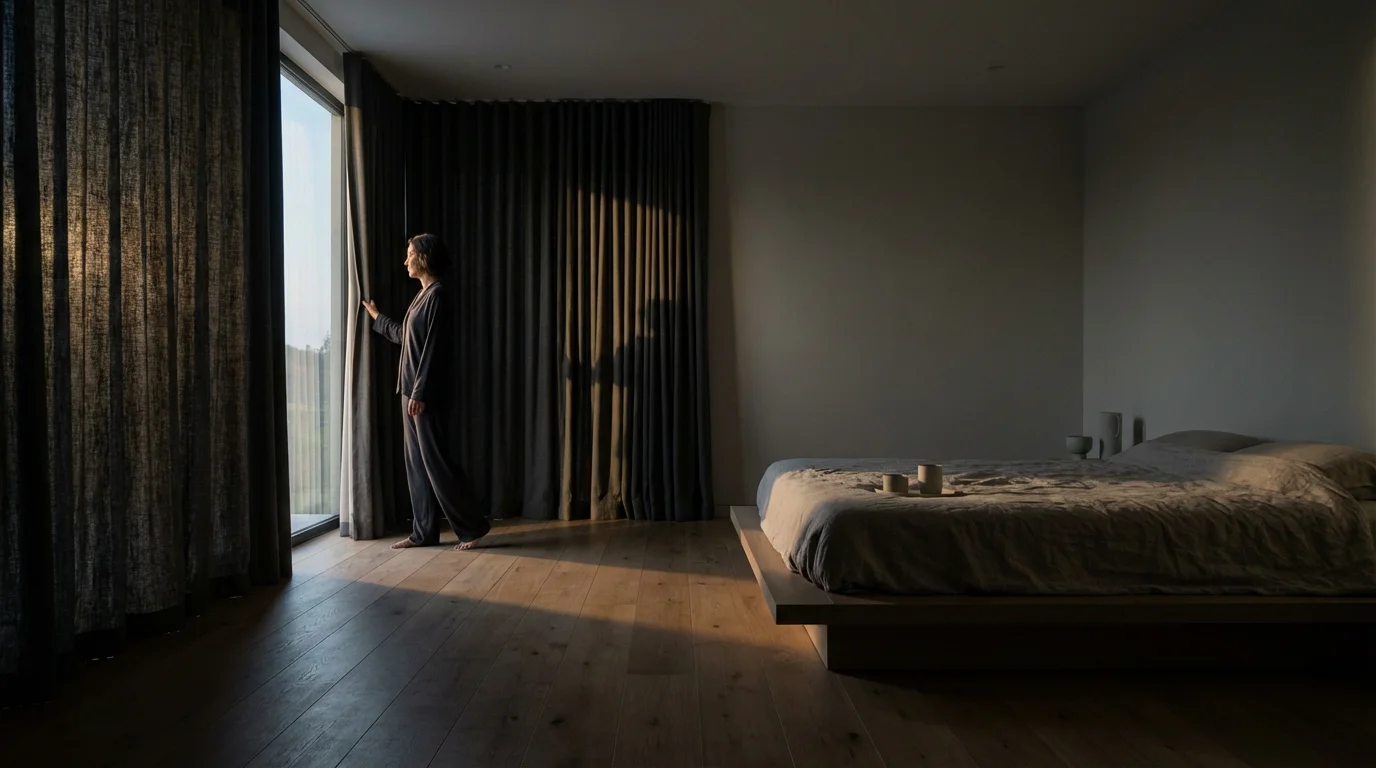
Mastering Light: Embracing Darkness for Deeper Sleep
Light plays a powerful role in regulating your body’s natural sleep-wake cycle, your circadian rhythm. Exposure to light, especially blue light from screens, signals to your brain that it is daytime, suppressing melatonin production. To create a true sleep sanctuary, you must cultivate darkness, signaling to your body that it is time to wind down and rest deeply.
Implement these actionable strategies:
- Blackout Curtains or Shades: Install opaque window coverings that block out all external light. Even small amounts of light from streetlamps or passing cars can disrupt sleep.
- Eliminate Ambient Light: Cover or remove any electronics with glowing lights, such as alarm clocks, phone chargers, or power strips. A small piece of electrical tape can effectively hide persistent LEDs.
- Dim Lights in the Evening: Start dimming your home’s lights an hour or two before bedtime. Use warm, low-wattage bulbs in your bedroom.
- Avoid Blue Light: Cease using smartphones, tablets, computers, and televisions at least 60-90 minutes before sleep. The blue light emitted by these devices interferes with melatonin production, making it harder to fall asleep. Research from Harvard Health underscores the impact of evening light exposure on sleep patterns.
Embracing darkness allows your body to naturally prepare for sleep, promoting deeper and more consistent rest. You empower your body’s inherent wisdom to guide you into tranquil slumber.
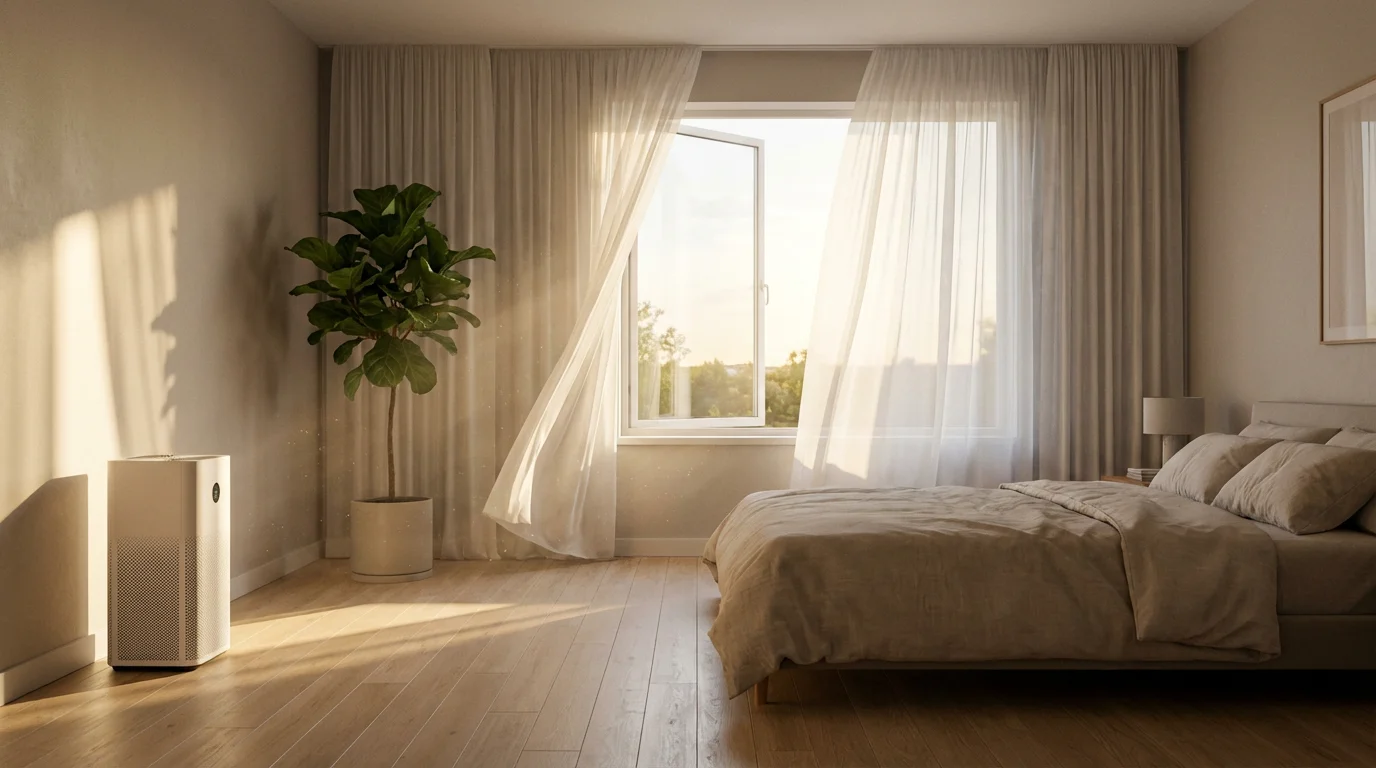
Controlling Temperature and Air Quality: Your Breath of Fresh Rest
Your body temperature naturally dips slightly during sleep, and a cool, comfortable environment facilitates this process. Overheating or feeling too cold can significantly disrupt your sleep cycle. Furthermore, the air you breathe throughout the night impacts your respiratory health and overall sleep quality.
While gardening for wellness provides fresh air outdoors, using an air purifier ensures your indoor sanctuary remains just as rejuvenating.
Optimize these environmental factors:
- Find Your Ideal Temperature: Most sleep experts recommend a bedroom temperature between 60-67 degrees Fahrenheit (15-19 degrees Celsius). Experiment within this range to discover what feels most comfortable for you.
- Regulate with Thermostats: Utilize a programmable thermostat to automatically adjust your bedroom temperature. This ensures consistent comfort without manual adjustments during the night.
- Improve Air Circulation: Open a window slightly if outside air quality permits, or use a quiet fan to circulate air. Good airflow prevents stuffiness and helps maintain a comfortable temperature.
- Consider an Air Purifier: If you suffer from allergies, asthma, or live in an area with poor air quality, a HEPA air purifier can remove airborne irritants. Breathing cleaner air contributes to easier, uninterrupted sleep.
- Manage Humidity: Very dry air can lead to congestion, while overly humid air can feel oppressive. A humidifier or dehumidifier, depending on your climate, can help maintain optimal indoor humidity levels (typically 30-50%).
By consciously managing your bedroom’s temperature and air quality, you create a physical environment that naturally supports your body’s physiological need for restorative sleep. This thoughtful attention to detail transforms your sleep environment.

Minimizing Noise: Cultivating Tranquil Silence
Unwanted noise, whether sudden or continuous, can prevent you from falling asleep, wake you up, or keep your sleep light and fragmented. A true sleep sanctuary fosters quiet, allowing your mind to unwind and your body to relax without interruption. Even if you believe you sleep through noise, your brain often registers it, potentially impacting sleep quality.
To further quiet the mind, many find that cultivating gratitude before bed creates an internal silence that is just as important as external quiet.
Implement strategies for a quieter space:
- Soundproof Your Windows: If street noise is an issue, consider heavy drapes, double-pane windows, or even specialized sound-blocking window inserts.
- Use a White Noise Machine: For unavoidable noises, a white noise machine can provide a consistent, soothing background hum. This masks sudden sounds by creating a uniform soundscape, allowing your brain to habituate to the background noise.
- Wear Earplugs: Simple foam earplugs offer an effective and inexpensive solution for blocking out most external sounds. Experiment with different types to find the most comfortable fit.
- Address Internal Noises: Check for noisy appliances in your home or within the bedroom itself, such as old refrigerators or loud heating units. Address these sources where possible.
- Communicate with Household Members: If you share your home, establish quiet hours. Encourage others to be mindful of noise levels, especially late in the evening.
Cultivating silence requires conscious effort, but the reward of undisturbed sleep is invaluable. You grant your mind and body the peaceful environment they need to fully disengage from the day’s demands.
“The best bridge between despair and hope is a good night’s sleep.” — E. Joseph Cossman

Decluttering and Decorating for Serenity: Your Visual Calm
Your bedroom’s visual appeal and organization profoundly influence your mental state. A cluttered, chaotic room often translates to a cluttered, restless mind. Conversely, a clean, organized, and aesthetically pleasing space promotes calm, inviting relaxation and peaceful contemplation. This aspect of your sleep environment nurtures your emotional and mental well-being, fostering a sense of peace that extends into your waking hours.
The process of downsizing your home often begins with simplifying the most personal rooms to reduce mental weight and physical clutter.
Transform your bedroom’s visual landscape:
- Declutter Ruthlessly: Remove anything that does not serve sleep, rest, or intimacy. This includes work documents, exercise equipment, piles of laundry, and excessive knick-knacks. Less truly is more in a sleep sanctuary.
- Choose Soothing Colors: Opt for calm, neutral colors on your walls, bedding, and décor. Soft blues, greens, grays, and creams promote a sense of tranquility and relaxation.
- Incorporate Natural Elements: Introduce elements like a small plant (ensure it is safe for pets if applicable), natural wood furniture, or a soothing water feature. These bring a touch of nature’s calm indoors.
- Manage Cords and Cables: Tidy up visible electrical cords. Use cable ties or cord organizers to keep them out of sight. Visual clutter adds to mental clutter.
- Personalize with Meaningful Items: A few carefully chosen, cherished items can add warmth and personality without creating clutter. Perhaps a favorite photograph, a piece of art that evokes peace, or a special memento.
By creating a visually harmonious space, you signal to your brain that this room is for rest, not for stimulation. You invest in a peaceful setting that supports deeper relaxation and an improved overall sleep environment.

Creating a Bedtime Ritual: Preparing for the Sanctuary
Your sleep sanctuary is not just a physical space, it is a state of mind. A consistent bedtime ritual prepares both your body and mind for the transition from the day’s activities to restful sleep. This ritual acts as a gentle cue, signaling to your brain that it is time to unwind. It is a cornerstone of effective sleep hygiene, reinforcing the peace you have cultivated in your physical space.
Develop a calming sequence for yourself:
- Establish a Consistent Schedule: Go to bed and wake up at roughly the same time each day, even on weekends. Consistency helps regulate your body’s natural clock.
- Wind Down Activities: Engage in relaxing activities during the hour before bed. This might include reading a physical book, listening to calming music, taking a warm bath, or practicing gentle stretches.
- Avoid Stimulants: Refrain from caffeine and alcohol in the late afternoon and evening. While alcohol might initially induce drowsiness, it often disrupts sleep later in the night.
- Practice Mindfulness or Meditation: A few minutes of quiet contemplation or guided meditation can calm your racing thoughts and bring you into the present moment. Focus on your breath to gently release the day’s concerns.
- Journal Your Thoughts: If your mind races with to-do lists or worries, dedicate 10 minutes to writing them down before bed. This can help clear your mind, preventing these thoughts from occupying you during sleep.
Your bedtime ritual is a personal affirmation of your commitment to self-care and graceful living. It is a powerful practice that complements your optimized sleep environment, guiding you towards profound and rejuvenating rest.
Frequently Asked Questions
How can I improve my sleep environment if I have limited space or budget?
Even with constraints, significant improvements are possible. Focus on the basics: block out light with simple dark fabric, use earplugs for noise, and ensure your bedding is clean and comfortable. Decluttering costs nothing and creates immediate visual calm. Small changes like adding a fan for temperature control or a comfortable eye mask can make a big difference without breaking the bank.
What makes a good sleep sanctuary for seniors specifically?
For seniors, a good sleep sanctuary prioritizes safety, comfort, and accessibility alongside traditional sleep hygiene principles. Ensure clear pathways, adequate lighting for nighttime trips to the bathroom, and consider bed height for easy entry and exit. Focus on a supportive mattress, comfortable pillows, and a quiet, dark, and cool environment. The National Institute on Aging offers valuable insights into healthy sleep habits as you age, emphasizing consistency and a conducive environment.
How often should I clean my sleep sanctuary?
Maintaining cleanliness is crucial for a healthy sleep environment. Wash your bedding, including sheets and pillowcases, weekly. Duvet covers and blankets should be washed every 2-4 weeks. Vacuum or clean your bedroom floors weekly to reduce dust and allergens. Dust surfaces and wipe down light fixtures monthly. Regularly airing out your room by opening a window also contributes to fresh air quality.
Can scents help create a sleep sanctuary?
Yes, certain scents can promote relaxation and enhance your sleep environment. Lavender, chamomile, and bergamot are often associated with calming properties. You can use an essential oil diffuser, a linen spray on your pillows, or a scented candle (extinguished well before sleeping). Ensure any scents are subtle and pleasant, not overwhelming, to avoid irritation.
Disclaimer: This article is for informational and inspirational purposes. Life decisions are deeply personal, and we encourage readers to consult with appropriate professionals—whether healthcare providers, counselors, or financial advisors—for guidance specific to their circumstances.









Leave a Reply