

Retirement opens a grand new chapter, a time for growth, renewed purpose, and deeper connections. Yet, for some, this transition can inadvertently introduce a quiet challenge: loneliness and isolation. These feelings are natural responses to significant life changes, such as leaving a professional identity, relocating, or experiencing shifts in social circles. Recognizing this experience is the first step toward transforming it into an opportunity for richer, more meaningful engagement.
Adopting the habits of highly effective agers can provide a roadmap for navigating this transition with vitality and grace.
Implementing proactive strategies for overcoming isolation can help you navigate this transition with elegance and renewed confidence.
Your golden years offer a unique chance to cultivate the life you truly desire. You possess a wealth of wisdom, experience, and potential. This article provides practical strategies and heartfelt encouragement to help you proactively build a vibrant social life, find fulfilling purpose, and embrace every moment with grace. You can combat loneliness and forge connections that enrich your spirit and invigorate your days.

Understanding the Landscape of Senior Loneliness
Loneliness is a subjective feeling, an unwelcome gap between the connections you desire and the connections you perceive yourself to have. Isolation, on the other hand, describes an objective lack of social contact. Both can profoundly impact your physical and mental well-being in retirement, a period often marked by significant transitions.
Many factors contribute to senior loneliness. Retirement removes the daily social interaction of a workplace, while adult children may live far away. Spouses or close friends may pass away, and physical limitations can make leaving home more challenging. Research consistently highlights the prevalence of these feelings; the National Institute on Aging reports that social isolation and loneliness pose significant health risks for older adults, comparable to smoking, obesity, and physical inactivity. Understanding these dynamics empowers you to address them head-on.
Reclaiming Your Social Fabric: The Power of Intentional Connection
You hold the key to reshaping your social landscape. Combating loneliness requires proactive effort and a willingness to step outside your comfort zone. This process is not about filling a void, rather it is about intentionally weaving a rich tapestry of relationships that reflect your current interests and values. Consider what kind of connections truly nourish you.
Cultivating gratitude for the connections you already have can shift your focus from solitude to the abundance of existing relationships.
Prioritizing the act of maintaining social connections ensures that your retirement remains a time of vibrant engagement rather than solitude.
Beginning with small, deliberate steps can lead to significant changes. Think about the energy you currently invest in your social life. Could you redirect some of that energy toward new avenues? Your intentional choices can dramatically improve your sense of belonging and well-being.

Building Bridges: Engaging with Your Community
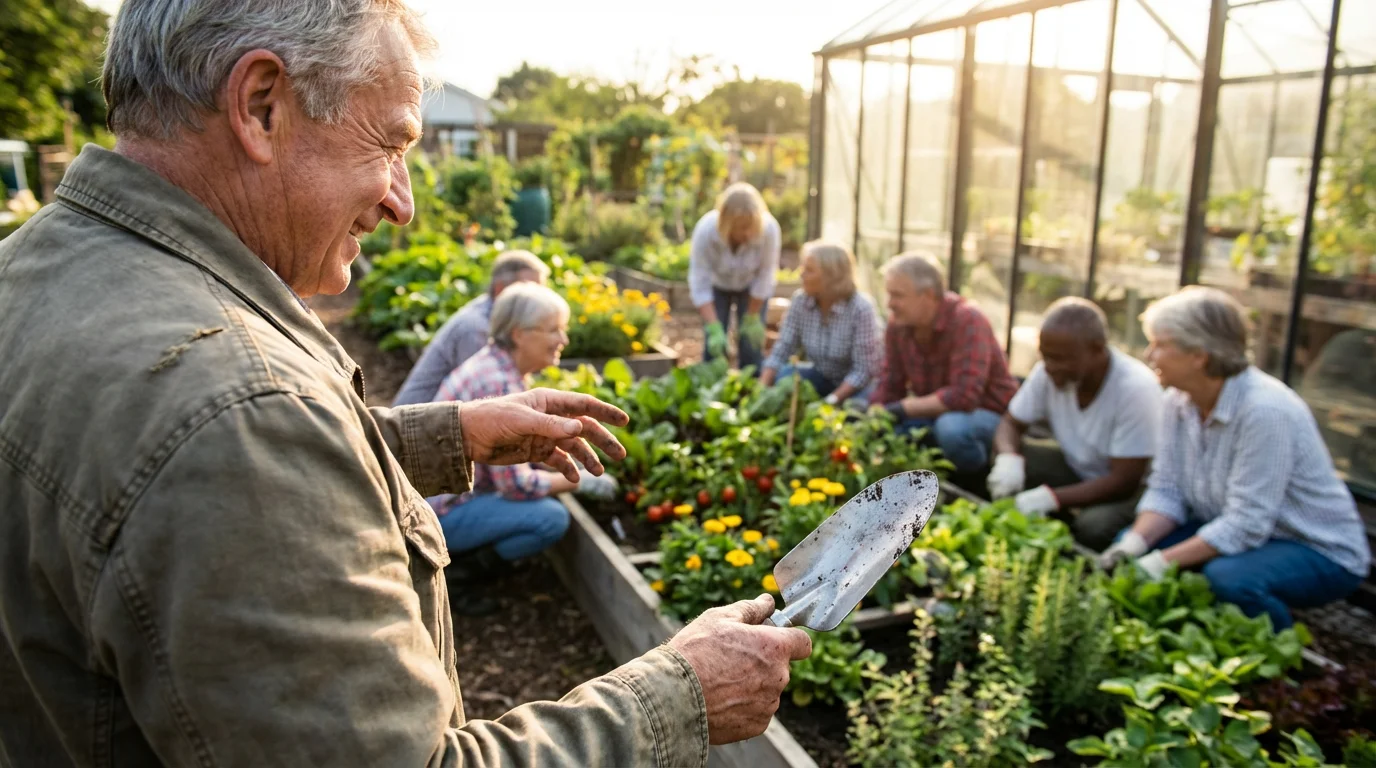
Your local community offers a wealth of opportunities for connection, often right on your doorstep. Actively participating in local life can naturally lead to new friendships and a renewed sense of belonging. Explore what resources and groups exist within your neighborhood and city.
Many communities host senior centers, libraries, and civic organizations specifically designed for individuals in your age group. These venues provide structured activities that make finding friends in retirement a more organic process. Engaging with these groups transforms abstract desires for connection into concrete actions.
Consider these actionable strategies for community engagement:
- Volunteer Your Time: Local charities, hospitals, schools, or animal shelters often seek experienced volunteers. Contributing your skills and time creates a sense of purpose and introduces you to like-minded individuals. Encore.org, for instance, celebrates the power of experienced adults giving back through service.
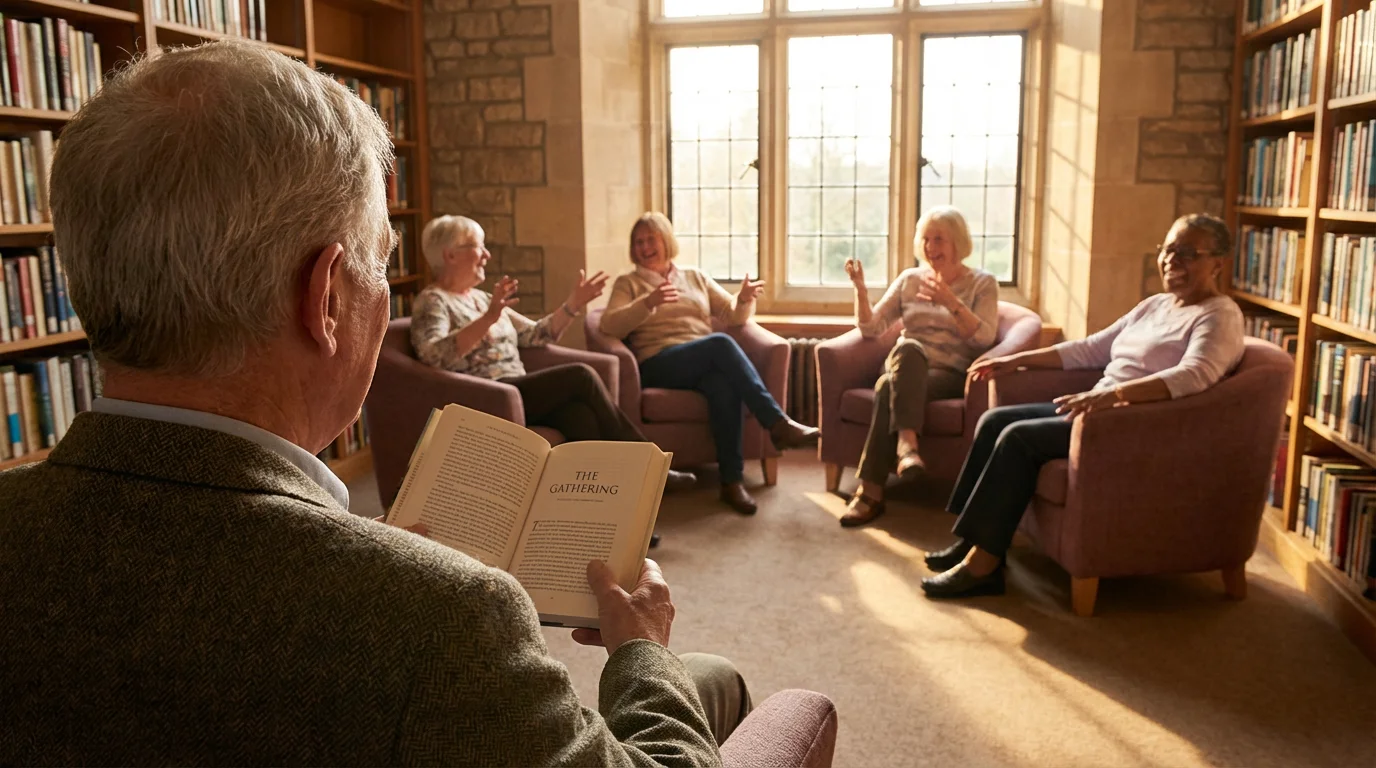
- Join Interest-Based Clubs: Libraries frequently host book clubs, writing groups, or discussion forums. Community centers offer everything from gardening clubs to bridge leagues, art classes, and fitness groups.
- Attend Local Events: Keep an eye on local newspapers or community boards for farmers’ markets, concerts in the park, lectures, or workshops. These casual settings provide low-pressure environments to meet new people.
- Explore a Retirement Community: For some, moving into a retirement community offers an immediate built-in social network. These communities provide diverse activities, shared meals, and opportunities for spontaneous interaction, significantly reducing social isolation.
- Enroll in Continuing Education: Many local colleges or universities offer courses specifically for seniors, often at reduced rates. Learning a new skill or exploring an academic interest provides a stimulating environment for connection.
How does your community invite you to participate? What activity sparks your curiosity? Taking that first step, however small, can open doors to surprising new friendships and experiences.

Embracing Technology for Connection and Learning
Technology, often perceived as a tool for the young, offers powerful avenues for combating loneliness in retirement. It bridges geographical distances and provides platforms for shared interests. Embracing digital tools can significantly expand your social reach and keep you connected to family and friends, even those far away.
Do not feel intimidated by new technologies. Many resources exist to help you learn. Local libraries, community centers, and even tech-savvy family members can provide guidance. The benefits of digital connection often outweigh the initial learning curve.
Here are ways technology can enhance your connections:
- Video Calls with Family and Friends: Platforms like Zoom, FaceTime, or WhatsApp allow you to see and speak with loved ones, making distant relationships feel closer. Schedule regular calls to maintain these vital bonds.
- Join Online Interest Groups: Websites and social media platforms host countless groups dedicated to hobbies like gardening, cooking, genealogy, or travel. These groups allow you to connect with people worldwide who share your passions.
- Online Learning and Workshops: Beyond social groups, many platforms offer online courses on virtually any subject. Engaging in these learning opportunities can introduce you to fellow students and new ideas.
- Utilize Social Media Thoughtfully: Platforms like Facebook can help you reconnect with old friends, share life updates with family, and stay informed about local events. Focus on positive interactions and curate your online experience for well-being.
- Digital Pen Pals: Explore platforms that connect you with people for letter writing or email exchanges based on shared interests. This can be a delightful way to form new friendships at your own pace.
Consider which digital tools could most effectively enhance your current connections. A short online tutorial or a chat with a grandchild might be all you need to get started.
Nurturing Existing Relationships and Forging New Ones
While new connections are important, remember the value of the relationships you already possess. Retirement provides an ideal opportunity to deepen bonds with family, long-time friends, and former colleagues. Simultaneously, actively seeking new friendships enriches your life with diverse perspectives and shared adventures. Both aspects require intention and effort.
While focusing on bonds, addressing difficult family dynamics can also clear the path for more joyful and stress-free interactions.
Think about the people already in your life. Who would you like to spend more time with? What new experiences could you share with them? Forging new friendships requires openness and a willingness to initiate contact.
Actionable steps for nurturing and creating relationships include:
- Reach Out Consistently: Make it a habit to call, text, or email family and friends regularly. Even a short check-in demonstrates care and keeps your relationships vibrant.
- Schedule Regular Gatherings: Plan monthly lunches, coffee dates, or game nights with friends. Consistent meet-ups create anticipation and reinforce your social calendar.
- Revisit Old Friendships: Use social media or a phone book to reconnect with former colleagues, neighbors, or college friends. A simple message can rekindle a long-dormant connection.
- Host Small Get-Togethers: Invite a few people over for tea, a simple meal, or a movie night. Being a host creates a welcoming environment for interaction.
- Say “Yes” More Often: When invited to an event or outing, try to accept, even if you feel hesitant. New experiences often come with new connections.
- Engage in Shared Activities: This is a powerful answer to “what activities reduce isolation?” Join a walking group, a choir, a dance class, or a gardening club. Shared purpose and regular interaction are foundations for friendship.
- Be a Good Listener: When meeting new people, show genuine interest in their stories and experiences. Active listening fosters deeper connections.
“Age is an issue of mind over matter. If you don’t mind, it doesn’t matter.”
This sentiment underscores the importance of a positive mindset when approaching new social situations. Your attitude shapes your experiences.

The Transformative Power of Purpose and Passion
A strong sense of purpose offers a powerful antidote to loneliness. When you dedicate yourself to something meaningful, you not only enrich your own life, you also naturally connect with others who share your commitment or passion. Retirement provides the freedom to pursue long-held dreams or discover entirely new ones.
Consider what truly ignites your spirit. What causes are important to you? What skills do you wish to develop? Aligning your daily activities with a sense of purpose creates direction and provides natural pathways for social connection.
Ways to cultivate purpose and connection:
- Find a “Second Act”: Many retirees discover new careers or part-time work that aligns with their passions rather than just their former professions. Organizations like Encore.org champion this concept, even recognizing individuals with their Purpose Prize for their social impact.
- Pursue a Passion Project: Dedicate time to writing a memoir, learning a musical instrument, painting, or building something. These projects can lead to classes, workshops, or online communities focused on the same interest.
- Become a Mentor: Your accumulated wisdom is a valuable asset. Seek opportunities to mentor younger professionals, students, or community members. This role offers profound satisfaction and meaningful interaction.
- Engage in Advocacy: If a particular cause resonates with you, lend your voice and experience to advocating for change. This brings you into contact with other passionate individuals.
- Explore Lifelong Learning: Formal or informal education keeps your mind sharp and introduces you to new circles. Whether it is a university course or an online tutorial, the pursuit of knowledge is inherently connecting.
What new purpose might you uncover in this stage of life? Allowing yourself to explore these possibilities creates an inspiring path forward.
Prioritizing Well-being: A Holistic Approach to Connection
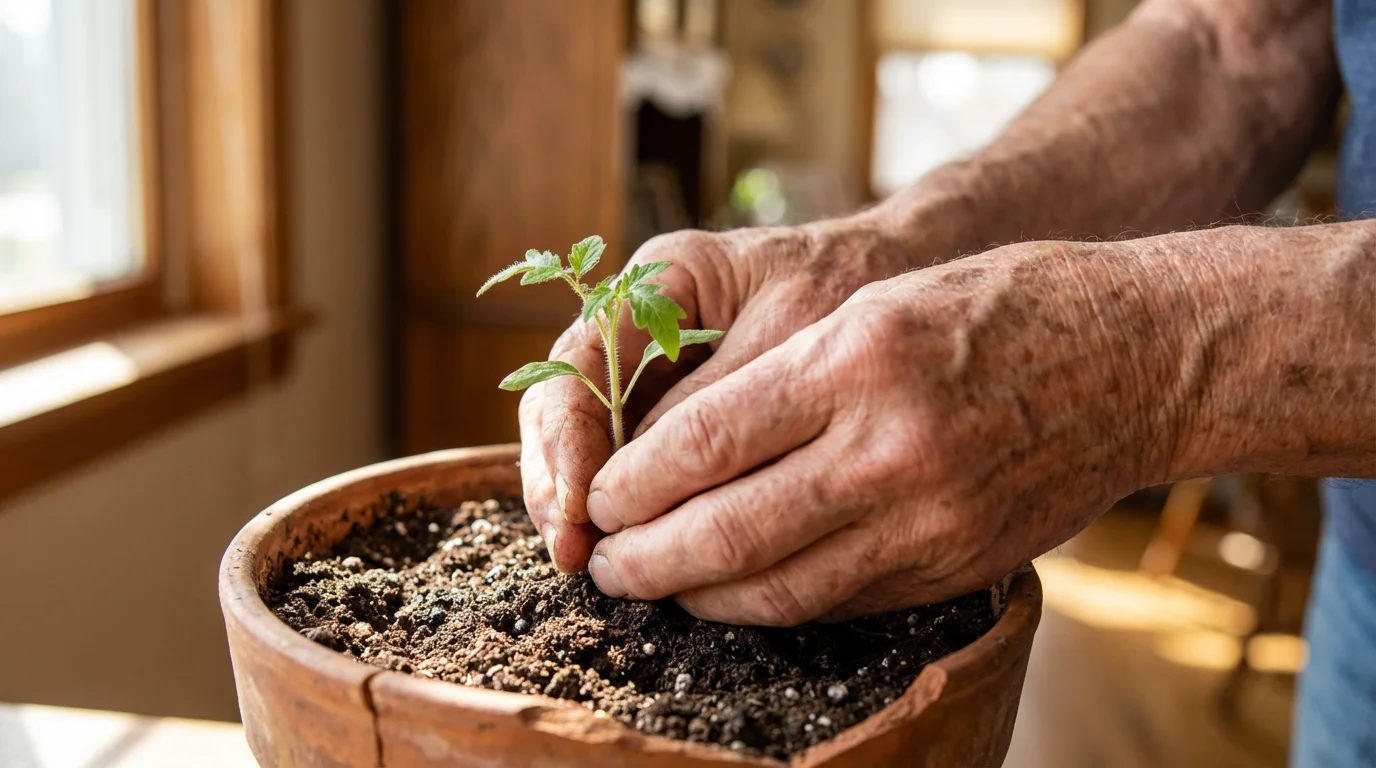
Your physical and mental well-being are intrinsically linked to your ability to connect with others. When you feel good, you possess more energy, confidence, and openness for social engagement. A holistic approach to health actively supports your efforts to combat loneliness and isolation. Neglecting your well-being can create additional barriers to connection.
Focus on nurturing your body and mind with the same care you would offer a cherished friend. Healthy habits contribute significantly to your overall resilience and desire to engage with the world.
Key elements of a well-being plan:
- Regular Physical Activity: Exercise not only boosts mood and energy levels, it also often occurs in social settings. Join a walking group, a senior fitness class, or a gentle yoga session.
- Balanced Nutrition: Eating well provides sustained energy and supports cognitive function. Consider healthy cooking classes or communal meals as social opportunities.
- Sufficient Sleep: Quality sleep improves mental clarity and emotional regulation. Prioritizing rest helps you approach social situations with enthusiasm.
- Mindfulness and Stress Reduction: Practices like meditation or spending time in nature can reduce anxiety and enhance your presence in social interactions.
- Regular Health Check-ups: Staying on top of your physical health ensures that potential barriers to social activity are identified and addressed early.
How can you integrate more self-care into your daily routine? Viewing well-being as a foundation for vibrant living transforms how you engage with your retirement years.

Seeking Support: When Professional Guidance Helps
While many strategies exist to combat loneliness, there are times when these feelings become overwhelming or persistent. Do not hesitate to seek professional support if you find yourself struggling to cope. Recognizing when you need help is a sign of strength and self-awareness.
Professional guidance can provide tools, strategies, and a safe space to process complex emotions. You do not have to navigate these challenges alone. Support is available and accessible.
When to consider professional help:
- Persistent Feelings of Sadness or Hopelessness: If loneliness transitions into prolonged feelings of depression, a mental health professional can offer therapy and support.
- Difficulty Functioning Daily: If loneliness significantly impacts your ability to perform daily tasks or enjoy activities you once loved, seeking help is crucial.
- Lack of Motivation to Connect: If you feel detached or uninterested in social interaction despite knowing its importance, a counselor can help explore underlying causes.
- Navigating Complex Transitions: Grief, loss, or major life changes can amplify loneliness. A grief counselor or therapist can provide specific support during these times.
- Consulting an Aging Life Care Professional: An Aging Life Care Manager, certified by the Aging Life Care Association, can assess your holistic needs, including social, emotional, and practical aspects, and connect you with appropriate local resources and support networks.
Remember, asking for help is an act of self-love and commitment to your own graceful journey. Your well-being is paramount, and a supportive network of professionals exists to assist you.
Frequently Asked Questions
What are the biggest challenges to social connection in retirement?
The biggest challenges often include the loss of workplace social networks, geographic distance from family and friends, the passing of loved ones, and sometimes a decline in physical mobility. These factors reduce spontaneous interaction and require intentional effort to rebuild social circles.
How can I overcome shyness to make new friends in retirement?
Overcoming shyness begins with small steps. Start by attending group activities that align with your interests, where conversation can naturally flow around a shared purpose. Practice initiating brief conversations, such as commenting on an event or asking an open-ended question. Remember, many people feel a degree of shyness, and a genuine smile can often open doors.
Is it normal to feel lonely even if I have family around?
Yes, it is entirely normal. Loneliness is about the quality and depth of connection you desire, not just the quantity of people around you. You might have family nearby, but still miss the specific types of camaraderie or intellectual engagement you experienced in your professional life or with past friends. Seek connections that fulfill those particular needs.
What activities are most effective at reducing isolation?
Activities that involve regular, consistent interaction and shared purpose are most effective. These include volunteering, joining clubs or classes based on a hobby, participating in a faith community, or engaging in senior fitness groups. Activities that require collaboration or ongoing participation naturally foster stronger bonds and reduce feelings of isolation.
How long does it typically take to feel more connected after retirement?
The timeline varies greatly for each individual. Some people adjust quickly, while others may take months or even a year or two to establish new routines and social connections. The key is consistent, proactive effort and patience with yourself during this significant life transition. Celebrate small victories and remain open to new possibilities.
Disclaimer: This article is for informational and inspirational purposes. Life decisions are deeply personal, and we encourage readers to consult with appropriate professionals—whether healthcare providers, counselors, or financial advisors—for guidance specific to their circumstances.









Leave a Reply