
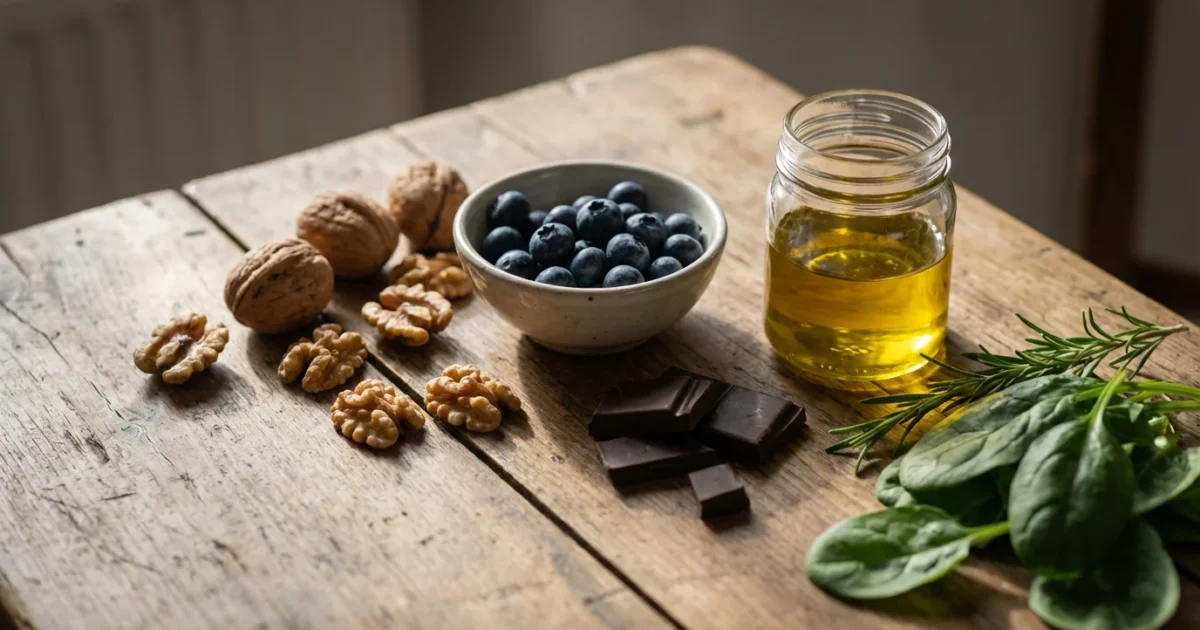
As you navigate the rich tapestry of your golden years, maintaining a sharp, vibrant mind becomes a cornerstone of graceful living. Your diet plays a profound role in this journey, offering a powerful lever to support cognitive function. The foods you choose each day actively nourish your brain, influencing memory, focus, and overall mental clarity.
Embracing intentional nutrition empowers you to support your brain’s health with dignity and purpose. This exploration will guide you through key nutrients and practical strategies, allowing you to make informed choices for a future filled with intellectual vitality. You hold the power to cultivate a landscape of well-being that truly reflects your desire for growth and continued engagement.

The Foundation of Cognitive Vitality
Your brain, an astonishing organ, represents the command center of your being. It continuously works, managing thoughts, emotions, memories, and every bodily function. This incredible activity demands a constant supply of energy and specific nutrients to perform optimally.
Furthermore, maintaining social connections provides the mental stimulation necessary to protect against age-related cognitive decline.
Alongside nutrition, managing stress through deep breathing is an essential practice for maintaining a calm and sharp mind.
Cultivating these habits is a central part of the 7 habits of highly effective agers who thrive throughout their retirement.
Dietary choices directly impact your brain’s ability to create new connections, process information, and protect itself from age-related decline. You can empower your mind to thrive by understanding these fundamental nutritional principles. Consider your plate as a canvas for cognitive excellence.

Essential Macronutrients for Brain Function
Macronutrients, the large-scale components of your diet, provide the energy and building blocks your brain requires. Focusing on the right balance of fats, carbohydrates, and proteins offers a significant boost to your overall brain health. You fuel your mind for sustained performance when you make wise choices in these areas.
Healthy Fats: The Brain’s Preferred Fuel
Your brain is approximately 60% fat, making healthy fats crucial for its structure and function. Omega-3 fatty acids, in particular, stand out as vital components for neuronal membranes and communication. They support memory and learning processes.
Harvard Health notes the importance of omega-3s for cognitive health as you age, recommending sources like fatty fish. These essential fats also possess anti-inflammatory properties, offering protection against brain aging. You invest directly in your cognitive longevity by prioritizing these fats.
- Omega-3s (DHA and EPA): Found abundantly in fatty fish such as salmon, mackerel, and sardines. Algal oil offers a plant-based alternative.
- Monounsaturated Fats: Present in avocados, olive oil, and nuts. These fats support overall cardiovascular health, which directly benefits brain blood flow.
- Polyunsaturated Fats: Seeds like flaxseeds and chia seeds provide another excellent source.
Complex Carbohydrates: Sustained Energy for Thought
Carbohydrates often receive a bad reputation, but the right types offer the brain its primary energy source: glucose. Complex carbohydrates provide a slow, steady release of glucose, preventing energy spikes and crashes that can impair concentration and mood. Simple sugars, on the other hand, lead to rapid fluctuations.
You support stable cognitive function throughout your day by choosing whole grains, fruits, and vegetables. These foods deliver glucose efficiently, helping you maintain mental sharpness.
- Whole Grains: Oats, quinoa, brown rice, and whole-wheat bread offer fiber and a sustained energy supply.
- Fruits: Berries, apples, and oranges provide natural sugars alongside valuable antioxidants and fiber.
- Vegetables: Starchy vegetables like sweet potatoes deliver complex carbohydrates and essential nutrients.
Lean Proteins: Building Blocks for Neurotransmitters
Proteins consist of amino acids, which serve as the raw materials for neurotransmitters. These chemical messengers facilitate communication between brain cells, impacting everything from mood to memory. Adequate protein intake ensures your brain can produce these vital compounds.
You support optimal brain chemistry and function by including lean protein sources in your diet. This helps maintain your cognitive edge.
- Fish and Seafood: Besides omega-3s, fish provides high-quality protein.
- Poultry: Lean chicken and turkey offer excellent protein sources.
- Legumes: Beans, lentils, and chickpeas provide plant-based protein and fiber.
- Eggs: A versatile source of protein and choline, another brain-supporting nutrient.

Micronutrients: The Brain’s Unsung Heroes
While macronutrients provide the bulk of energy, micronutrients act as essential cofactors, catalysts, and protectors within the brain. These vitamins and minerals, though needed in smaller amounts, play indispensable roles in every aspect of cognitive function. You empower your brain’s intricate processes by ensuring a rich intake of these heroes.
Ensuring your body receives these essential elements is a beautiful way of embracing self-care and honoring your health.
Antioxidants: Your Brain’s Shield
The brain is particularly vulnerable to oxidative stress, a process that can damage cells and accelerate aging. Antioxidants combat this damage, neutralizing free radicals and protecting precious brain tissue. Vitamins C, E, and beta-carotene are potent antioxidants.
You help preserve cognitive function and reduce the risk of neurodegenerative conditions by incorporating antioxidant-rich foods. Think of them as your brain’s personal security team.
B Vitamins: Navigating Nerve Health
B vitamins, especially B6, folate (B9), and B12, are crucial for nerve health and the synthesis of neurotransmitters. They also play a role in regulating homocysteine levels, an amino acid linked to cognitive decline when elevated. The National Institute on Aging emphasizes the importance of B12 for older adults.
Maintaining adequate B vitamin levels supports your brain’s communication pathways and overall vitality. You ensure your neural network functions smoothly.
Vitamin K: An Emerging Cognitive Player
Vitamin K is increasingly recognized for its role beyond blood clotting. Research suggests it may influence cognitive function, particularly in memory and learning. It supports the health of brain cells and protects against oxidative stress.
Including sources of Vitamin K contributes another layer of support to your brain’s intricate systems. You add to your brain’s resilience.
Minerals: The Orchestrators of Brain Activity
Minerals like magnesium, zinc, and iron are vital for countless enzymatic reactions within the brain. Magnesium contributes to nerve impulse transmission and memory formation. Zinc is involved in synaptic plasticity, the brain’s ability to adapt and learn. Iron is essential for oxygen transport to the brain.
You ensure the smooth orchestration of brain activity by providing these critical minerals. They act as conductors in your brain’s complex symphony.
Foods that Fuel Your Mind: A Practical Guide
Translating nutritional knowledge into daily meals becomes an inspiring act of self-care. Many delicious and accessible foods offer a powerhouse of brain-boosting nutrients. You can create a vibrant, cognitive-supportive diet by consciously choosing these items.
Practicing mindful eating can help you better appreciate these nutrient-dense options while improving your overall digestive health.
Alongside a nutritious diet, keeping your mind active by learning new technologies helps maintain cognitive flexibility and connection.
Consider how these enriching foods can brighten your plate and sharpen your mind. What small additions can you make this week?
- Berries: Blueberries, strawberries, and raspberries are packed with antioxidants called flavonoids. These compounds improve memory and may slow cognitive decline.
- Leafy Green Vegetables: Spinach, kale, and collard greens are rich in Vitamin K, lutein, folate, and beta-carotene. These nutrients are known to protect against cognitive decline.
- Fatty Fish: Salmon, tuna, trout, and sardines deliver crucial omega-3 fatty acids, particularly DHA. DHA is a major structural component of the brain and crucial for memory.
- Nuts and Seeds: Walnuts, almonds, chia seeds, and flaxseeds provide Vitamin E, healthy fats, and antioxidants. Walnuts, in particular, resemble a brain and are high in omega-3s.
- Whole Grains: Oats, quinoa, and brown rice offer complex carbohydrates for steady energy and fiber, promoting healthy blood flow to the brain.
- Legumes: Beans and lentils supply folate, magnesium, and plant-based protein, supporting neurotransmitter production and overall brain energy.
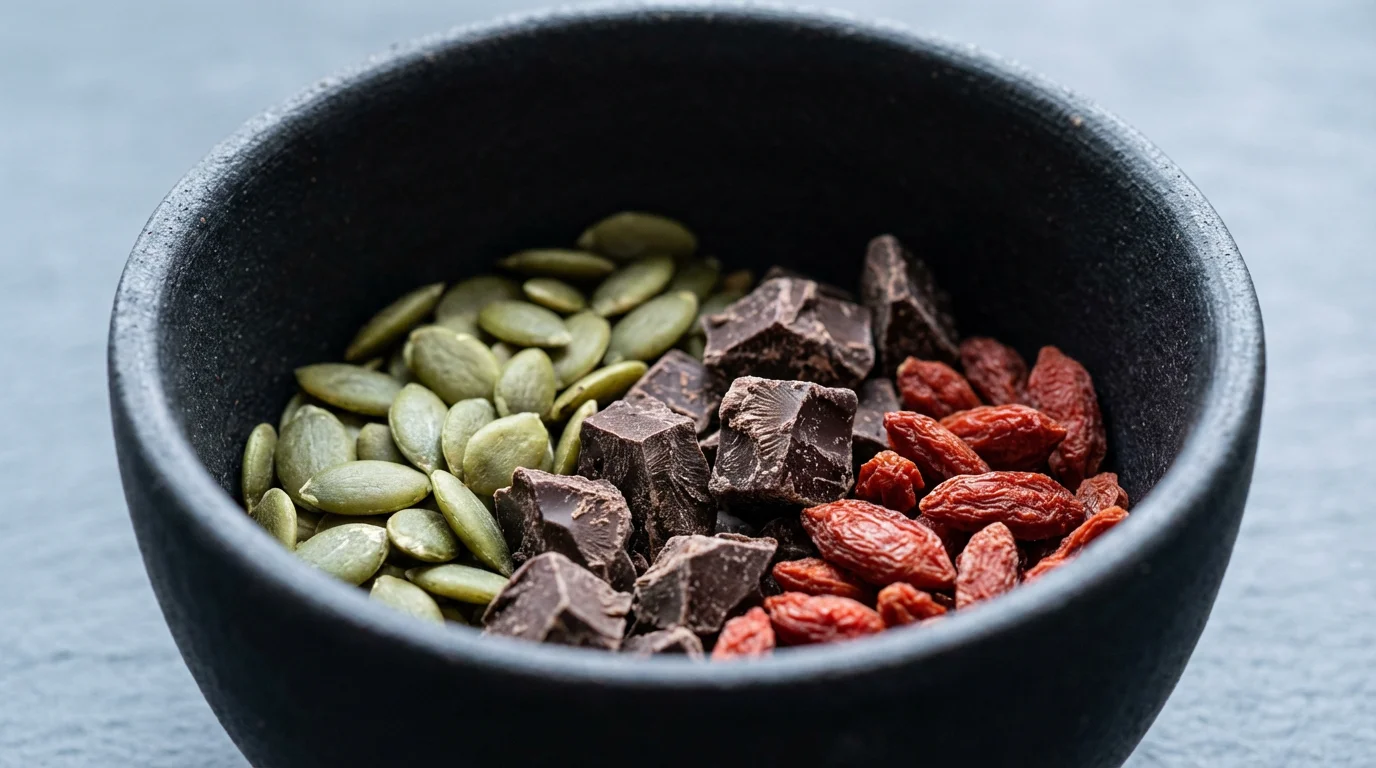
- Dark Chocolate: High-quality dark chocolate (70% cocoa or higher) contains flavonoids and antioxidants. These compounds may improve blood flow to the brain and enhance memory.
- Coffee and Tea: Caffeine in moderation can enhance alertness and concentration. Green tea also provides L-theanine, which can improve focus and relaxation.

Hydration: Often Overlooked, Always Essential
While you focus on nutrients, do not underestimate the simple yet profound power of proper hydration. Water constitutes about 75% of your brain’s volume, making its presence non-negotiable for optimal function. Dehydration, even mild, can significantly impair cognitive processes.
While hydration clears the body, mastering mindful meditation can help clear the mind of daily stressors.
In addition to physical hydration, mental refreshment through laughter therapy can significantly lower the stress that clouds your thinking.
Symptoms like fatigue, difficulty concentrating, and short-term memory problems often stem from insufficient water intake. You empower your brain to think clearly and process information efficiently by staying adequately hydrated. It is a fundamental step toward maintaining a sharp mind.
- Drink throughout the day: Do not wait until you feel thirsty; thirst signals your body is already somewhat dehydrated.
- Keep water accessible: Carry a reusable water bottle or keep a glass of water nearby.
- Infuse your water: Add slices of lemon, cucumber, or berries for flavor without added sugar.
- Consider herbal teas: Unsweetened herbal teas count towards your daily fluid intake.
- Eat water-rich foods: Fruits and vegetables like watermelon, oranges, and lettuce contribute to hydration.

Crafting Your Brain-Healthy Eating Plan
Developing a brain-healthy eating plan involves more than just adding specific foods; it means adopting a holistic dietary pattern. The Mediterranean diet, for example, consistently receives accolades for its cognitive benefits, emphasizing fruits, vegetables, whole grains, healthy fats, and lean proteins. This approach encourages balance and variety.
You foster long-term cognitive resilience by embracing sustainable eating habits. This journey is about nurturing your body and mind with intention and joy.
“Age is an issue of mind over matter. If you don’t mind, it doesn’t matter.”
— Mark Twain
Your approach to nutrition is truly a reflection of this sentiment, demonstrating that you actively engage with your well-being.
Actionable Steps for Your Brain-Healthy Diet:
- Focus on Plant-Based Foods: Prioritize a wide array of colorful fruits and vegetables. They offer a spectrum of vitamins, minerals, and antioxidants. Aim for at least five servings daily.
- Embrace Healthy Fats: Incorporate sources like olive oil, avocados, nuts, and seeds into your daily meals. Include fatty fish a few times a week.
- Choose Whole Grains Over Refined: Opt for oats, quinoa, brown rice, and whole-wheat bread to ensure stable blood sugar and energy.
- Limit Processed Foods and Sugars: Minimize intake of highly processed snacks, sugary drinks, and foods high in saturated and trans fats. These can contribute to inflammation and cognitive decline.
- Practice Mindful Eating: Pay attention to your body’s hunger and fullness cues. Savor your meals, appreciating the flavors and textures. This fosters a healthier relationship with food.
- Consult a Professional: If you have specific dietary concerns or medical conditions, consult a registered dietitian or your healthcare provider. They offer personalized guidance tailored to your unique needs.

Beyond the Plate: A Holistic Approach to Brain Health
While nutrition forms a critical pillar of brain health, it thrives best when integrated into a broader lifestyle that supports overall well-being. Your brain benefits immensely from a multi-faceted approach, encompassing physical, mental, and social engagement. You create a powerful synergy for cognitive vitality by combining these elements.
Consider how each aspect of your daily life contributes to your sharp mind. Are you nurturing all areas equally?
- Engage in Regular Physical Activity: Exercise increases blood flow to the brain, promoting the growth of new brain cells and improving memory. Aim for at least 150 minutes of moderate-intensity activity each week.
- Maintain Mental Stimulation: Keep your mind active with new challenges. Learn a new language, play strategic games, read widely, or take a course. Your brain thrives on novelty and engagement.
- Prioritize Quality Sleep: During sleep, your brain consolidates memories and clears out metabolic waste. Aim for 7-9 hours of restful sleep per night for optimal cognitive function.
- Foster Social Connections: Meaningful social interactions reduce stress and improve cognitive function. Stay connected with friends, family, and community groups.
- Manage Stress Effectively: Chronic stress can negatively impact memory and brain health. Incorporate stress-reduction techniques such as meditation, deep breathing, or spending time in nature.

Embracing a Future of Clarity and Purpose
The journey to a sharper mind is one of empowerment, not resignation. You possess an incredible capacity to influence your brain health through conscious choices, particularly in your diet. Each nutritious meal, each thoughtful snack, represents an investment in your cognitive future. You are actively cultivating a life of continued clarity, purpose, and graceful engagement.
Embrace these insights with the wisdom and intention that define your graceful retirement. You are not simply extending your years, you are enriching them with vibrant mental acuity. What new knowledge will you seek, what new skills will you master, with a mind nourished and thriving? The possibilities are boundless.
Frequently Asked Questions
What foods improve memory in seniors?
Foods rich in omega-3 fatty acids, such as salmon and walnuts, and those high in antioxidants, like berries and leafy greens, are particularly beneficial for memory. Whole grains and legumes provide sustained energy crucial for cognitive function.
How does diet affect brain health?
Your diet provides the brain with essential nutrients for energy production, neurotransmitter synthesis, and cellular protection. A balanced diet reduces inflammation, supports blood flow, and protects against oxidative stress, all crucial for maintaining cognitive function and preventing decline. Poor dietary choices, conversely, can lead to inflammation and impaired brain performance.
Are supplements necessary for boosting brain health?
While a nutrient-rich diet forms the foundation, some individuals, especially seniors, might benefit from certain supplements like B12 or omega-3s if their dietary intake is insufficient or absorption is poor. Always consult your healthcare provider before starting any new supplement regimen to ensure it suits your individual needs.
Can specific nutrients prevent Alzheimer’s disease?
No single nutrient or food can definitively prevent Alzheimer’s disease. However, a diet rich in diverse, whole foods known for their brain-protective properties, like the Mediterranean diet, supports overall brain health and may reduce the risk of cognitive decline. Research continues to explore the complex interplay of diet and neurodegenerative diseases.
Is coffee good or bad for brain health?
Moderate coffee consumption often shows benefits for brain health due to its caffeine and antioxidant content, potentially improving alertness and reducing the risk of cognitive decline. However, excessive intake can lead to jitters or sleep disturbances. Green tea offers similar benefits with a milder caffeine effect and additional beneficial compounds like L-theanine.
Disclaimer: This article is for informational and inspirational purposes. Life decisions are deeply personal, and we encourage readers to consult with appropriate professionals—whether healthcare providers, counselors, or financial advisors—for guidance specific to their circumstances.









Leave a Reply