
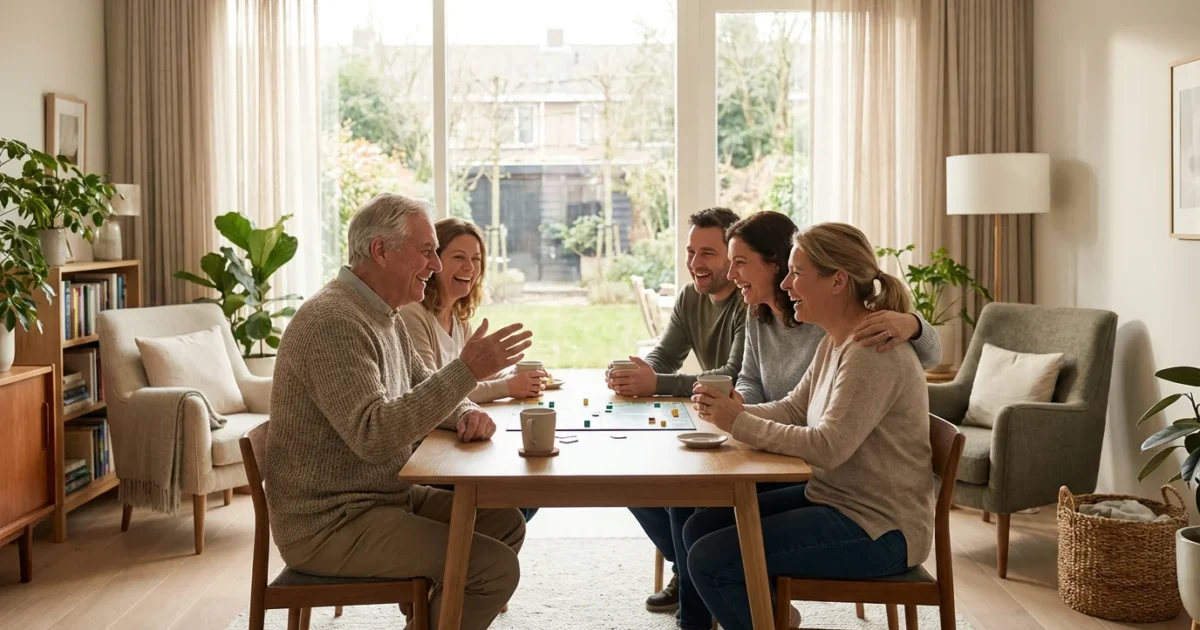
Retirement unfolds as a rich tapestry of newfound freedom, offering abundant opportunities for growth, reflection, and joy. Yet, for some, this significant life transition can quietly usher in feelings of senior loneliness and retirement isolation. It is a common, often unacknowledged, experience that can detract from the vibrant life you envision.
As you transition into this phase, prioritizing your own well-being becomes a vital part of maintaining a balanced and happy lifestyle.
You are not alone if you find yourself navigating these feelings. Many individuals discover that the shift from a busy career to a more unstructured daily life can disrupt established social networks. However, recognizing this challenge marks the first vital step towards overcoming loneliness and cultivating a deeply connected, fulfilling retirement. This article offers practical, actionable strategies to help you forge meaningful connections, ensuring your golden years are truly golden.
Understanding the Nuance of Loneliness in Retirement
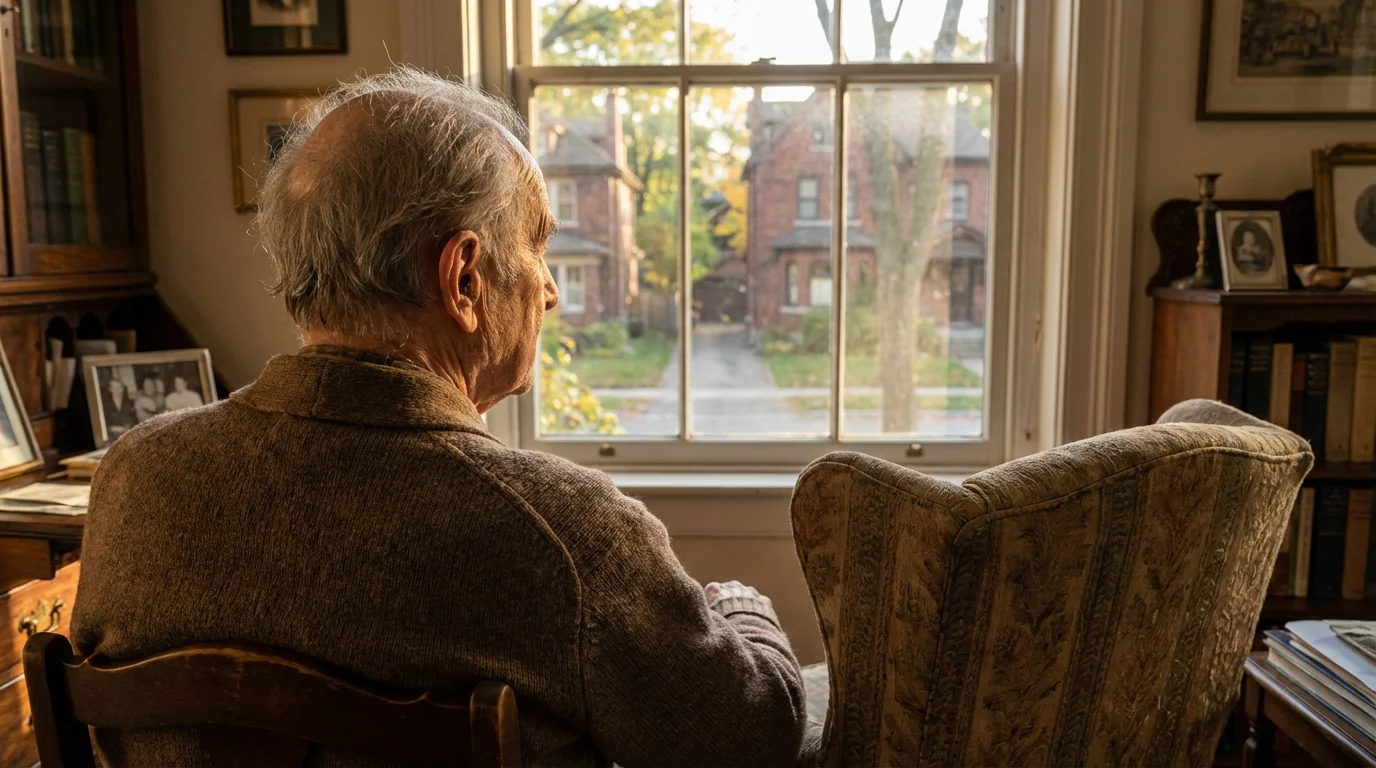
Loneliness is not simply being alone, it is the distressing feeling that arises when your need for social connection is not met. Retirement, while a celebrated milestone, often brings significant life changes that can inadvertently contribute to this feeling. The cessation of daily work interactions, geographic moves, or the loss of a spouse can profoundly alter one’s social landscape.
Visualizing your ideal social life by crafting a retirement vision board can help you define and achieve these connection goals.
Understanding the root causes of retirement isolation empowers you to address them directly. It allows you to distinguish between healthy solitude and the discomfort of unwanted isolation. This awareness forms the foundation for developing robust strategies for meaningful engagement.
Consider these reflective questions:
- What changes in my life circumstances might be contributing to feelings of loneliness?
- Do I miss specific types of interactions, like camaraderie with colleagues or shared experiences with a partner?
- What does genuine connection look like for me at this stage of life?
The Profound Impact of Social Connection
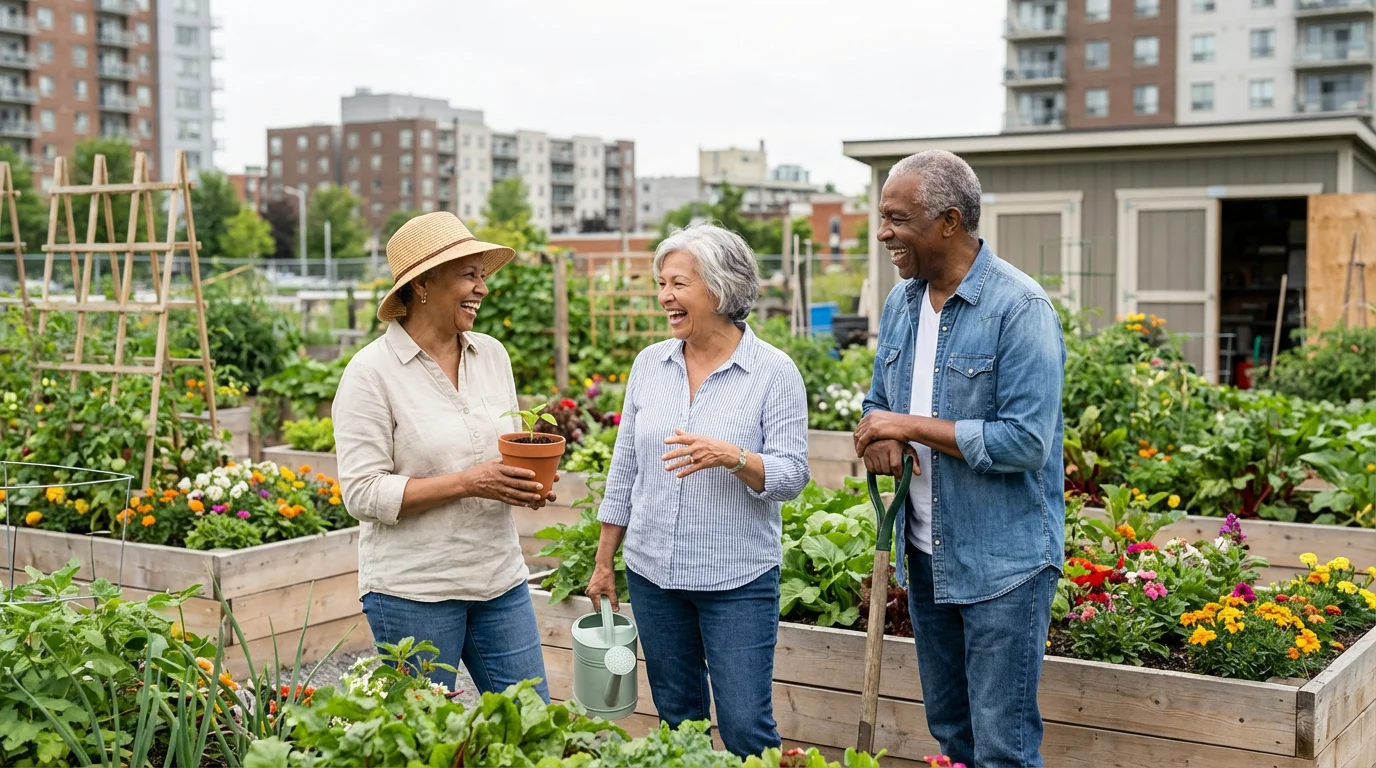
Human beings are inherently social creatures, thriving on connection. Extensive research consistently demonstrates that strong social bonds significantly enhance well-being and longevity. Conversely, chronic loneliness poses considerable risks to both mental and physical health.
Focusing on the positives can also help; cultivating gratitude is often a powerful path to finding happiness during these shifts.
Studies show a clear link between social isolation and increased risks of cognitive decline, heart disease, and depression. A study supported by the National Institute on Aging, for instance, highlights social isolation and loneliness as serious public health risks for older adults. You can actively safeguard your health and happiness by prioritizing social engagement, making it as crucial as diet and exercise.
Age is an issue of mind over matter. If you don’t mind, it doesn’t matter.
— Mark Twain
Rekindling and Nurturing Existing Relationships
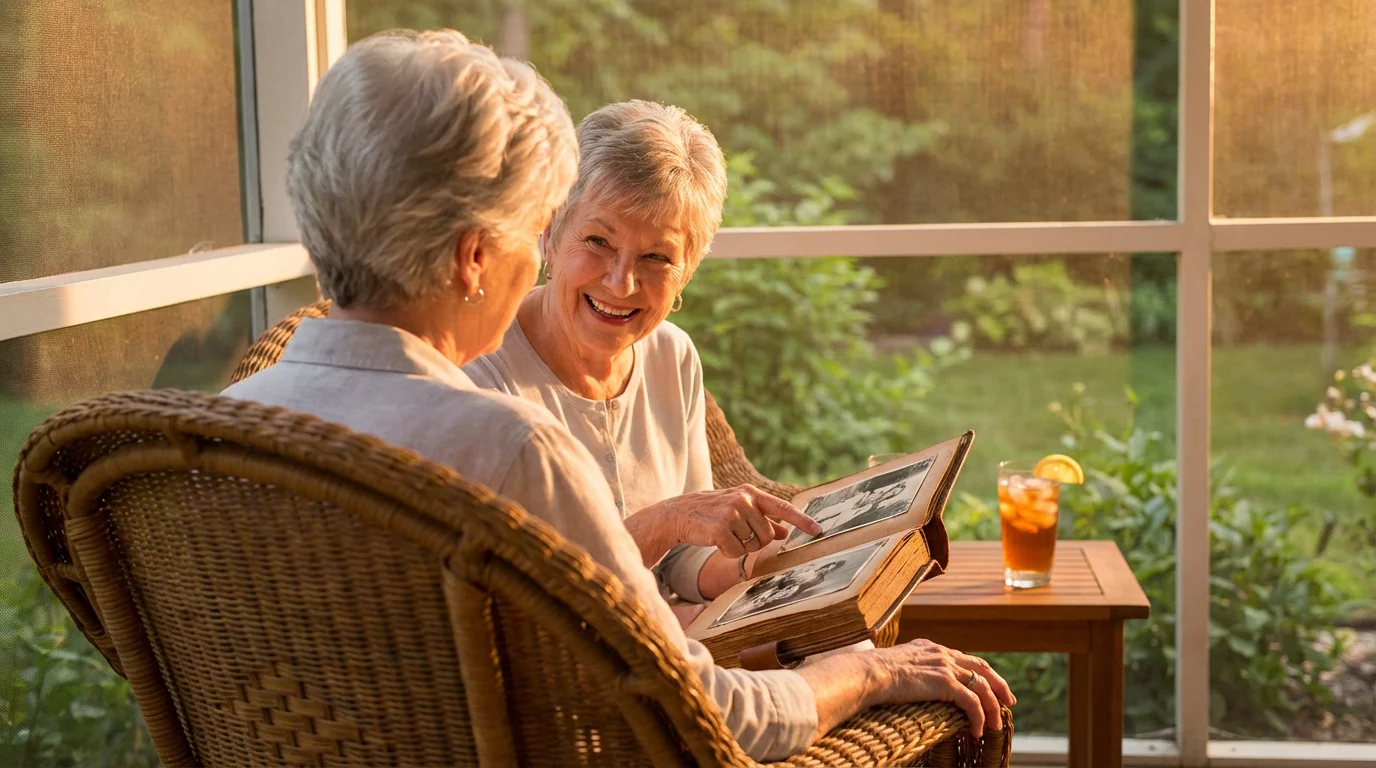
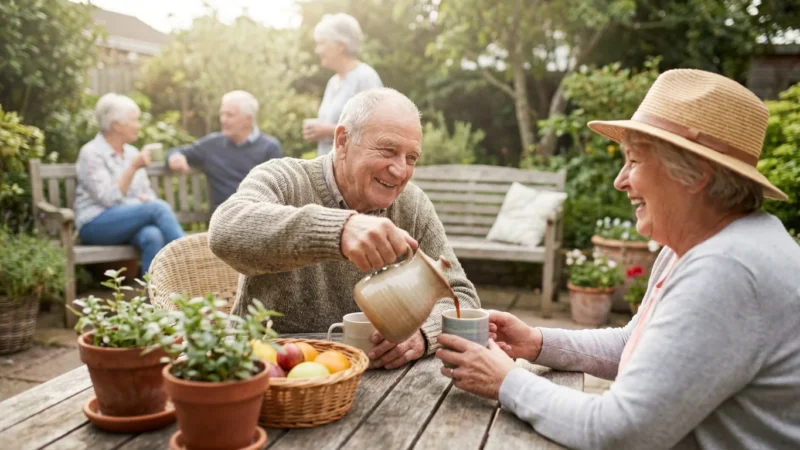
You already possess a valuable network of potential connections in your life. Old friends, distant relatives, and former colleagues often represent untapped reservoirs of companionship. Proactive steps to reconnect can yield surprising and deeply rewarding results.
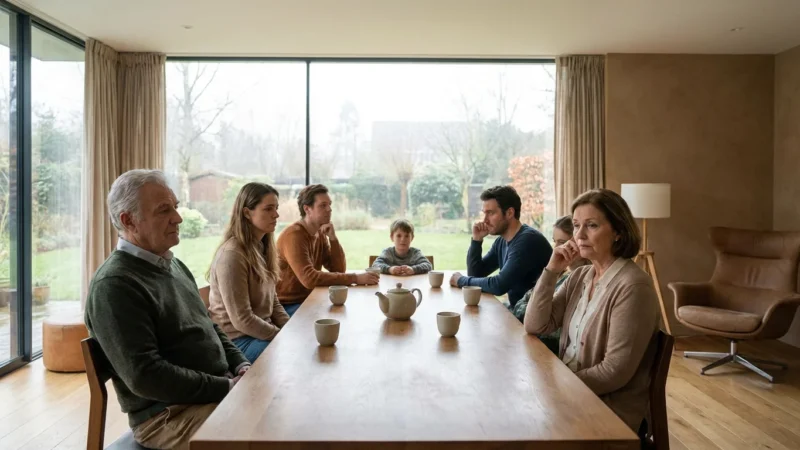
While reconnecting is vital, it is equally important to navigate any difficult family dynamics with patience and care to maintain healthy boundaries.
Think about the people who have brought joy to your life in the past. Even a simple message can open the door to renewed friendship. This effort allows you to bridge gaps that may have formed during busy working years, offering a familiar comfort in new stages of life.
Practical steps to reconnect:
- Reach out intentionally: Send a personalized email, make a phone call, or mail a handwritten card to someone you have not connected with recently.
- Suggest specific activities: Instead of a vague “let’s get together,” propose a coffee date, a walk in the park, or a shared meal.
- Plan regular check-ins: Schedule recurring calls or visits with loved ones. Consistency reinforces bonds and creates anticipation.
- Organize family gatherings: Take the initiative to host or plan family events, bringing generations together and strengthening familial ties.
- Utilize social media thoughtfully: Platforms like Facebook can help you locate old friends and stay updated on their lives, providing opportunities for meaningful re-engagement.
Nurturing these connections requires ongoing effort, but the rewards of shared laughter, understanding, and support are immeasurable. You invest in your own happiness and well-being when you prioritize these relationships.
Forging New Bonds: Expanding Your Social Circle
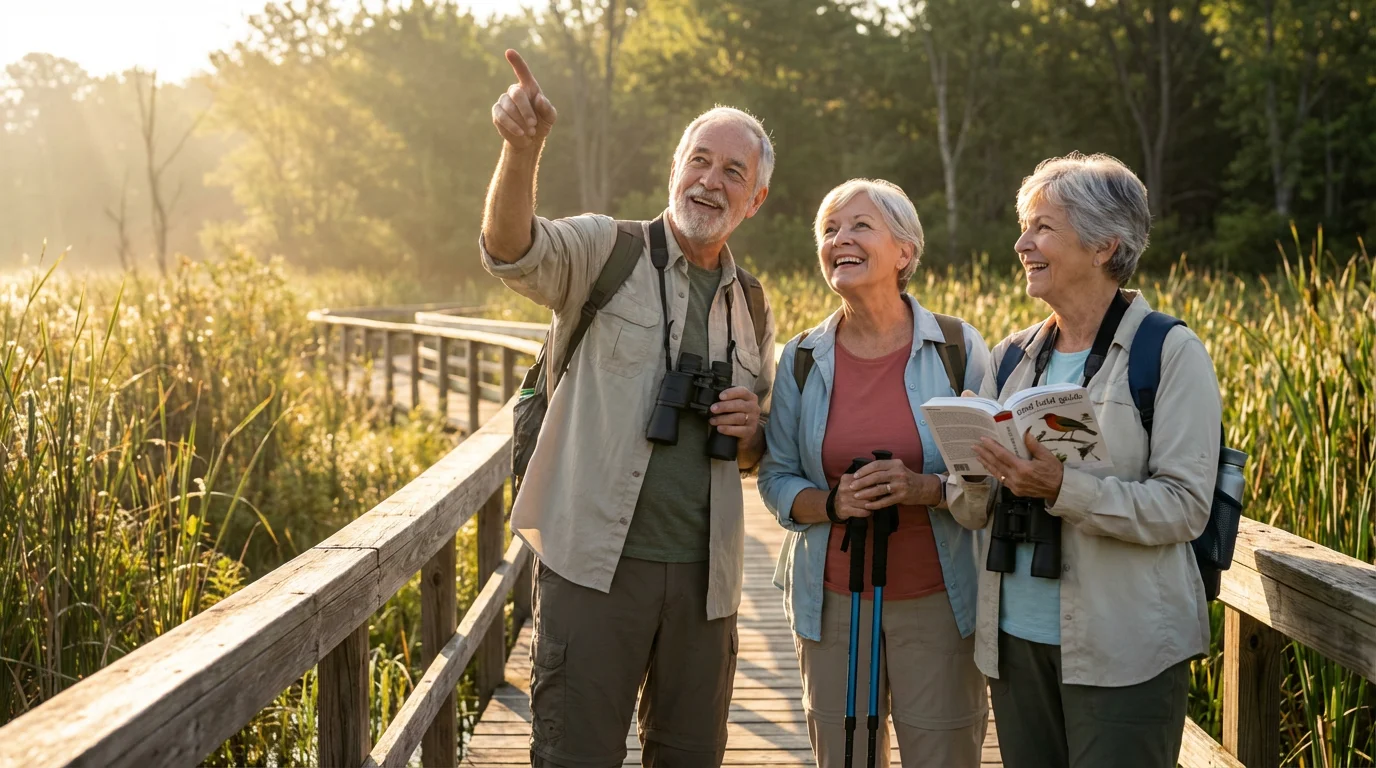
While existing relationships provide comfort, retirement offers a unique opportunity to expand your social horizons and make new friends. Actively seeking out new communities and interests is central to finding connection in retirement and enriching your daily life. This involves stepping outside your comfort zone and embracing new experiences.
Many communities offer a wealth of programs and groups specifically for older adults. These environments are often designed to foster interaction and shared interests. Exploring these avenues can introduce you to like-minded individuals who are also seeking companionship and connection.
Strategies for meeting new people:
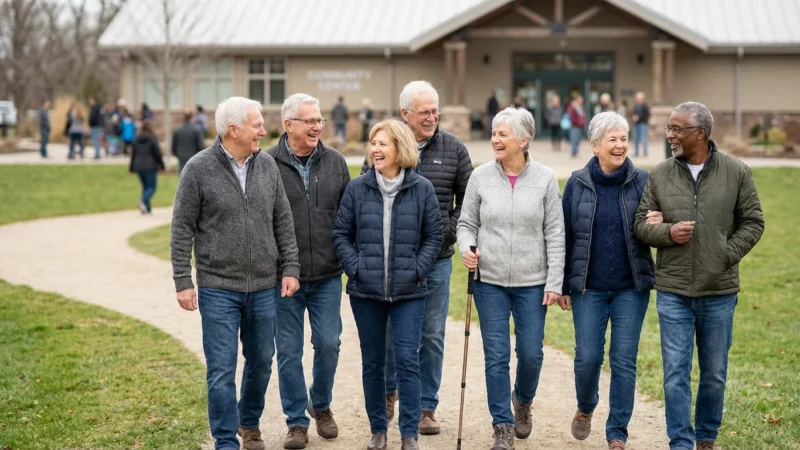
- Explore local community centers and senior groups: These hubs frequently host classes, social events, and interest groups, ranging from bridge clubs to art workshops.
- Join hobby or interest-based clubs: Whether it is a book club, gardening group, hiking club, or photography circle, shared passions create instant common ground and facilitate natural conversations.
- Enroll in continuing education classes: Learning a new language, an instrument, or a historical subject provides intellectual stimulation and introduces you to classmates with similar intellectual curiosity.
- Attend local events and festivals: Engage with your community by attending farmers’ markets, concerts in the park, or local fairs. These informal settings offer easy opportunities for casual conversation.
- Participate in faith-based organizations: If you have a spiritual practice, actively participating in your church, synagogue, mosque, or temple can provide a strong sense of community and shared values.
- Consider joining a gym or fitness class: Group exercise not only benefits your physical health but also provides a regular social outlet and encourages supportive interactions.
- Explore co-housing or intentional communities: For some, living in a community designed for older adults fosters built-in social interaction and mutual support.
Remember, forming new friendships takes time and effort. Be patient with yourself and others, and remain open to diverse personalities and perspectives. Each new connection enriches your life and broadens your understanding of the world.
Purpose as a Pathway to Connection: Volunteering and Engagement
Finding a renewed sense of purpose is a powerful antidote to senior loneliness. Engaging in activities that feel meaningful not only benefits others but also provides a structured way to meet new people and integrate into a community. Volunteering, in particular, offers a double benefit: it contributes to society and naturally fosters social bonds.
Discovering your unique path to purpose and joy can provide the inner motivation needed to stay socially active.
When you commit to a cause, you work alongside others who share your values and dedication. This shared endeavor creates a deep sense of camaraderie and belonging, making it an excellent strategy for how to combat senior loneliness effectively. Organizations like Encore.org celebrate individuals who find new purpose in their later years, highlighting the transformative power of continued engagement.
Ideas for finding purpose and connection:
- Volunteer for a cause you care about: Whether at a local hospital, animal shelter, library, or food bank, your skills and time are invaluable.
- Mentor younger individuals: Share your lifetime of experience and wisdom with students or young professionals. Programs often exist through schools or non-profits.
- Join a community advocacy group: Become involved in local issues that matter to you, such as environmental protection, urban planning, or support for older adults.
- Teach a skill: Offer classes or workshops based on your expertise, whether it is cooking, crafting, or a professional skill.
- Participate in intergenerational programs: Seek out opportunities to interact with younger generations, which can bring fresh perspectives and joy.
- Serve on a local board or committee: Your experience can be incredibly valuable to non-profit organizations or municipal bodies.
Embracing a purposeful role in your community not only enriches your own life but also creates a ripple effect of positive change. It affirms your continued relevance and capacity for contribution, fostering a profound sense of self-worth and belonging.

Leveraging Technology to Bridge Distances
In our increasingly connected world, technology offers a remarkable suite of tools to combat isolation, particularly for those with mobility challenges or geographical constraints. While it is not a complete replacement for in-person interaction, digital platforms can effectively bridge distances and create new avenues for connection. You can maintain existing relationships and even form new ones through the thoughtful use of technology.
Many older adults have embraced digital literacy, finding joy and connection online. The key lies in selecting platforms and activities that align with your comfort level and interests. Do not let initial apprehension deter you, the benefits of digital connection are substantial.
Ways technology can help you connect:
- Video calls: Platforms like Zoom, FaceTime, or Skype allow you to see and talk to loved ones, offering a richer interaction than a phone call alone.
- Social media: Sites like Facebook or Instagram can help you stay connected with family and friends, share life updates, and participate in groups focused on your interests.
- Online communities and forums: Explore forums dedicated to hobbies, specific health conditions, or retirement living. These can provide a sense of belonging and shared understanding.
- Online classes and webinars: Continue learning and connect with instructors and fellow students through virtual educational platforms.
- Gaming: For those who enjoy it, online gaming can be a surprisingly social activity, fostering camaraderie and competition with players worldwide.
- Messaging apps: WhatsApp or similar apps facilitate easy, quick communication with groups of friends or family, sharing photos and messages effortlessly.
Embrace the digital world as another tool in your arsenal for overcoming loneliness. Learn at your own pace, perhaps with the help of a family member or a community center class. The digital landscape holds vast potential for maintaining and building connections.
Cultivating a Rich Inner Life: Self-Care and Growth
While external connections are vital, developing a rich and fulfilling inner life is equally important for holistic well-being and how to combat senior loneliness. A strong sense of self, cultivated through hobbies, personal growth, and self-care, makes you a more confident and engaging individual, better equipped to connect with others.
Retirement provides an unparalleled opportunity to delve into long-held interests or discover entirely new passions. These activities do not just fill time, they nourish your spirit, provide a sense of accomplishment, and offer topics for discussion when you connect with others.
Strategies for enriching your inner life:
- Pursue a passion project: Dedicate time to a creative pursuit like writing, painting, music, or crafting. The process itself is rewarding.
- Engage in lifelong learning: Read widely, watch documentaries, take online courses, or visit museums. Keep your mind active and curious.
- Practice mindfulness and meditation: These practices can reduce stress, increase self-awareness, and foster a deeper connection with yourself.
- Spend time in nature: Gardening, walking in a park, or simply sitting outdoors can be incredibly restorative and provide a sense of peace.
- Journaling: Reflect on your thoughts, feelings, and experiences. This can provide clarity and a deeper understanding of your emotional landscape.
- Prioritize physical activity: Regular exercise boosts mood, energy levels, and overall health, contributing to a more positive outlook.
Nourishing your inner world creates a strong foundation from which to engage with the external world. You become more resilient, more joyful, and ultimately, more attractive to new friendships and connections. This self-cultivation is a continuous journey, promising fulfillment at every turn.

When to Seek Additional Support
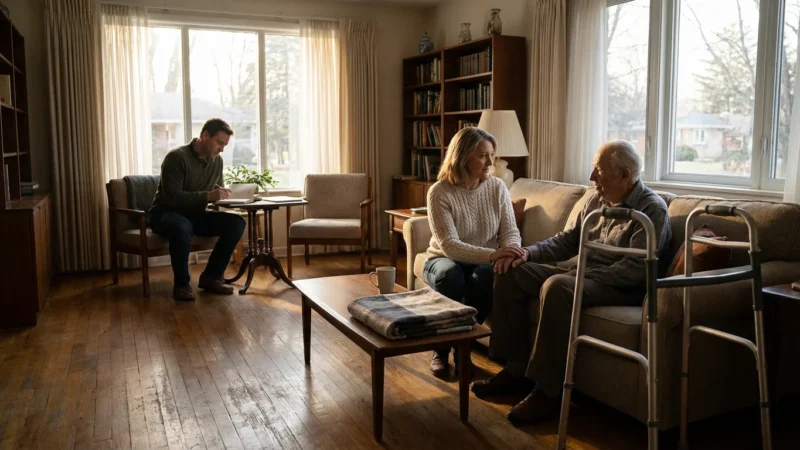
Despite your best efforts to employ these strategies, feelings of loneliness or isolation may persist or deepen into something more concerning. It is crucial to recognize when professional support can offer valuable assistance. Seeking help is a sign of strength and self-awareness, not weakness. You deserve to feel connected and vibrant, and resources exist to help you achieve that.
Persistent feelings of sadness, lack of energy, or disinterest in activities you once enjoyed could indicate depression, which often co-occurs with loneliness. Do not hesitate to reach out to a healthcare professional or mental health specialist if you experience these symptoms. Organizations like the Administration for Community Living also provide resources and services designed to support the well-being of older adults, including mental health services.
Consider seeking support if:
- Your feelings of loneliness are overwhelming and persistent, lasting for several weeks or months.
- You experience a loss of interest or pleasure in activities you usually enjoy.
- You have difficulty sleeping, changes in appetite, or low energy levels.
- You find yourself withdrawing from opportunities for social interaction, even when they are available.
- The strategies outlined here feel too difficult to implement on your own.
A therapist or counselor can provide tools for coping, help you explore underlying issues, and guide you towards building stronger social connections. Your doctor can also assess your overall health and refer you to appropriate specialists or support groups. Remember, prioritizing your mental and emotional health is a vital component of graceful living.
Frequently Asked Questions
What is the difference between solitude and loneliness?
Solitude is a chosen state of being alone, often enjoyed for reflection, creativity, or rest. It is a positive experience. Loneliness, by contrast, is an unwelcome and distressing emotional state that arises from a perceived lack of social connection, regardless of whether one is physically alone or surrounded by people. It signifies a desire for more or deeper social interaction.
Can chronic loneliness impact my physical health?
Yes, extensive research indicates that chronic loneliness and social isolation can significantly impact physical health. It is associated with an increased risk of heart disease, stroke, high blood pressure, weakened immune system function, and cognitive decline. Prioritizing social connection is therefore a crucial aspect of overall health and well-being.
How long does it typically take to overcome loneliness in retirement?
The timeline for overcoming loneliness varies greatly for each individual. It depends on factors such as the duration and intensity of the feelings, the proactive steps taken, and individual personality. It is a process that requires consistent effort, patience, and a willingness to explore new avenues for connection. Starting with small, manageable steps and celebrating incremental progress is key.
Are there specific types of activities that are most effective for finding connection?
The most effective activities are those that align with your personal interests and values, as genuine engagement fosters more natural connections. Activities that involve shared goals, regular interaction, and opportunities for conversation are generally most successful. Examples include volunteering, joining clubs, taking classes, or participating in group fitness. The consistency of engagement is often more important than the specific activity itself.
What if I am an introvert? Do these strategies still apply?
Absolutely. While introverts may prefer smaller groups and less frequent social interaction than extroverts, the need for meaningful connection remains. The strategies still apply, but you might tailor them to your comfort level. For example, choose a book club over a large party, or engage in deep, one-on-one conversations rather than group chatter. Focus on quality over quantity in your social interactions, finding connections that feel authentic and energizing to you.
In retirement, you possess the wisdom, experience, and time to cultivate a life rich in meaning and connection. While retirement isolation and senior loneliness can present challenges, they are not insurmountable. By actively embracing strategies for nurturing existing relationships, forging new bonds, pursuing purpose, and utilizing technology, you can build a vibrant social life that supports your well-being. Your journey into these golden years is an opportunity for profound growth, connection, and grace.
Disclaimer: This article is for informational and inspirational purposes. Life decisions are deeply personal, and we encourage readers to consult with appropriate professionals—whether healthcare providers, counselors, or financial advisors—for guidance specific to their circumstances.




Leave a Reply