
Aging is not a passive process. It is an active journey, a vibrant opportunity to shape your later years with intention and grace. You possess the power to define this chapter, turning it into a time of profound growth, renewed purpose, and deep fulfillment. Just as you built your career or nurtured your family, you can cultivate specific habits that lead to a life well-lived in your golden years.
Successful aging transcends mere longevity. It embraces vitality, connection, and a positive mindset. It involves a conscious commitment to daily practices that enrich your spirit, sharpen your mind, and strengthen your body. You do not just accumulate years, you accumulate wisdom, experiences, and opportunities to thrive. This article explores seven foundational habits, offering practical insights to help you embrace your age with unparalleled effectiveness.
Embrace a Growth Mindset
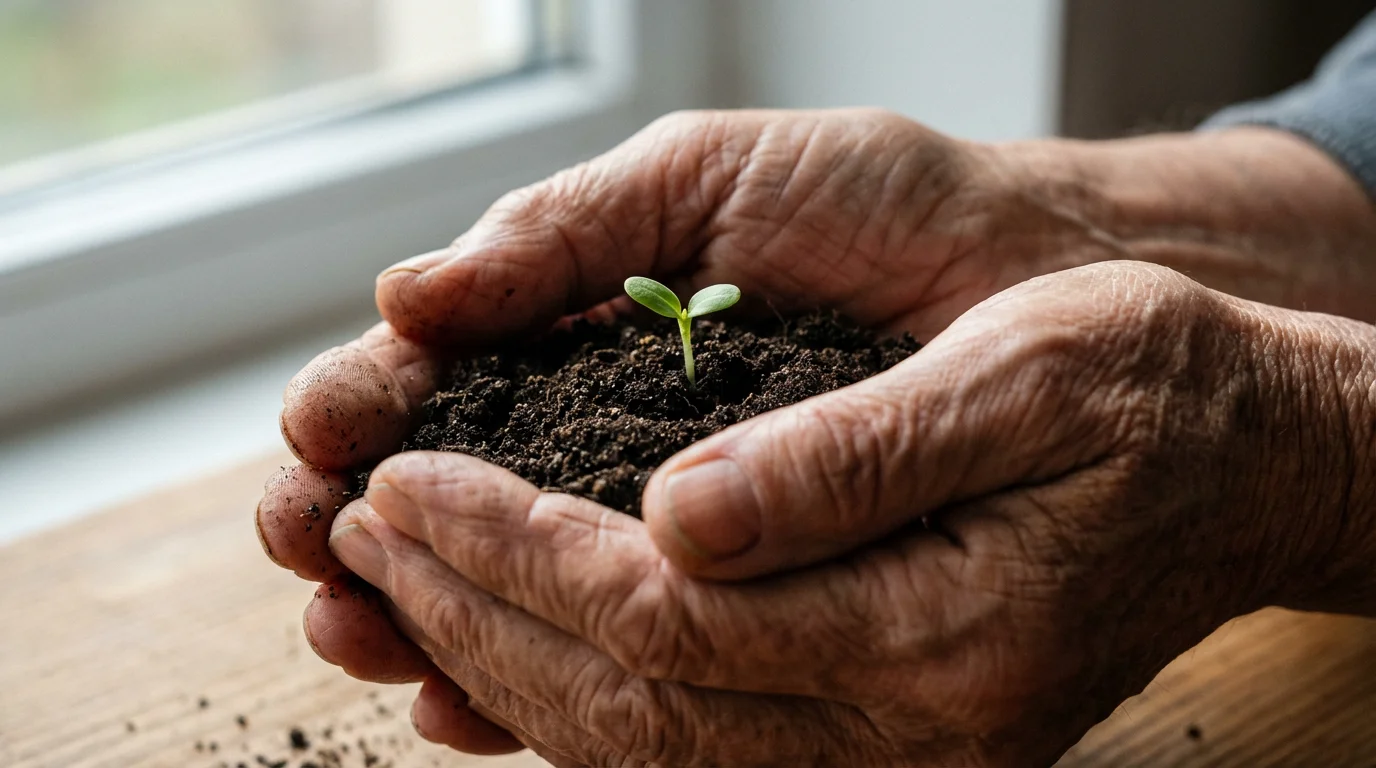
The belief that your abilities and intelligence can grow through dedication and hard work forms the cornerstone of effective aging. Instead of viewing age as a barrier, you see it as a catalyst for new possibilities. This positive mindset empowers you to tackle challenges, learn from experiences, and continually evolve. It shifts your perspective from what you might lose to what you can still gain.
Adopting this perspective often opens the door to reinventing yourself in retirement as you explore hidden talents and set new, vibrant goals.
A growth mindset directly impacts your resilience and overall satisfaction. Research consistently shows individuals who believe they can improve are more likely to pursue new interests and maintain higher levels of cognitive function. You actively seek opportunities for personal development, refusing to be limited by preconceived notions of what aging entails. This proactive approach sets the stage for a fulfilling retirement.
Here are practical ways to cultivate a growth mindset:
- Challenge assumptions: Question societal narratives about aging. Recognize your unique capabilities and potential.
- Seek novelty: Try new hobbies, visit unfamiliar places, or engage with different types of people. Novelty stimulates your brain and keeps your perspective fresh.
- View setbacks as learning opportunities: Reframe difficulties as chances to gain wisdom and develop new strategies, rather than as failures.
- Reflect on progress: Regularly acknowledge your personal growth, no matter how small. This reinforces your capacity for change.
What new skill have you always wanted to learn, but put off? Consider starting it this week. Your brain’s plasticity remains remarkable throughout life, waiting for you to engage it with curiosity and determination.

Cultivate Meaningful Connections
Humans are inherently social beings, and the quality of your relationships profoundly influences your happiness and longevity. As you age, prioritizing and nurturing meaningful connections becomes even more vital. Strong social ties offer emotional support, reduce feelings of isolation, and can even contribute to better physical health outcomes. You actively invest in the people who enrich your life.
Connecting with others extends beyond just family. It encompasses friends, community groups, and new acquaintances who share your interests. Social engagement keeps your mind sharp and your spirit buoyant. It provides a sense of belonging and purpose, reinforcing your value within a broader network. The benefits of a robust social life are well-documented, showing a clear link between connection and graceful, happy aging.
Consider these actions to strengthen your social network:
- Schedule regular connection time: Make calls, video chats, or in-person visits a consistent part of your routine with loved ones.
- Join a club or group: Explore local community centers, senior organizations, or online forums dedicated to your hobbies. This provides ready-made opportunities for shared interests.
- Volunteer: Dedicate your time to a cause you care about. This not only benefits others but also introduces you to like-minded individuals. Organizations like Encore.org highlight the power of purpose-driven engagement in later life, connecting experience with community needs.
- Reignite old friendships: Reach out to friends you have lost touch with. A simple message can often revive a cherished connection.
Think about the people who truly uplift you. How can you be more present and intentional in those relationships? Your social bonds are a powerful resource for successful aging.

Nourish Your Body and Mind
Your physical and mental well-being are inextricably linked, forming the foundation for an energetic and purposeful retirement. Effective agers understand the importance of holistic self-care. They commit to habits that support physical vitality, cognitive sharpness, and emotional balance. You actively manage your health, rather than react to ailments.
Incorporating lightheartedness through laughter therapy can also be a wonderful way to boost your immune system and overall mood.
Consistent physical activity, a balanced diet, adequate sleep, and mental stimulation are not luxuries, they are necessities for graceful aging. Engaging your body helps maintain mobility, strength, and cardiovascular health, while challenging your mind protects cognitive function. A study published by Harvard Health Publishing emphasizes how lifestyle choices directly impact brain health and overall longevity. You proactively choose practices that sustain your health and independence.
Integrate these healthy habits into your daily life:
- Engage in regular physical activity: Aim for a mix of aerobic exercise, strength training, and flexibility work. This could be brisk walking, swimming, yoga, or dancing.
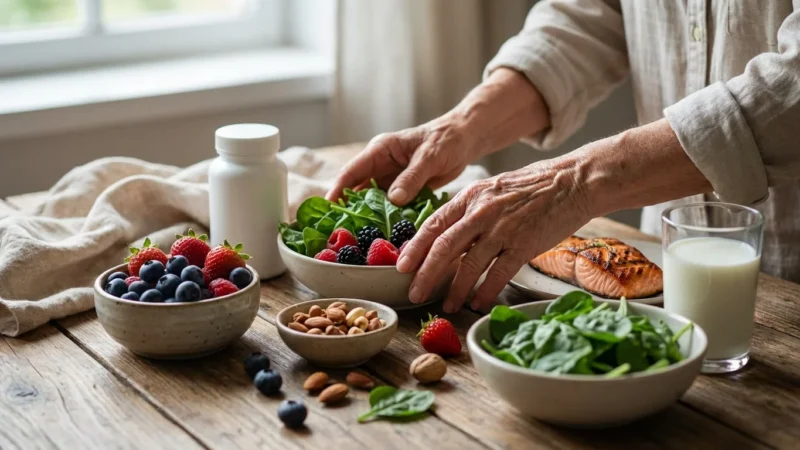
- Prioritize nutrient-rich foods: Focus on whole foods, plenty of fruits, vegetables, lean proteins, and healthy fats. Hydration is also key.
- Ensure restorative sleep: Establish a consistent sleep schedule and create a calming bedtime routine. Aim for 7-9 hours per night.
- Challenge your brain: Engage in mentally stimulating activities like reading, puzzles, learning a new language, or playing strategy games.
What small, consistent change can you make today to better nourish your body and mind? Remember, even minor adjustments compound over time, leading to significant improvements in your overall well-being. Your commitment to these daily habits is a profound investment in your future self.
Find Your Purpose and Passion
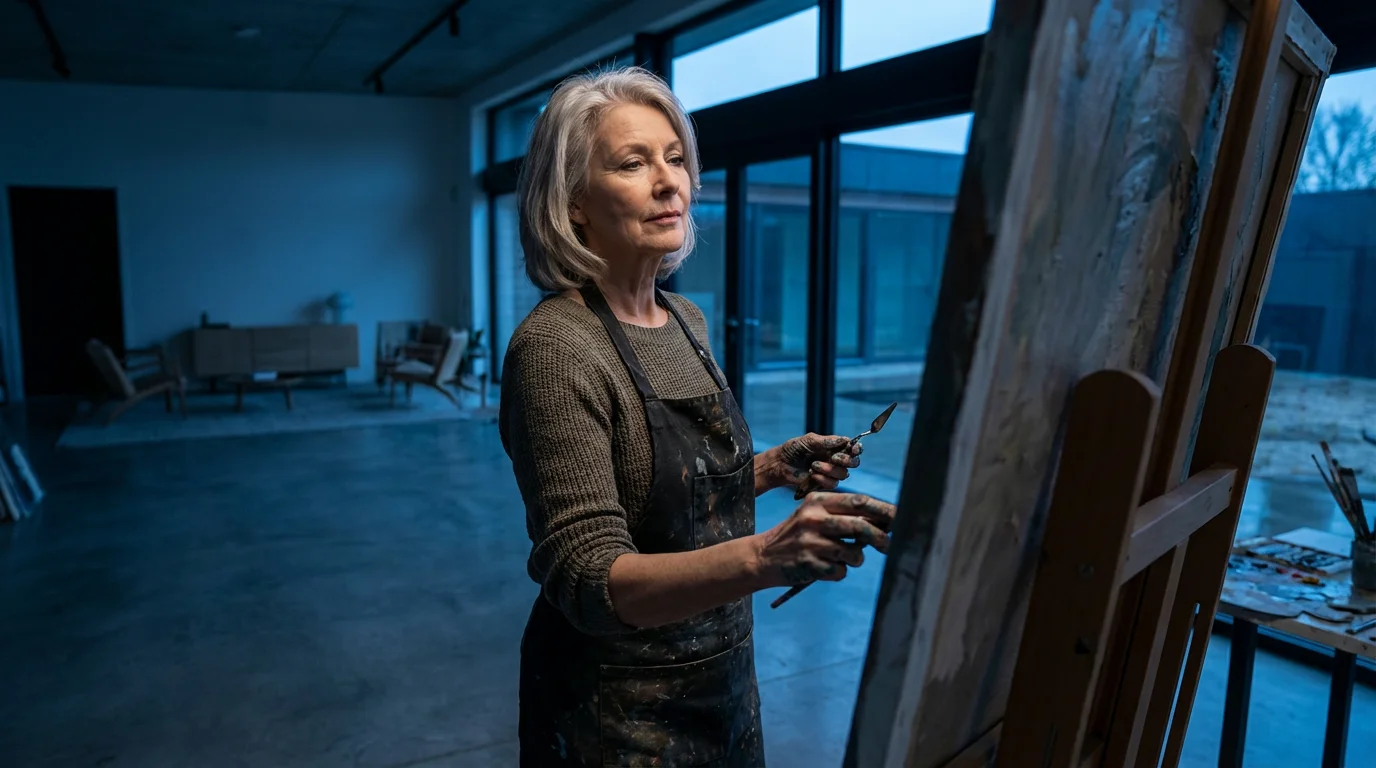
A sense of purpose provides direction, meaning, and motivation in life, regardless of age. For many, retirement marks a transition from a career-defined identity, creating an opportunity to redefine what drives them. Highly effective agers actively seek and cultivate new passions or revisit old ones, ensuring their days are filled with meaningful pursuits. You do not retire from life, you retire into a new phase of purpose.
Many retirees discover that the Japanese concept of finding your Ikigai provides an elegant framework for aligning their lifelong skills with what they truly love.
Having a strong sense of purpose correlates with increased well-being, improved health outcomes, and a greater sense of satisfaction. It offers a framework for your daily activities and provides a reason to stay engaged with the world. Whether it is mentoring, creating art, advocating for a cause, or mastering a new skill, purpose fuels your spirit. The Purpose Prize, an initiative of Encore.org, celebrates individuals over 50 who are making significant societal impact, demonstrating how purpose blossoms in later life.
To uncover or strengthen your sense of purpose:
- Reflect on your values: What truly matters to you? What kind of impact do you wish to make?
- Explore new avenues: Consider volunteering, starting a part-time venture, or dedicating time to a creative project.
- Mentor others: Share your lifetime of experience and wisdom with younger generations. Your insights are invaluable.
- Identify causes you care about: Find an organization or movement that resonates with your beliefs and contribute your time or skills.
What lights you up? What problems do you feel compelled to solve, or what beauty do you wish to create? Engaging with these questions can lead you toward a deeply fulfilling and purposeful existence.

Practice Mindfulness and Gratitude
The ability to be fully present and to appreciate the good in your life are powerful tools for graceful aging. Mindfulness involves paying attention to the present moment without judgment, reducing stress and increasing emotional regulation. Gratitude cultivates a positive outlook, shifting your focus toward abundance rather than deficit. You actively choose to perceive life through a lens of appreciation.
To deepen this sense of calm, many find that mastering mindful meditation provides the mental clarity needed for a peaceful retirement.
Integrating mindfulness and gratitude into your daily routine significantly enhances your overall well-being. It reduces anxiety, improves mood, and fosters greater emotional resilience. When you practice these habits, you become more attuned to the simple joys of everyday life and better equipped to navigate challenges. Your capacity for contentment expands, regardless of external circumstances.
“Age is an issue of mind over matter. If you don’t mind, it doesn’t matter.”
Mark Twain’s timeless observation rings true for those who master their internal landscape. Your perspective on aging shapes your experience of it.
Incorporate mindfulness and gratitude with these simple practices:
- Start a gratitude journal: Each day, write down three to five things you are genuinely grateful for.
- Practice mindful breathing: Take a few moments each day to focus on your breath, observing its rhythm and sensation.
- Engage in mindful activities: Whether it is drinking your morning coffee or taking a walk, fully immerse yourself in the experience, noticing sights, sounds, and sensations.
- Express appreciation: Regularly thank those around you. Verbalizing gratitude strengthens both your feelings and your relationships.
How often do you pause to simply be, and to truly appreciate what you have? These practices are not complex, yet they offer profound benefits for your inner peace and joy. They are cornerstones of a positive mindset.

Engage in Lifelong Learning
The human brain thrives on stimulation. Highly effective agers recognize that learning is not confined to formal education or career development. It is a continuous, enriching process that keeps your mind vibrant and adaptable. You remain curious about the world and committed to expanding your knowledge and skills throughout your life. This habit is fundamental to successful aging.
Lifelong learning keeps your cognitive functions sharp, enhances your problem-solving abilities, and opens new avenues for personal fulfillment. Whether you are delving into history, mastering a new language, understanding technology, or exploring a complex hobby, the act of learning invigorates your brain. The National Institute on Aging consistently highlights the importance of intellectual engagement in maintaining cognitive health as you age. You actively invest in your mental agility.
Ways to embrace lifelong learning:
- Enroll in courses: Many universities and community colleges offer programs specifically for older adults, often at reduced rates. Online platforms also provide a wealth of learning opportunities.
- Read widely: Explore diverse genres, non-fiction topics, and authors. Reading keeps your vocabulary rich and your imagination active.
- Learn a new skill: Pick up a musical instrument, try coding, or learn to knit. The process of acquiring a new skill creates new neural pathways.
- Stay current with technology: Understand how to use new devices, apps, and online tools. This keeps you connected and empowered in a rapidly changing world.
What topic has always fascinated you, but you never had the time to explore? Now is your chance. Dedicate even a small amount of time each week to intellectual pursuits. This commitment to ongoing discovery is a hallmark of truly effective agers.

Embrace Adaptability and Resilience
Life, particularly in later years, presents its share of changes and challenges. Highly effective agers do not resist these shifts, they embrace adaptability and cultivate resilience. They possess the mental flexibility to adjust to new circumstances, whether they involve health, family, finances, or technology. You meet change with grace and setbacks with strength.
Resilience is your ability to bounce back from adversity. It involves a positive outlook, strong coping mechanisms, and the capacity to find meaning even in difficult situations. Adaptability allows you to reframe problems, seek creative solutions, and maintain a sense of control amidst uncertainty. These qualities are crucial for navigating the evolving landscape of aging gracefully and happily.
Here are strategies to enhance your adaptability and resilience:
- Practice flexible thinking: When faced with a new situation, consider multiple perspectives and potential solutions rather than fixating on one approach.
- Develop problem-solving skills: Break down challenges into smaller, manageable steps. Focus on what you can control.
- Build a support system: Rely on friends, family, or professional advisors during difficult times. Knowing you have people to lean on strengthens your ability to cope.
- Cultivate optimism: Consciously focus on positive aspects and possibilities, even when circumstances are challenging. Your attitude profoundly shapes your experience.
When unexpected changes arise, how do you typically respond? Learning to flow with life’s currents, rather than fighting against them, leads to a more peaceful and fulfilling journey. Your capacity for resilience grows with each challenge you successfully navigate.

The Ripple Effect of Intentional Living
These seven habits are not isolated practices. They are interconnected threads that weave together a rich tapestry of intentional living. When you commit to a growth mindset, cultivate meaningful connections, nourish your body and mind, find your purpose, practice mindfulness, engage in lifelong learning, and embrace adaptability, you create a powerful ripple effect. Each habit reinforces the others, leading to a synergistic increase in your overall well-being.
Your journey into the golden years is a unique opportunity to live with profound intention. You possess the wisdom of experience, the freedom of new possibilities, and the power to shape your days. Embrace these habits not as obligations, but as pathways to a vibrant, purposeful, and graceful life. Your active engagement in these practices will define your later years, making them truly the best years of your life.
What one habit will you commit to deepening today? Your future self will thank you for the intentional choices you make now.
Frequently Asked Questions
What are the most important daily habits for successful aging?
The most important daily habits for successful aging include a combination of physical and mental engagement. Regular physical activity, a balanced diet, consistent mental stimulation through learning, and nurturing social connections are paramount. These healthy habits contribute significantly to both longevity and quality of life, forming the core of a positive mindset as you navigate your later years.
How can I develop a more positive mindset about aging?
Developing a positive mindset about aging involves actively challenging negative stereotypes and focusing on the opportunities that come with experience and wisdom. Practice gratitude daily, engage in lifelong learning to keep your mind sharp, and surround yourself with positive influences. Embrace a growth mindset, believing in your continued capacity for development and new experiences, which helps you age gracefully and happily.
Is it ever too late to start new healthy habits?
It is never too late to start new healthy habits. Research consistently shows that adopting positive lifestyle changes at any age can yield significant health benefits, both physical and mental. Even small, consistent changes, such as starting a walking routine, learning a new skill, or engaging more with your community, can profoundly impact your well-being and contribute to successful aging. Your commitment to “what are the best daily habits?” can begin today.
How do relationships impact aging gracefully?
Meaningful relationships are a cornerstone of aging gracefully and happily. Strong social connections provide emotional support, reduce feelings of isolation, and can even improve physical health outcomes and cognitive function. Nurturing bonds with family, friends, and community members offers a sense of belonging and purpose, acting as a buffer against stress and enriching your overall life experience.
Disclaimer: This article is for informational and inspirational purposes. Life decisions are deeply personal, and we encourage readers to consult with appropriate professionals—whether healthcare providers, counselors, or financial advisors—for guidance specific to their circumstances.







Leave a Reply